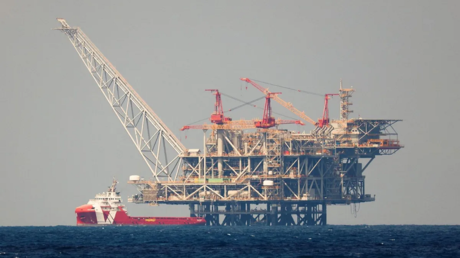
Egyptian sources confirmed today that Egypt has not received any quantities of Israeli gas, despite the resumption of operations at the Leviathan gas field in the Mediterranean. This confirmation comes at a time when the energy sector in the region is witnessing significant transformations, raising questions about the future of cooperation in this field.
The Leviathan field, considered one of the largest natural gas fields in the Mediterranean, resumed its operations after a period of suspension, giving the impression that Egypt might soon begin importing Israeli gas. However, recent statements from Egyptian sources indicate that matters are still in a waiting phase.
Details of the Event
The resumption of operations at the Leviathan field followed substantial investments from the involved companies, with more funds being pumped into developing the necessary infrastructure for gas extraction. Discovered in 2010, the field is a key component of Israel's energy strategy, aiming to meet local market needs and export to neighboring markets.
Despite the resumption of operations, no new agreements have been announced regarding gas exports to Egypt, raising questions about the factors that may hinder this process. Some analysts believe that political and economic tensions may play a role in delaying this step.
Background & Context
Historically, Egyptian-Israeli relations have seen varying developments, with a peace agreement signed between the two countries in 1979, but cooperation in the energy sector has not always been smooth. In recent years, Egypt has been enhancing its role as a regional energy hub, making it an attractive destination for gas imports.
In 2018, Egypt signed an agreement with Israel to import natural gas, allowing it to benefit from Israeli gas resources. However, political and security tensions in the region may affect these relations, making it difficult to predict the future of cooperation in this field.
Impact & Consequences
Egypt's failure to receive Israeli gas thus far may impact its plans to become a regional energy hub. Egypt seeks to enhance its capabilities in this area, relying on Israeli gas as part of its strategy. The delay in importing gas may also affect local prices and increase pressure on the Egyptian government.
Moreover, the absence of clear agreements may hinder future investments in the energy sector, potentially affecting economic growth in Egypt. At the same time, this situation may lead to increased reliance on local energy sources, which could have positive effects on the economy.
Regional Significance
The Egyptian-Israeli relations in the energy sector are pivotal for many Arab countries. Egypt plays an important role in achieving stability in the regional energy market, and any changes in these relations may affect neighboring countries. Cooperation in the energy sector can contribute to strengthening relations between Arab countries and reducing tensions.
At the same time, the resumption of operations at the Leviathan field may open new horizons for cooperation among gas-producing countries in the region, potentially leading to improved economic conditions in some nations. However, political tensions may remain an obstacle to achieving this cooperation.
In conclusion, the future of cooperation between Egypt and Israel in the field of natural gas remains unclear, as it depends on many political and economic factors. As developments continue at the Leviathan field, observers are awaiting more information regarding the possibility of importing Israeli gas to Egypt.