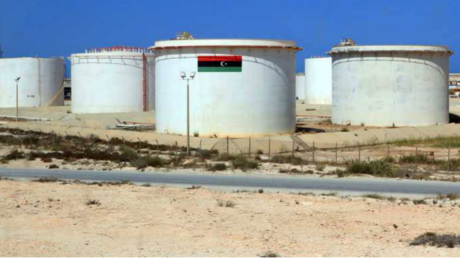
Egypt is set to import one million barrels of Libyan oil each month as part of its efforts to compensate for the halt in Kuwaiti crude supplies due to navigation disruptions in the Strait of Hormuz. This decision comes at a critical time as Egypt faces significant challenges in securing its energy needs, especially given the changing geopolitical circumstances in the region.
This step is part of Egypt's strategy to enhance its energy security, as the Egyptian government seeks to diversify its oil supply sources and reduce dependence on Kuwaiti oil. Recent events in the Strait of Hormuz, which is one of the most important maritime routes for oil transport, have affected supply flows, prompting Egypt to look for quick and effective alternatives.
Details of the Event
The halt in Kuwaiti oil supplies resulted from navigation disruptions in the Strait of Hormuz, leading to increased pressures on the oil market. In this context, the Egyptian Ministry of Petroleum announced plans to import oil from Libya, which is considered an important oil source in the region. This import is expected to begin shortly, contributing to meeting the needs of the Egyptian market.
It is worth noting that Libya possesses significant oil reserves and has seen improvements in its oil production in recent years after years of turmoil. This improvement may provide Egypt with a good opportunity to bolster its oil supplies.
Background & Context
Historically, relations between Egypt and Libya have been characterized by cooperation in several fields, including energy. In recent years, Libya has experienced internal conflicts that have impacted its oil production, but the current situation indicates the possibility of restoring stability in this sector. Egypt has always sought to secure its energy sources through strategic relationships with its neighbors.
Egypt is one of the largest oil consumers in the region and faces ongoing challenges in securing its energy needs. Geopolitical events in the region, including tensions in the Strait of Hormuz, have increased the importance of diversifying supply sources.
Impact & Consequences
The Egyptian government expects that importing Libyan oil will contribute to achieving relative stability in the local energy market. This import may help reduce pressures on local prices and enhance Egypt's ability to meet its energy needs more effectively.
Moreover, this cooperation with Libya may open new avenues for economic collaboration between the two countries, contributing to strengthening bilateral relations and benefiting both parties. Additionally, stable oil supplies may positively impact the Egyptian economy, which heavily relies on energy.
Regional Significance
Egypt's decision to import oil from Libya comes at a sensitive time for the Arab region, where many countries are facing economic and political challenges. This cooperation could serve as a model for enhancing relations between Arab countries in the fields of energy and economy.
Furthermore, stable oil supplies in Egypt may contribute to strengthening energy security in the region and reduce dependence on external energy sources, thereby enhancing the ability of Arab countries to face future challenges.
In conclusion, Egypt's decision to import Libyan oil represents a strategic step aimed at enhancing its energy security and meeting its energy needs amid changing geopolitical conditions. This decision is expected to have positive effects on the Egyptian economy and relations between Arab countries.