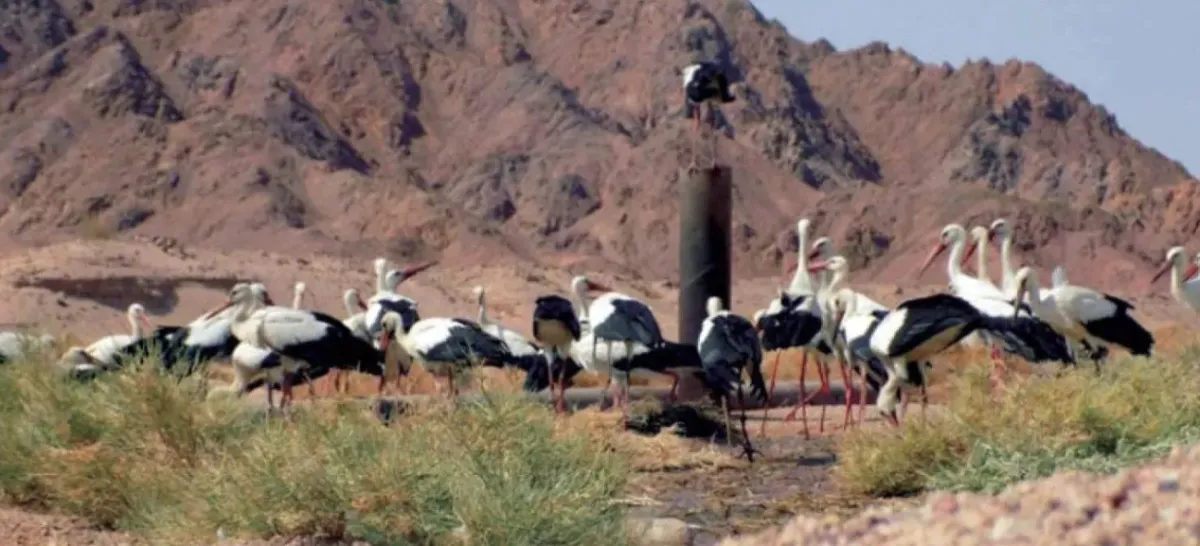
Egypt has announced a series of initiatives aimed at protecting migratory bird routes in its nature reserves, coinciding with the celebrations of 'World Migratory Bird Day', which is held under the slogan 'Every Bird Counts... Your Observation Matters'. This step reflects Egypt's commitment to preserving biodiversity.
The Ministry of Local Development and Environment emphasized in a statement the importance of protecting migratory birds and maintaining their natural migration routes, stressing the need to enhance community participation in monitoring and documenting birds. It noted that these efforts support the preservation of biodiversity and the conservation of natural resources.
Event Details
Egypt is considered one of the most important transit countries for migratory birds globally, thanks to its geographical location connecting Europe and Africa. Millions of migratory birds pass through its territories annually, particularly along coastal areas and wetlands that serve as key stopover and feeding stations during seasonal migration, according to statements from the Minister of Local Development and Environment, Dr. Manal Awad.
The minister added that nature reserves in Egypt play a pivotal role in preserving migratory birds by protecting vital natural habitats such as lakes, islands, and marshes. These environments serve as resting and feeding stations for birds during their annual migration journeys.
Background & Context
Egypt's efforts also include monitoring birds, reducing environmental threats, supporting scientific research, and raising environmental awareness about the importance of biodiversity. There are numerous reserves in Egypt that are considered crucial areas for the resting and feeding of birds, such as the Zaranik and Ishtum al-Jamil reserves and the Burullus on the Mediterranean coast, in addition to Ras Mohammed Reserve and the northern islands in the Red Sea.
A winter counting project for migratory birds has also been launched in collaboration with the Egyptian Nature Protection Society, aiming to monitor the numbers and species of migratory birds and provide an accurate scientific database to support conservation efforts.
Impact & Consequences
These efforts are part of a comprehensive strategy for environmental conservation and biodiversity in Egypt. By regulating hunting and removing illegal fishing nets, the ministry aims to protect migratory birds and reduce illegal hunting. Approximately 18 kilometers of illegal fishing nets have been removed from the Ishtum al-Jamil and Burullus reserves, reflecting the government's commitment to environmental protection.
The celebration of 'World Migratory Bird Day' occurs twice a year, on the second Saturday of May and October, coinciding with the spring and autumn migration seasons of birds between the hemispheres. This event raises awareness about the importance of protecting migratory birds and encourages communities to participate in environmental conservation efforts.
Regional Significance
Egypt's efforts to protect migratory birds serve as a model for the Arab region. These initiatives reflect the commitment of Arab countries to preserving biodiversity and addressing environmental challenges. They also highlight the importance of regional and international cooperation in environmental protection, enhancing the ability of countries to face common challenges.
In conclusion, these efforts represent an important step towards enhancing environmental awareness and conserving natural resources in Egypt, contributing to sustainable development.