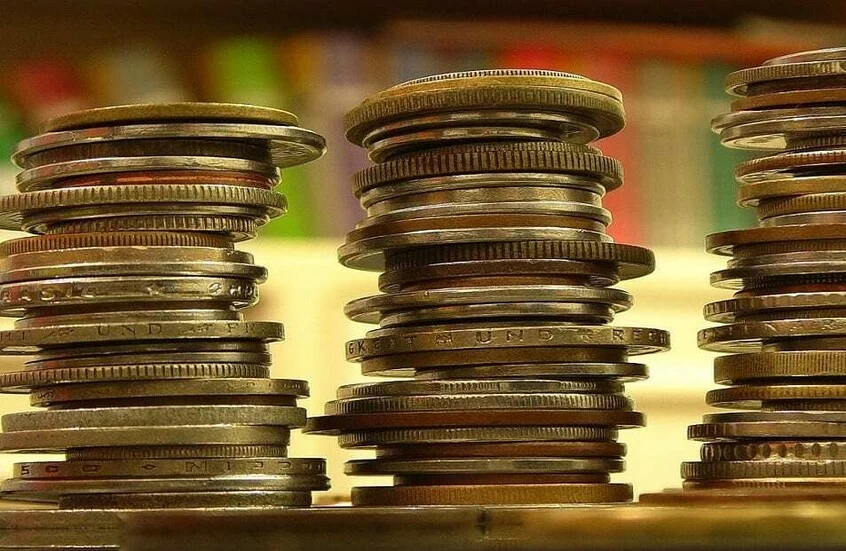
The Egyptian Treasury and Mint Authority has completed its technical preparations to launch a new 2-pound coin as part of its efforts to enhance the currency structure and facilitate daily transactions for citizens. This move comes at a time when Egyptian markets are experiencing a significant shortage of small coins, which affects commercial activities and transportation.
Jamal Hussein, head of the Treasury and Mint Authority, confirmed that the development plan includes retaining all currently circulating coins, including the pound coin, while updating their technical specifications. This update aims to improve the metallic composition of certain denominations, particularly the pound, using economical materials that balance nominal value and production costs.
Details of the Initiative
The Treasury's plan includes the introduction of a new 2-pound coin to enhance the efficiency of the "change" system, providing more suitable denominations for frequent daily transactions, especially in densely populated areas. Current denominations such as the quarter pound, half pound, and pound will continue to circulate as a fundamental part of the monetary system.
Hussein explained that these measures are part of a comprehensive vision aimed at improving the efficiency of the coin system and ensuring a regular supply to the market. The authority also seeks to achieve a delicate balance between economic and technical aspects in the production process.
Background & Context
Egyptian markets have been suffering from a severe shortage of small coins for some time, negatively impacting daily transactions in transportation, markets, and essential services. A significant part of this crisis is attributed to the phenomenon of melting coins, where some individuals melt them to extract precious metals or recycle them, due to the high cost of raw materials compared to the nominal value of certain denominations.
This step is part of the Egyptian government's efforts to develop the monetary system, gradually support the cashless economy, and improve daily trading efficiency. The government also aims to maintain the role of coins as a fundamental element in economic life.
Impact & Consequences
The new 2-pound coin is expected to enhance the efficiency of daily transactions, especially in densely populated areas. This step will also help reduce pressure on other cash denominations, making it easier for citizens to conduct their daily transactions.
These measures coincide with the Egyptian government's efforts to promote the cashless economy, reflecting a trend towards improving the overall efficiency of the monetary system. Additionally, updating coins demonstrates the government's response to current economic challenges.
Regional Significance
This initiative serves as a model for other Arab countries facing similar challenges in their monetary systems. This experience could inspire other nations to adopt similar policies to improve the efficiency of coin circulation and promote the cashless economy.
In conclusion, this step represents part of a comprehensive vision aimed at improving the monetary system in Egypt, contributing to economic stability and facilitating the daily lives of citizens.