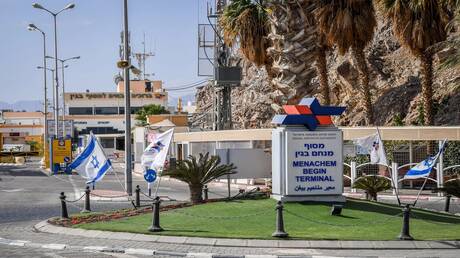
Egypt has angered Israelis by increasing crossing fees at the Taba border from $60 to $120. The Israeli newspaper 'Haaretz' criticized this decision, pointing out its negative impact on tourism and trade between the two countries.
While Egypt seeks to boost its tourism revenues, this decision may adversely affect relations with Israel, as the Taba crossing is a vital point of communication between the two sides. Many Israelis have expressed their dissatisfaction with this sudden fee hike, leading to calls for a boycott.
Details of the Decision
The Egyptian government decided to raise crossing fees at the Taba crossing, the main link between Egypt and Israel, in a move aimed at increasing revenues. This decision comes at a time when Egypt is facing significant economic challenges, as the government seeks to improve the country's financial situation. However, this decision may provoke negative reactions from the Israeli side, which relies on this crossing for tourism and trade.
The increase in fees represents a doubling of the previous cost, which has angered many Israeli citizens who consider this decision unjustified. 'Haaretz' expressed concern about the impact of this decision on bilateral relations, noting that such steps could complicate matters further between the two sides.
Context and Background
Historically, the Taba crossing is a strategic point in Egyptian-Israeli relations. Since the signing of the peace treaty between the two countries in 1979, the crossing has witnessed active movement of tourists and traders. However, economic and political crises in the region have significantly affected this movement in recent years.
In recent years, Egypt has taken several steps to enhance its tourism revenues, including improving infrastructure and providing facilities for tourists. However, raising fees at this time may have a counterproductive effect, as it could deter Israeli tourists from visiting Egypt.
Consequences and Impact
The decision to raise fees may lead to a decline in the number of Israeli tourists visiting Egypt, negatively impacting the Egyptian economy, which heavily relies on tourism. This could result in job losses for many Egyptians working in the tourism sector.
Additionally, this decision may reflect greater tensions in relations between Egypt and Israel, as some Israeli politicians may exploit this issue to bolster their positions against the Egyptian government. At the same time, it may lead to calls for a boycott from certain groups in Israel, further complicating the political landscape.
Regional Significance
This event is part of a series of economic and political tensions being experienced in the region. Amid increasing economic crises, countries may resort to similar measures, potentially exacerbating the situation. Furthermore, relations between Arab countries and Israel may be significantly affected, especially under the current circumstances.
In conclusion, the question remains about how this decision will affect future relations between Egypt and Israel, and whether there will be further steps taken by both sides to ease tensions. The relationship between the two countries plays a crucial role in regional stability, and thus any change in it could have far-reaching implications.