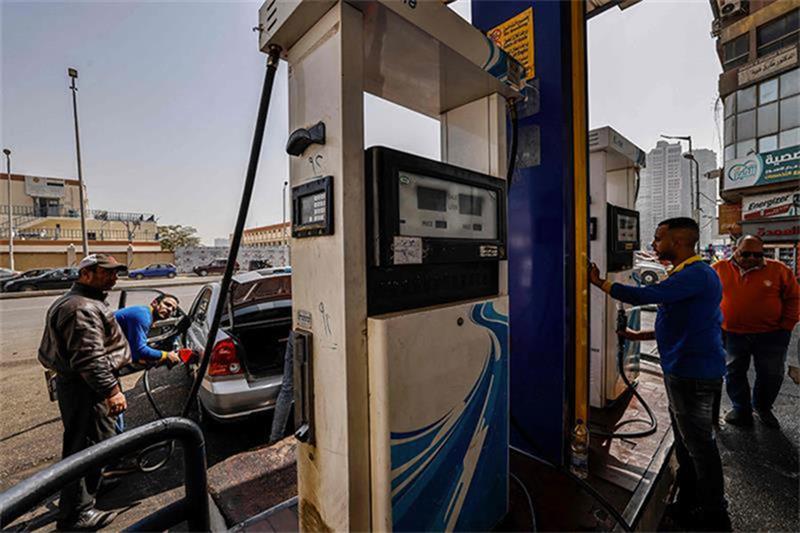
The International Monetary Fund has reported that the Egyptian government will resume the automatic linkage system for fuel prices by the end of June. This decision comes at a time when the country is facing increasing economic pressures, as the government seeks to achieve stability in the local market.
The automatic linkage system for fuel prices is a mechanism aimed at periodically adjusting prices based on changes in global oil prices. This system was suspended for a period due to the difficult economic conditions the country has faced, leading to increased burdens on citizens.
Details of the Decision
The automatic linkage mechanism involves setting the price of gasoline based on the average global oil prices, along with transportation and distribution costs. This decision is expected to impact fuel prices in the local market, which may reflect on the overall cost of living.
Through this system, the Egyptian government aims to strike a balance between supporting fuel prices and protecting consumers from sudden increases. The resumption of the automatic linkage also aligns with Egypt's commitments to the International Monetary Fund, which provides financial support to the country under the current economic conditions.
Background & Context
Historically, Egypt has experienced significant fluctuations in fuel prices, which have affected the national economy as a whole. In 2014, the Egyptian government began implementing a comprehensive economic reform program that included reducing subsidies on fuel, resulting in a notable increase in prices.
In recent years, Egypt has faced multiple economic challenges, including rising inflation rates and a decline in the value of the Egyptian pound. These conditions have prompted the government to take stringent measures to stabilize the economy, including the resumption of the automatic linkage system for fuel prices.
Impact & Consequences
The resumption of the automatic linkage system for fuel prices is expected to lead to an increase in prices in the local market, which may place additional pressure on Egyptian households. This decision could also affect transportation and goods costs, further increasing the economic burden on citizens.
On the other hand, this system may contribute to improving government revenues through increased fuel prices, enabling the government to finance development projects and enhance infrastructure. However, the government must be cautious in managing these increases to ensure that economic and social conditions do not worsen.
Regional Significance
Egypt is considered one of the largest economies in the Arab region, and any changes in its economic policies directly impact neighboring countries. The resumption of the automatic linkage system for fuel prices may serve as a model or a warning for other countries facing similar economic pressures.
This move may also affect oil prices in global markets, as any increase in demand from Egypt could lead to rising prices, impacting oil-importing countries in the region.
In conclusion, the resumption of the automatic linkage system for fuel prices represents an important step in the Egyptian government's efforts to achieve economic stability. However, there must be parallel strategies in place to protect citizens from increasing burdens.