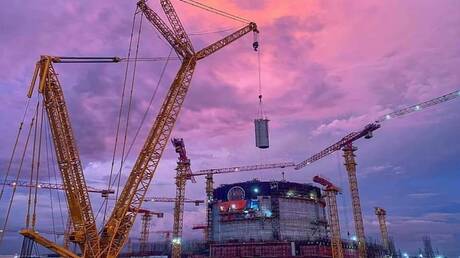
Egypt's Nuclear Power Plants Authority Chairman, Sherif Helmy, announced that the El Dabaa Nuclear Power Plant project is a strategic investment aimed at enhancing the country's energy security and promoting economic sustainability.
These statements come at a time when Egypt is striving for energy self-sufficiency and reducing reliance on traditional sources. The El Dabaa project, which is being implemented in collaboration with Russia, is a significant step towards achieving these goals.
Event Details
The El Dabaa Nuclear Power Plant, located on Egypt's northern coast, is one of the largest nuclear projects in the region. The plant is set to consist of four nuclear reactors, with a total capacity reaching 4800 megawatts. It is expected that the plant will help meet Egypt's growing energy needs, especially with the population and economic growth the country is experiencing.
Helmy pointed out that the project is not limited to energy production but also includes the development of local human resources in the field of nuclear energy, contributing to the creation of new job opportunities and enhancing technical skills in this vital sector.
Background & Context
Historically, Egypt has heavily relied on natural gas and coal to meet its energy needs. With the increasing demand for energy, the Egyptian government began exploring new options, including nuclear energy. An agreement was signed with the Russian side in 2015 to commence the implementation of the El Dabaa project.
Nuclear energy is an attractive option for many countries in the region as it provides a sustainable energy source and helps reduce carbon emissions. However, this type of energy faces challenges related to safety and cost, necessitating careful planning and effective management.
Impact & Consequences
The El Dabaa Nuclear Power Plant project is expected to have positive impacts on the Egyptian economy. In addition to providing energy, the project will contribute to attracting foreign investments and enhancing international cooperation in the energy sector. Furthermore, the development of nuclear energy infrastructure could open new horizons for Egypt in research and development.
Despite the potential benefits, the Egyptian government must be prepared to address the challenges associated with nuclear energy, including environmental and social issues. There must be transparency in project management to ensure the trust of the local and international community.
Regional Significance
The El Dabaa Nuclear Power Plant project represents an important step for Egypt in the context of its efforts to enhance energy security in the Arab region. With increasing geopolitical tensions in some neighboring countries, Egypt could become a regional energy hub, strengthening its role in achieving stability in the area.
Moreover, the success of the El Dabaa project may encourage other countries in the region to explore nuclear energy as a sustainable option. This could lead to a shift in the energy landscape in the Middle East, as countries seek to diversify their energy sources and reduce reliance on fossil fuels.
In conclusion, the El Dabaa Nuclear Power Plant project represents a significant opportunity for Egypt to enhance its energy security and drive its economy towards greater sustainability. With careful planning and effective management, this project could become a model for other countries in the region.