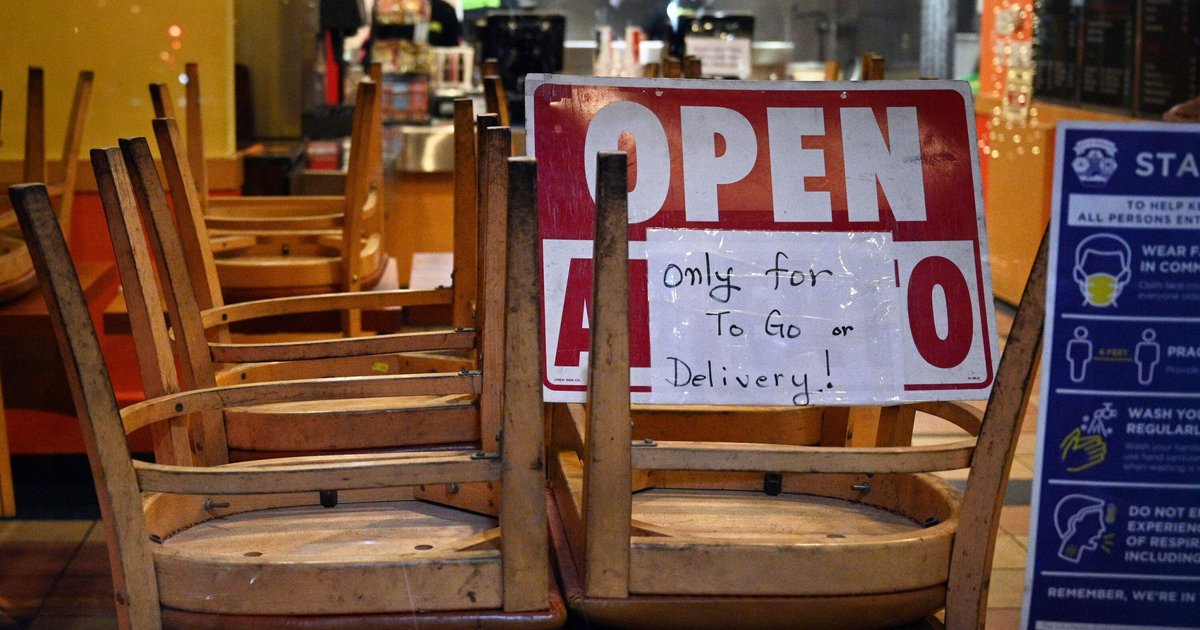
Egyptian authorities will implement a decision to close shops, malls, restaurants, and cafes within hours, aiming to curb the spread of COVID-19. This decision comes as part of increasing precautionary measures to combat the pandemic, as the government seeks to protect citizens' health and reduce gatherings.
This decision follows a noticeable rise in the number of COVID-19 infections recently, prompting the government to take strict measures to limit the virus's spread. The closing time has been set for 9 PM, which will significantly impact commercial activities and citizens' daily lives.
Details of the Closure
According to official data, the closure will begin tomorrow, requiring all shops, malls, restaurants, and cafes to adhere to the specified times. It has been confirmed that any violations will expose shop owners to strict penalties, including financial fines and temporary closures.
This step comes at a sensitive time, as the Egyptian government seeks to balance public health preservation with local economic support. Several other measures have been taken, such as increasing awareness campaigns about the importance of adhering to preventive measures.
Background & Context
Egypt, like many countries, has experienced recurring waves of COVID-19, leading to increasing restrictions on commercial and social activities. At the beginning of the pandemic, many shops and restaurants were closed, but as the situation improved, restrictions were eased. However, the recent rise in infections has led the government to reconsider these policies.
These measures are part of a larger strategy aimed at effectively combating the pandemic, with the government collaborating with the Ministry of Health and relevant authorities to provide vaccines and enhance health awareness among citizens.
Impact & Consequences
These measures are expected to significantly affect the local economy, as many business owners rely on daily revenues from shops and restaurants. Experts have warned that prolonged restrictions may lead to increased unemployment rates and a decline in commercial activity.
On the other hand, some believe that these measures are necessary to protect public health, and adherence to them may help reduce the virus's spread, thus accelerating the return to normal life. Therefore, the challenge lies in achieving a balance between public health and the economy.
Regional Significance
Many Arab countries are following a similar approach in combating COVID-19, imposing restrictions on commercial and social activities in an attempt to limit the virus's spread. Experiences in countries like Jordan and Lebanon have shown that strict measures can lead to positive results in reducing infections.
However, economic challenges remain, as governments strive to support affected sectors through stimulus packages and financial assistance. Thus, the Egyptian experience may serve as a model or a lesson for other countries in the region.
In conclusion, hope remains pinned on citizens' awareness and adherence to precautionary measures, as success in combating the pandemic largely depends on cooperation between the government and the community.