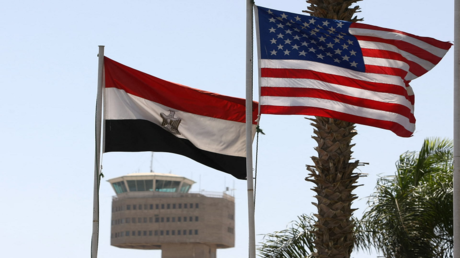
Egyptian Foreign Minister Badr Abdel Aty warned that the continuation of US escalation in the region could lead to severe consequences for both regional and international security. This warning came during his meeting with Musad Boulos, the senior advisor to the US President on Arab and African affairs, where they discussed the latest developments in the regional situation and ways to de-escalate tensions.
These warnings come at a time when the region is witnessing increasing tensions, necessitating all parties to work towards reducing escalation and avoiding any steps that could exacerbate the situation. Abdel Aty emphasized the importance of dialogue and understanding among nations to achieve stability.
Details of the Meeting
During the meeting, both sides addressed the current situation in the Middle East, including ongoing crises in several Arab countries. Abdel Aty pointed out the necessity for the United States to adopt a more balanced policy towards Arab issues, which would contribute to achieving peace and stability.
The importance of Egypt's role as a mediator in many regional issues was also discussed, as Cairo plays a pivotal role in de-escalation efforts and conflict resolution. Boulos expressed the US administration's appreciation for Egypt's role in this context.
Background & Context
Historically, relations between Egypt and the United States have been characterized by cooperation in various fields; however, recent regional tensions have impacted these relations. With the escalation of crises in the region, it has become essential for major powers, including the United States, to adopt policies that support stability rather than escalation.
Egypt is considered one of the leading countries in the region and has a significant influence on the course of events. Therefore, Abdel Aty's warnings come within the framework of Egypt's commitment to maintaining regional and international security and avoiding any escalation that could lead to catastrophic outcomes.
Impact & Consequences
If US escalation continues, it could exacerbate existing crises, negatively affecting security and stability in the region. Furthermore, any escalation could impact relations between Arab countries and the United States, potentially leading to a loss of trust in Washington's ability to play a positive role in the region.
The current situation requires all parties to work towards finding peaceful solutions to conflicts and avoiding any steps that could escalate tensions. In this context, Egyptian diplomacy plays an essential role in promoting dialogue among different parties.
Regional Significance
Egypt's warnings serve as a call for all Arab countries to unite and work together to face common challenges. The tensions in the region affect all nations, prompting everyone to take effective steps towards achieving peace and stability.
Responding to these warnings requires Arab countries to enhance cooperation among themselves and work on building joint strategies to confront challenges. Arab cooperation is the only way to achieve security and stability in the region.
In conclusion, Egypt's calls for dialogue and understanding remain a hope for avoiding escalation and achieving peace in a region suffering from crises. Responding to these calls could be the key to resolving many outstanding issues.