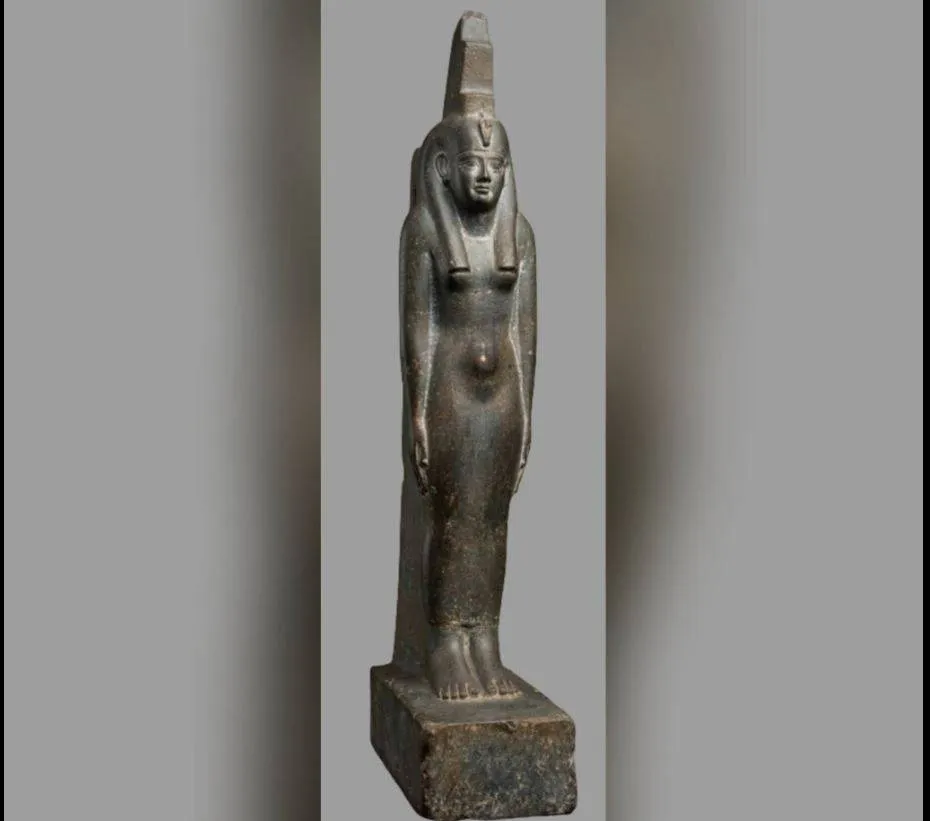
On its foundation anniversary, the Egyptian Museum in Tahrir Square (central Cairo) highlights the Isis statue, which is considered piece number 1 in its records. This statue embodies the character of Isis, representing the symbol of motherhood and loyalty in ancient Egyptian civilization.
The statue, made of schist and standing at 38 cm tall, dates back to the Late Period (Dynasty 26), a time that witnessed a distinctive artistic renaissance in mimicking ancient styles, according to a statement from the Egyptian Museum.
Event Details
The statue was discovered in 1858 in the archaeological area of Saqqara during excavations by the French archaeologist Mariette, the founder of the Egyptian Antiquities Service. This statue is considered a cornerstone in documenting Egypt's rich history, showcasing the importance of archaeological documentation in understanding Egyptian civilization.
The Egyptian Museum's celebration of its foundation by highlighting the Isis statue carries deep symbolic and scientific significance, transcending traditional museum displays. Dr. Dina Suleiman, a specialist in Egyptian and Near Eastern archaeology, states that this choice reflects an early awareness of the value of documentation and archiving as essential pillars in museum studies.
Background & Context
The Egyptian Museum was established in 1895, after the French architect Marcel Dourgnon was chosen to design it, and it was inaugurated in 1902 by Khedive Abbas Helmy II. It is considered the first museum building in the Middle East, housing tens of thousands of artifacts that narrate the story of ancient Egyptian civilization from the pre-dynastic era to the Greek and Roman periods.
The Isis statue, dating back to Dynasty 26 (688 - 525 BC), illustrates how this dynasty believed that restoring Egypt's glory begins with reclaiming its ancient arts and traditions. Dr. Omar Al-Mu'taz Billah, a professor of the history and philosophy of ancient Egyptian art, describes the statue as not just a fleeting symbol but a visual declaration of Isis's ability to grant life to the Egyptian belief system.
Impact & Consequences
The Isis statue serves as evidence of the importance of the arts in shaping Egyptian cultural identity. It demonstrates how ancient arts continue to inspire new generations and enhance archaeological awareness in society. Additionally, displaying this statue in the museum reflects the efforts made to preserve Egypt's cultural heritage and promote cultural tourism.
These initiatives contribute to attracting tourists and specialists in archaeology, thereby enhancing Egypt's status as a cultural tourism destination. The Egyptian Museum is considered a center for knowledge and research, reflecting the vital role that cultural institutions play in shaping collective consciousness.
Regional Significance
This celebration serves as a reminder of the importance of cultural heritage in the Arab region. The efforts made to preserve Egyptian antiquities highlight the significance of cooperation among Arab countries in the fields of culture and arts. It also shows how heritage can be a bridge for communication between peoples.
In conclusion, the Isis statue is a symbol of Egyptian cultural heritage and reflects ongoing efforts to maintain cultural identity in the face of modern challenges. The celebration of the Egyptian Museum's foundation anniversary illustrates how arts and antiquities can inspire new generations and enhance cultural awareness.