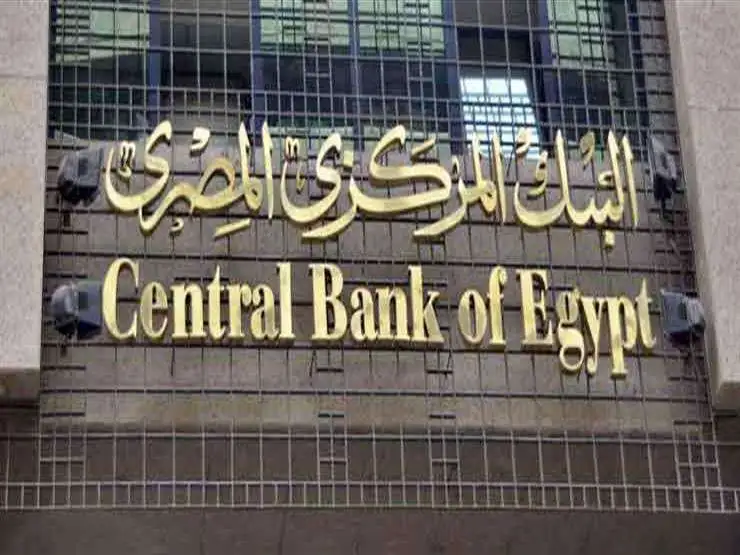
The International Monetary Fund confirmed that the Central Bank of Egypt has refrained from direct intervention in the exchange rate, reflecting a new direction in Egyptian monetary policy. This decision comes at a critical time for the Egyptian economy, which is facing significant challenges, including rising inflation rates and the depreciation of the Egyptian pound.
In recent years, Egypt has experienced significant fluctuations in the exchange rate of the pound, negatively impacting citizens' purchasing power and increasing economic pressures. The IMF indicated that this abstention from direct intervention may be part of a broader strategy to enhance the stability of the Egyptian economy.
Details of the Decision
The IMF reported in its latest report that the Central Bank of Egypt has decided not to intervene in the foreign exchange market, reflecting its commitment to free market policies. This decision is part of the Egyptian government's efforts to enhance transparency and increase confidence in the national economy.
This shift in monetary policy is a bold step, as direct intervention in the exchange rate has been considered one of the primary tools used by the Central Bank to maintain currency stability. However, the lack of intervention may lead to further fluctuations in the exchange rate, which could impact both foreign and domestic investments.
Background & Context
Historically, Egypt has suffered from recurring economic crises, having undergone several devaluations of the Egyptian pound. In 2016, the Central Bank floated the pound, leading to a significant decline in its value. Since then, the government has attempted to control inflation and improve the overall economic situation.
In recent years, Egypt has faced additional challenges due to the repercussions of the COVID-19 pandemic, which has affected tourism, one of the most important sources of national income. Additionally, regional conflicts and global crises have exacerbated the economic situation.
Impact & Consequences
The Central Bank's decision not to intervene in the exchange rate may lead to increased market volatility, which could negatively affect citizens' purchasing power. At the same time, this decision may enhance investor confidence in the Egyptian economy in the long term, provided that matters are managed well.
Investors and analysts are expected to closely monitor the impact of this decision on the Egyptian economy, especially given the current challenges. Furthermore, this decision may pave the way for further economic reforms needed to achieve stability and sustainable growth.
Regional Significance
The Central Bank of Egypt's decision not to intervene in the exchange rate is a step that could affect other Arab countries, particularly those facing similar economic issues. This decision may encourage other countries to adopt more flexible monetary policies, potentially improving the business and investment environment in the region.
At the same time, Arab countries must be cautious of fluctuations in exchange rates, as any increase in instability could lead to negative repercussions on the regional economy as a whole.
In conclusion, the Central Bank of Egypt's decision not to intervene in the exchange rate represents an important shift in monetary policy and reflects the challenges and opportunities facing the country at this time. The government and the Central Bank must work together to ensure economic stability and achieve sustainable growth.