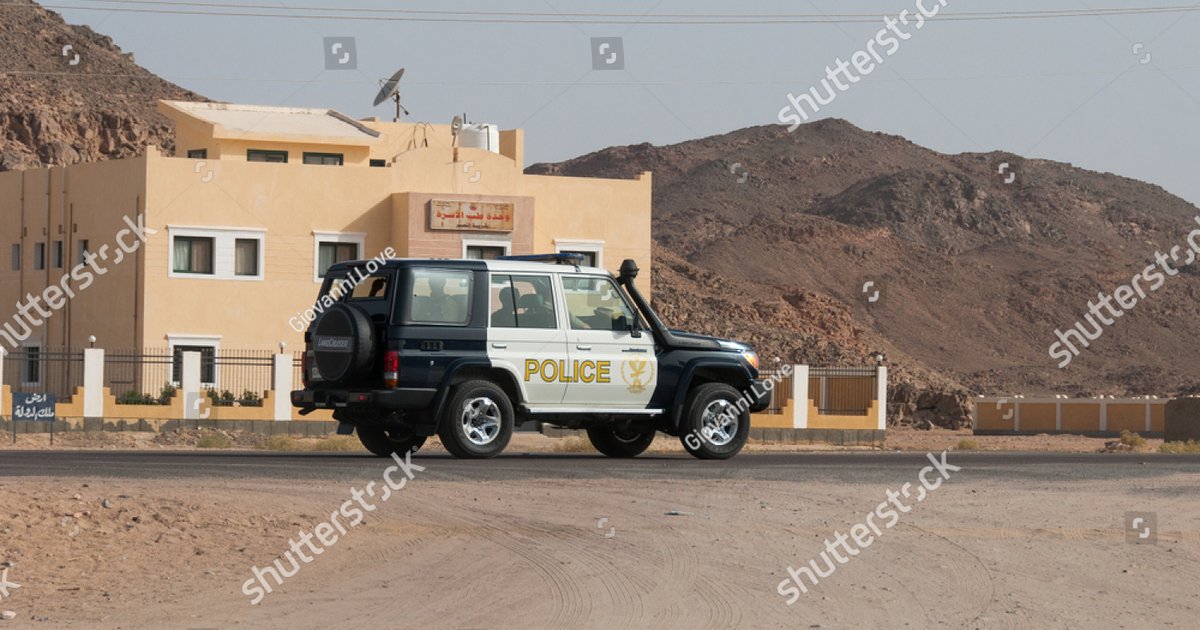
The Egyptian Ministry of Interior has announced ongoing efforts to facilitate access to police services for seniors and individuals with disabilities, as part of its commitment to enhance the rights of these groups and ease their daily lives. This initiative comes at a time when the country is witnessing increased attention to human rights issues, especially concerning the most vulnerable segments of society.
These facilities include dedicated police services, which encompass direct access to police stations and the provision of services without the need for long waiting periods. Special phone lines have also been established to receive complaints and inquiries, making it easier for seniors and individuals with disabilities to communicate with the relevant authorities.
Details of the Initiative
The Ministry of Interior aims to improve the quality of life for seniors and individuals with disabilities through these initiatives, having trained a cadre of officers to deal with these groups in a professional and humane manner. Police stations have been equipped with special facilities that ensure easy access, such as ramps and elevators.
The new facilities also include the ability to submit applications online, allowing individuals with disabilities and seniors to access services from their homes without the need to travel. This step reflects the Egyptian government's commitment to improving public services and providing a more inclusive environment for all.
Background & Context
These steps are part of Egypt's Vision 2030, which aims to achieve sustainable development and enhance human rights. In recent years, there has been a growing interest in the rights of individuals with disabilities, with many laws and regulations enacted to protect their rights and provide the necessary support.
Historically, the most vulnerable groups have faced significant challenges in accessing basic services, leading to their marginalization at times. However, the recent social and political transformations in Egypt have increased awareness of the importance of providing support to these groups.
Impact & Consequences
These initiatives are considered a positive step towards enhancing human rights in Egypt and may contribute to improving the government's image in the international community. Additionally, facilitating access to police services can enhance citizens' trust in state institutions, leading to improved relations between the government and society.
Moreover, these steps may inspire other countries in the region to adopt similar policies, contributing to better conditions for individuals with disabilities and seniors in the Arab world.
Regional Significance
These initiatives serve as a model for the Arab region, where many countries face similar challenges regarding the rights of individuals with disabilities. Enhancing the rights of these groups can contribute to achieving sustainable development and promoting social stability.
Furthermore, these steps may open the door for more cooperation among Arab countries in the field of human rights, strengthening joint efforts to improve the living conditions of the most vulnerable groups.
The efforts of the Egyptian Ministry of Interior to facilitate access to police services for seniors and individuals with disabilities reflect the government's commitment to improving quality of life and enhancing human rights. These initiatives represent an important step towards building a more inclusive and tolerant society.