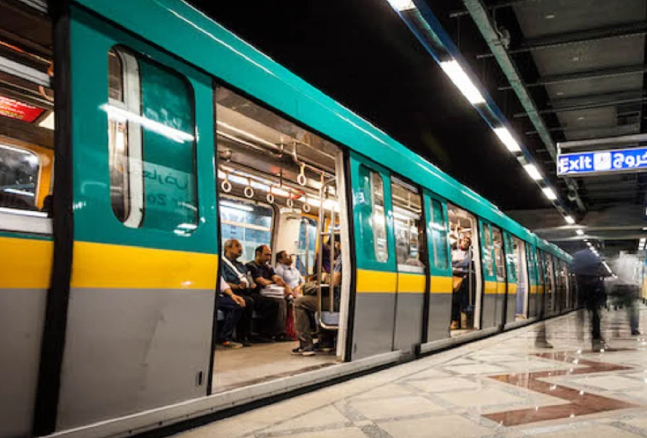
Egypt's Minister of Transport, Kamel El-Wazir, has stated that metro ticket prices will not decrease, even if diesel prices fall. The minister explained that this decision is part of maintaining the sustainability of metro services, which are among the most important means of transportation in the Egyptian capital.
This statement comes at a time when the Egyptian market is experiencing fluctuations in fuel prices, with diesel prices recently declining. However, it appears that the Egyptian government prefers to keep ticket prices unchanged, raising questions about the impact on citizens.
Details of the Announcement
During a press conference, the minister pointed out that the operational costs of the metro are influenced by multiple factors, not just diesel prices. He emphasized that significant investments have been made in developing the metro network, necessitating the maintenance of current prices to ensure the continuity of service.
The minister also added that there are future plans to improve services offered to citizens, including increasing the number of trains and expanding the network to meet the growing needs of the public.
Background & Context
The Cairo Metro network is considered one of the largest metro systems in the Middle East, serving millions of passengers daily. The network has undergone numerous updates and expansions in recent years, contributing to an improved level of service.
However, rising operational and maintenance costs remain a significant challenge for the government, especially amid the difficult economic conditions faced by citizens. These circumstances have affected the purchasing power of many families, increasing the importance of decisions related to transportation prices.
Impact & Consequences
The decision not to lower ticket prices may increase pressure on citizens, who are already struggling with rising living costs. Under these circumstances, some may turn to alternative transportation methods, which could impact traffic flow in the capital.
This decision may also provoke reactions from labor unions and civil society, who may argue that the government should take more flexible steps to support citizens amid the current economic situation.
Regional Significance
These developments coincide with similar economic challenges in many Arab countries, where populations are facing rising living costs and declining purchasing power. These decisions in Egypt may raise questions about how Arab governments are handling economic crises.
Ultimately, the question remains about how these decisions will affect the daily lives of citizens and whether the government will take additional steps to support them in the future.