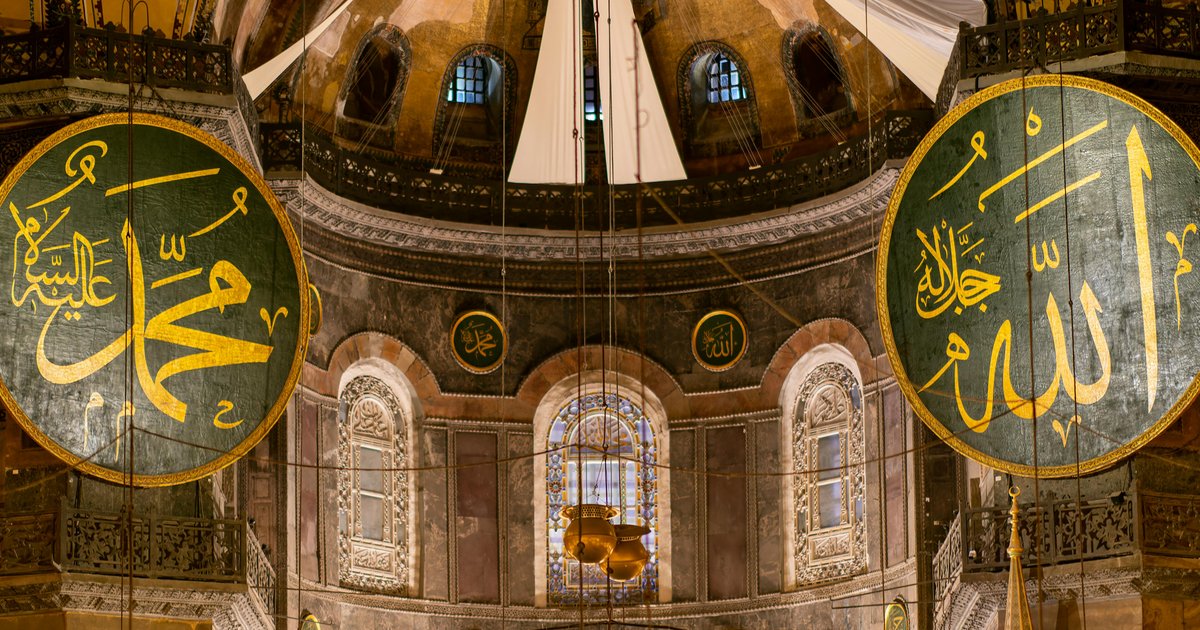
The Egyptian Ministry of Awqaf has announced an urgent decision to stop lighting minarets and removing decorations from mosques. This decision is part of the ministry's efforts to regulate administrative and organizational matters within places of worship, reflecting the government's direction towards organizing religious activities in line with current circumstances.
This decision comes at a time when the country is facing multiple challenges, both economically and socially, necessitating decisive measures to ensure optimal resource utilization. The ministry has confirmed that this decision aims to maintain the dignity of mosques and direct efforts towards more important activities.
Details of the Decision
The Ministry of Awqaf stated that the decision applies to all mosques across the republic, with directives issued to imams and mosque workers to adhere to this decision. The ministry pointed out that lighting minarets and decorations were considered traditional practices that could consume unnecessary resources under the current economic conditions.
The ministry also emphasized that this decision does not mean a reduction in religious activities or events held in mosques, but rather is part of a comprehensive plan aimed at enhancing administrative discipline and directing resources towards improving services provided to worshippers.
Background & Context
This step is part of a series of measures taken by the Egyptian government in recent years to regulate financial and administrative matters across various sectors. The country has faced numerous economic challenges that have prompted the government to reassess its priorities and allocate resources more efficiently.
The Ministry of Awqaf had previously launched several initiatives to improve mosque management, including training programs for imams and enhancing services provided to worshippers. This decision is considered part of those ongoing efforts.
Impact & Consequences
This decision is expected to have multiple effects on religious and social life in Egypt. Stopping the lighting of minarets and removing decorations may be seen as a step towards reducing costs, but it could also lead to disappointment among some worshippers, especially those who view these practices as part of their cultural and religious identity.
On the other hand, this decision could be seen as an opportunity to direct efforts towards improving essential services in mosques, such as providing religious education and social support for those in need. Therefore, it could have a positive impact on the community if utilized correctly.
Regional Significance
Egypt is considered a leading country in the Arab world in terms of culture and religion, and any decision made by the Egyptian government may affect neighboring countries. This decision could be viewed as a model for other countries facing similar challenges in managing religious resources.
In light of the difficult economic conditions many Arab countries are experiencing, this step may serve as evidence of the importance of rethinking how mosques and associated resources are managed, potentially leading to similar changes in other countries.
In conclusion, the decision by the Egyptian Ministry of Awqaf highlights the importance of balancing the preservation of religious identity with meeting economic and social needs. It remains to be seen how this step will affect Egyptian society in the future.