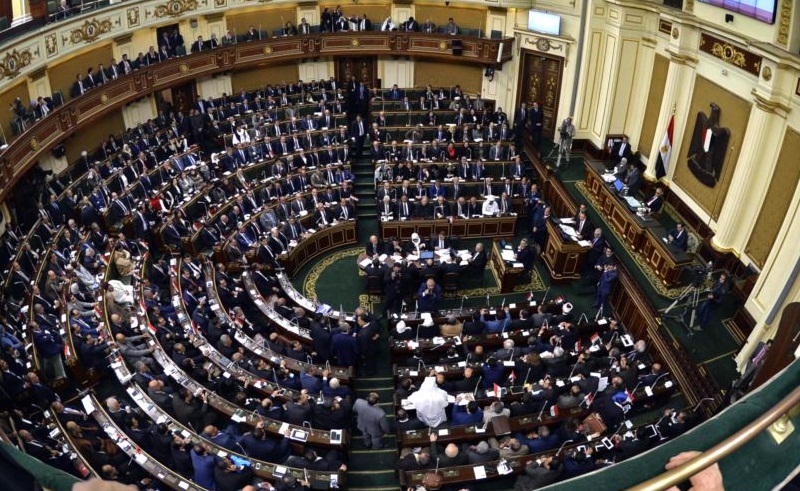
The Egyptian House of Representatives approved a draft law concerning radiation activities in its latest session, where a vote was held on the totality of its articles. However, the council decided to postpone the final approval of the law. This project aims to regulate the use of radioactive materials across various fields, including medicine and industry.
This step comes at a sensitive time, as the Egyptian government seeks to enhance safety and security in handling radioactive materials, especially with the increasing use of these materials in many vital applications. This project reflects the government's commitment to applying international standards in this field, thereby enhancing the safety of citizens and the environment.
Details of the Session
During the session, many articles related to the law were discussed, focusing on the importance of establishing strict controls for the use of radioactive materials. The representatives emphasized the necessity of having clear mechanisms for monitoring and inspecting facilities that use these materials to ensure that citizens are not exposed to any health risks.
Additionally, the importance of training human resources in this field was highlighted to ensure safe handling of radioactive materials. Some representatives pointed out the need to enhance cooperation with international specialized bodies in this field to benefit from global expertise.
Background & Context
Historically, Egypt has witnessed several incidents related to radioactive materials, leading to increased awareness of the importance of regulating this sector. These incidents have posed significant challenges for the government, which aims to improve the legal and regulatory frameworks to protect citizens.
In recent years, many amendments have been introduced to laws related to radiation activities; however, the need for a comprehensive law that ensures the regulation of all aspects of this sector has become urgent. The current draft law is considered an important step towards achieving this goal.
Impact & Consequences
This law is expected to have a significant impact on the health and industrial sectors in Egypt. In addition to enhancing safety, the law will contribute to attracting both foreign and local investments in the fields of energy and medicine.
Moreover, having a clear legal framework will enhance citizens' confidence in using modern technologies that rely on radioactive materials, which may contribute to improving the quality of health and industrial services.
Regional Significance
This law serves as a model that many Arab countries facing similar challenges in regulating the use of radioactive materials can emulate. With the increasing use of these materials in various fields, it becomes essential to have clear legislation that ensures the safety of citizens.
The Egyptian experience can contribute to enhancing regional cooperation in this field, where Arab countries can exchange expertise and knowledge to achieve safety and security in the use of radioactive materials.
In conclusion, the postponement of the final approval of the draft law on radiation activities does not diminish its importance; rather, it reflects the representatives' commitment to ensuring a comprehensive law that aligns with international standards. Citizens look forward to seeing positive outcomes from this project in the near future.