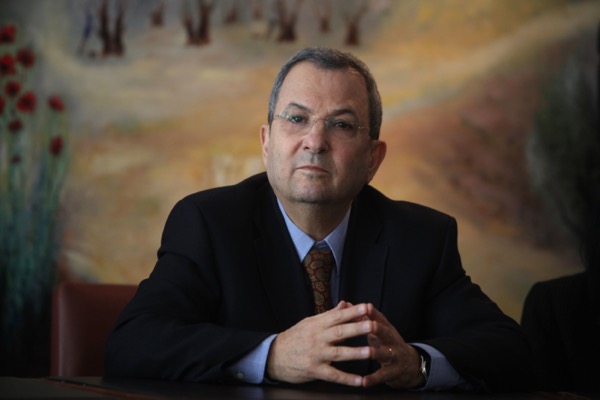
In striking remarks, Ehud Barak, former Prime Minister of Israel and Defense Minister, asserted that the war launched by the United States and Israel against Iran and Hezbollah has failed and will continue to fail. This statement was made during an interview with the official Hebrew radio, where he pointed out that the absence of a clear strategic plan is the main reason behind this failure, in addition to the excessive reliance on military force.
Barak, who previously held the position of Defense Minister, clarified that the current situation requires long-term strategic thinking rather than military bets that have not borne fruit. Commenting on the situation in Iran, he stated, "We all pray for the fall of the regime in Iran," reflecting his concern over the persistence of the Iranian regime and its impact on regional security.
Details of Barak's Statements
Barak's statements come at a time when the Middle East is witnessing increasing tensions, particularly with the escalation of Iranian military activities and its interference in neighboring countries' affairs. In recent years, there has been a rise in attacks between Israel and Hezbollah, complicating the security situation in the region. Barak, regarded as one of the prominent military and political figures in Israel, believes that the current strategy is insufficient to confront the challenges posed by Iran and Hezbollah.
In a related context, Israel continues to carry out military operations against Iranian targets in Syria, viewing these operations as part of its strategy to curb Iranian influence in the region. However, Barak emphasizes that these operations alone are not enough to achieve the desired objectives and must be accompanied by a comprehensive plan that encompasses all aspects of the conflict.
Background & Context
Historically, relations between Israel and Iran have been tense, with Iran considered one of the greatest threats to Israeli security. Since the Islamic Revolution in 1979, relations between the two countries have deteriorated continuously, with Israel accusing Iran of supporting armed groups such as Hezbollah and Hamas. These dynamics have led to a persistent escalation in military tensions between the two sides, raising concerns in international circles.
Moreover, the situation in Lebanon is complex, as Hezbollah is a major military and political force. The Lebanese civil war and regional conflicts have affected Hezbollah's operational capabilities, further complicating the security landscape in the region. Through his statements, Barak seeks to highlight the need for a deeper understanding of the challenges Israel faces in the context of its conflict with Iran and Hezbollah.
Impact & Consequences
Barak's statements underscore the necessity of reevaluating current strategies to address Iranian threats. The failure to achieve military objectives could have negative repercussions on Israeli security and may increase the likelihood of military escalation in the region. Additionally, the absence of a clear plan could weaken Israel's position in future negotiations with concerned parties.
Furthermore, the failure to achieve military objectives may affect Israel's international relations, potentially leading to a loss of trust from its allies, particularly the United States. As Israel seeks to strengthen its alliances, failure to address Iranian threats could complicate these efforts.
Regional Significance
Barak's statements are particularly significant for the Arab region, as they reflect the ongoing tensions between Israel, Iran, and Hezbollah. These dynamics directly impact the security and stability of neighboring countries, complicating the political situations in the region. Moreover, the failure to achieve military objectives could lead to escalated conflicts in the region, threatening regional security.
In conclusion, the challenges Israel faces in its conflict with Iran and Hezbollah remain persistent, necessitating new and effective strategies to confront them. Barak's remarks highlight the need for strategic thinking and international cooperation to address these challenges.