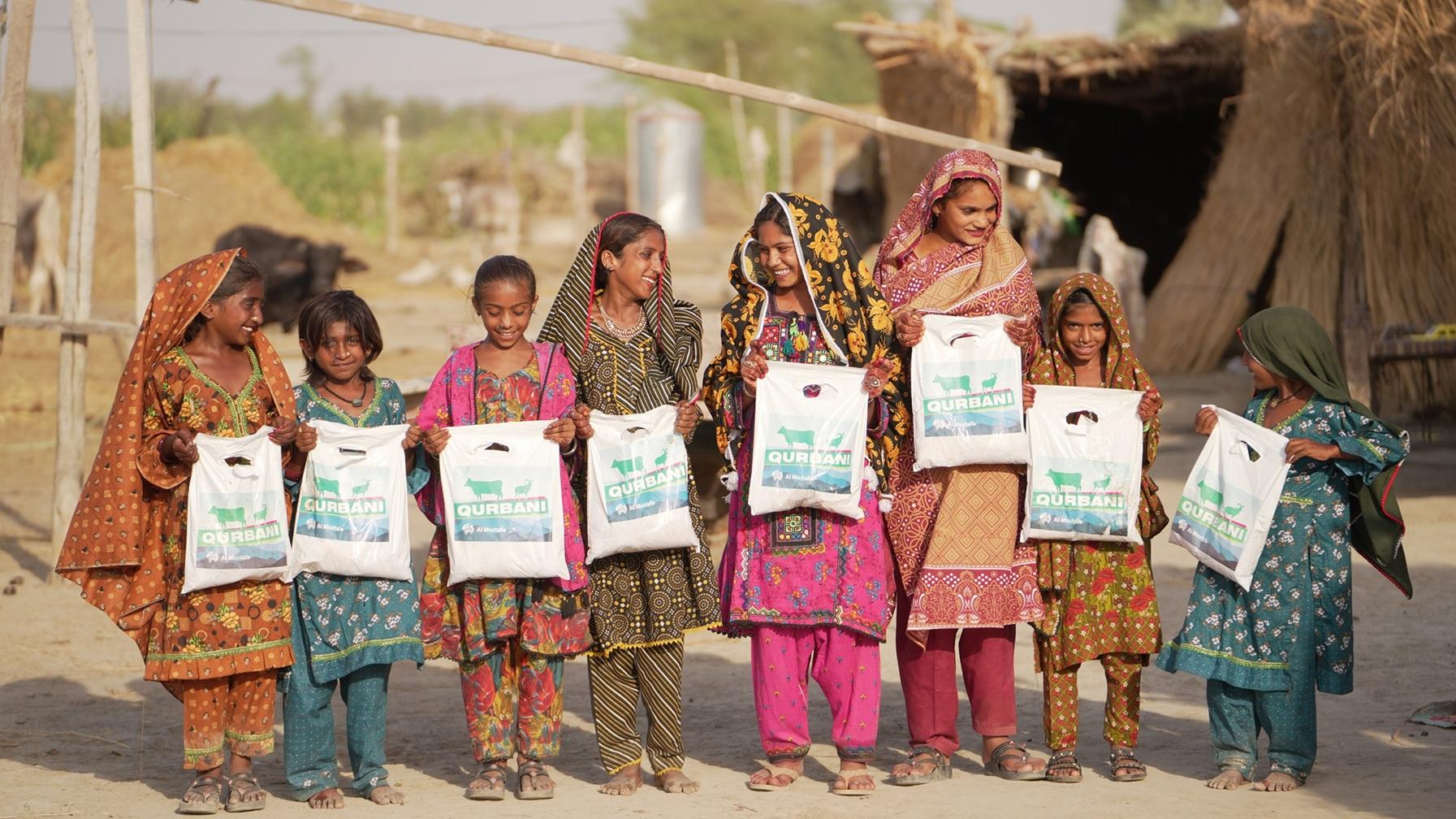
Eid al-Adha is one of the most prominent Islamic holidays, celebrated by Muslims worldwide. In 2026, it is anticipated that the holiday will commence on June 6 and continue until June 9, according to astronomical calculations. This occasion serves as a time to renew family and social ties, as relatives and friends gather to celebrate.
The official holiday dates differ from country to country, with each nation announcing its holiday schedule based on the sighting of the moon. In some countries, holidays may be extended to include the weekend, providing people with a greater opportunity to celebrate.
Event Details
Eid al-Adha, also known as the Feast of Sacrifice, is celebrated on the tenth day of the month of Dhu al-Hijjah, following the completion of the Hajj pilgrimage. This holiday serves as a reminder of the story of the Prophet Ibrahim (Abraham) and his son Ismail (Ishmael), where Ibrahim was commanded to sacrifice his son as a test of his faith, but God provided a ram as a substitute. Muslims commemorate this occasion by sacrificing animals and distributing the meat to the poor and needy.
The sacrificial animal symbolizes generosity and giving, encouraging Muslims to share meat with others, thereby enhancing values of cooperation and social solidarity. Numerous cultural and religious events are also held during this period, creating an atmosphere of joy and happiness within communities.
Background & Context
Eid al-Adha is one of the two major Islamic holidays, celebrated after the completion of the Hajj, which is one of the five pillars of Islam. The origins of this holiday date back over 1400 years, symbolizing sacrifice and altruism. Over the years, the ways of celebrating the holiday have evolved, with customs and traditions varying from one country to another.
In many Islamic countries, Eid al-Adha is seen as an opportunity to strengthen family and social bonds, as people visit relatives and friends, exchanging greetings. Many cultural and artistic events are organized to highlight local heritage, enhancing the cultural identity of communities.
Impact & Consequences
Eid al-Adha is an opportunity to strengthen social and economic ties among individuals and communities. The act of sacrificing animals contributes to the local economy by boosting the meat trade and agricultural products. The holiday also promotes values of generosity and giving, encouraging people to assist those in need.
This occasion also serves as a chance to renew connections among Muslims worldwide, as people share in celebrations and religious rituals, fostering unity and solidarity among Islamic communities.
Regional Significance
Eid al-Adha has a significant impact on Arab communities, serving as an opportunity to enhance family and social ties. In Arab countries, numerous cultural and religious events take place during this time, reinforcing cultural identity and encouraging interaction among individuals.
The holiday is also an opportunity to boost domestic tourism, as people visit tourist attractions and historical sites, contributing to the local economy. Eid al-Adha demonstrates how religious occasions can strengthen social and economic bonds among individuals and communities.