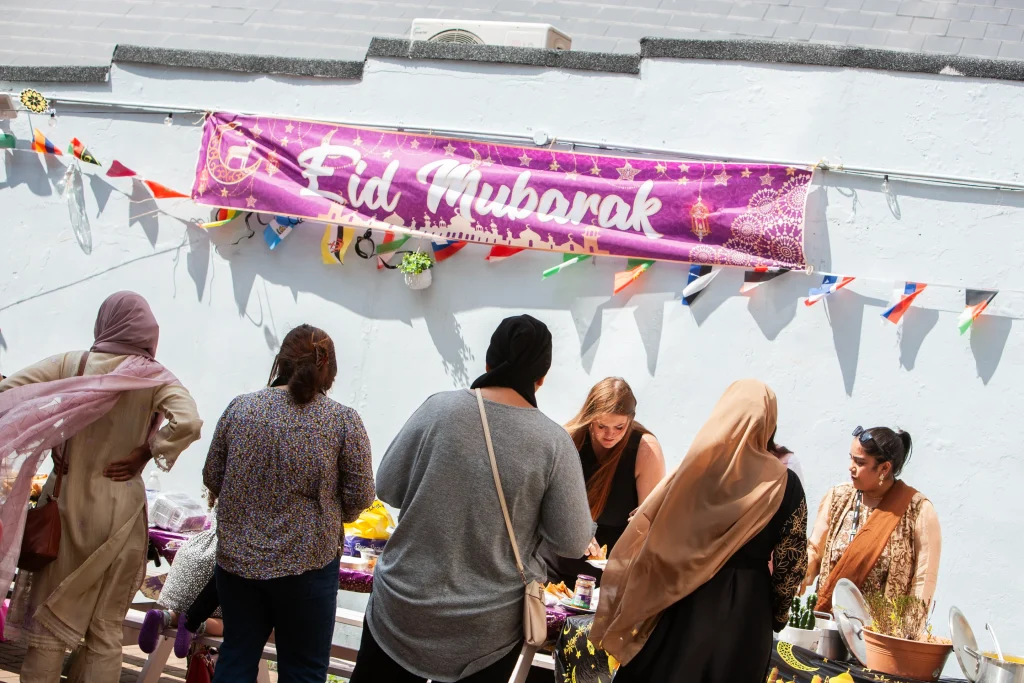
The village of Seruni in the Musuk area of Boyolali, Central Java, celebrates Eid al-Adha in a unique way that reflects its cultural traditions. Every year, the villagers gather to commemorate this religious occasion by sacrificing animals and distributing meat to those in need, which enhances social ties among the residents and reflects values of solidarity and sharing.
The celebrations begin on the morning of the holiday, where locals gather in the village square to perform the Eid prayer. After the prayer, the organizers of the celebration sacrifice the animals according to Islamic law, as this act is considered one of the most important rituals of the holiday. The meat is distributed to needy families, contributing to the spirit of cooperation and assistance among community members.
Event Details
The Eid al-Adha celebrations in Boyolali are characterized by a variety of cultural and traditional activities. Residents prepare traditional dishes that are an integral part of their celebrations. Entertainment events such as folk dances and local music are also held, creating an atmosphere of joy and happiness.
These celebrations provide an opportunity to strengthen the cultural identity of the residents, as everyone is keen to wear traditional clothing and participate in various activities. This occasion also serves as a chance to renew social relationships among families and friends, as people visit each other to exchange greetings and well-wishes.
Background & Context
Eid al-Adha is one of the most important Islamic holidays, celebrated by Muslims around the world. Also known as the Festival of Sacrifice, it occurs on the tenth day of Dhu al-Hijjah, after the completion of the Hajj pilgrimage. This holiday serves as a reminder of the story of the Prophet Ibrahim (Abraham) and his son Ismail (Ishmael), where Ibrahim was commanded to sacrifice his son as a test from God, and when he complied, God substituted a ram for the sacrifice.
In Indonesia, Eid al-Adha is an important occasion that reflects Islamic values and cultural traditions. The ways of celebration vary from region to region, with each area showcasing its own unique customs. In Boyolali, the celebrations provide an opportunity to enhance social bonds and solidarity among the residents.
Impact & Consequences
The Eid al-Adha celebrations in Boyolali demonstrate how religious holidays can strengthen social ties and contribute to improving the living conditions of needy families. Through the distribution of meat, residents are able to support each other, reinforcing values of generosity and giving within the community.
These celebrations also reflect the importance of preserving cultural heritage, as they provide a chance to educate new generations about their traditions and values. By participating in these activities, young people learn the significance of cooperation and sharing, which enhances community cohesion.
Regional Significance
The Eid al-Adha celebrations in Boyolali serve as a model for many Arab communities, illustrating how holidays can enhance social bonds and contribute to improving living conditions. In the Arab world, holidays are seen as opportunities to renew family and social relationships, where people exchange greetings and participate in various activities.
In conclusion, the Eid al-Adha celebrations in Boyolali highlight how cultural traditions can strengthen social ties and contribute to improving living conditions. These festivities are not merely religious rituals but embody the values of cooperation and sharing that are essential to the cultural identity of the community.