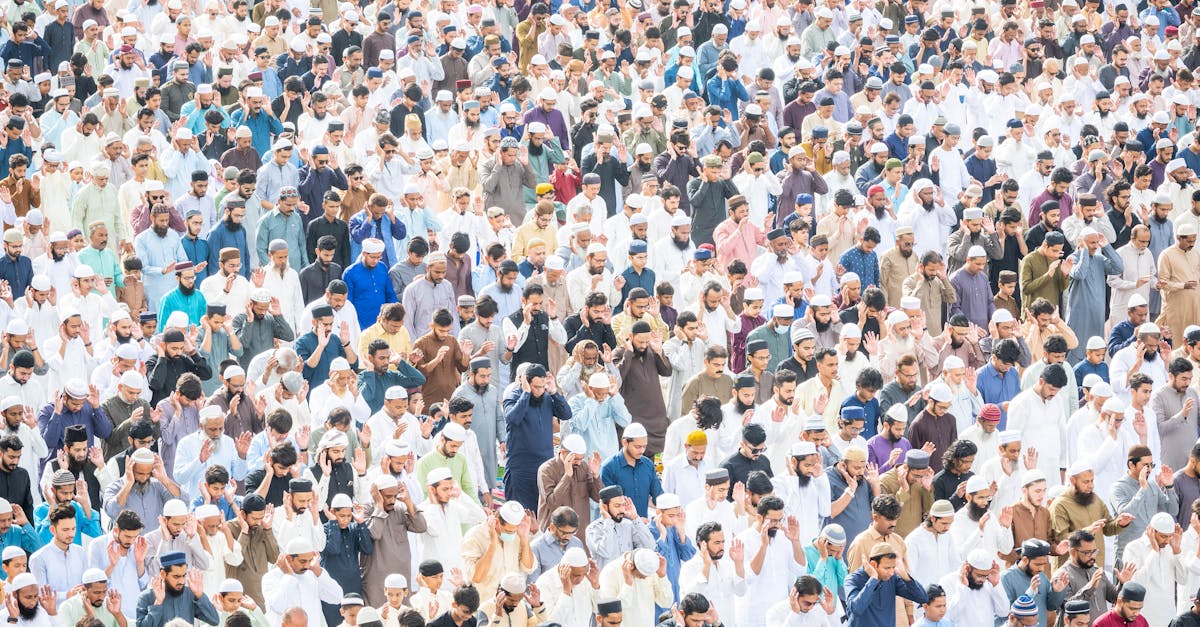
Indonesian citizens in Japan celebrated the blessed Eid al-Adha in an atmosphere of reverence and tranquility, with the Eid prayer held in several mosques across different Japanese prefectures. From Hokkaido in the north to Fukuoka in the south, Muslims of various nationalities gathered to commemorate this significant religious occasion.
At the Indonesia Asahi Mosque in Chiba Prefecture, dozens of worshippers performed the Eid prayer under the leadership of Dr. Ula Ngaraha, while Professor Dr. Ari Fakhruddin delivered the Eid sermon. Representatives from the Indonesian embassy in Tokyo attended the event, calling for the strengthening of ties between the Indonesian community and Japanese society.
Event Details
In Tokyo, the Indonesian Muslim Community (KMII) organized the Eid al-Adha prayer at the Indonesia Mosque, attended by approximately 2,500 worshippers. Special activities for children titled "Happy Eid" were also organized, adding a touch of joy and delight to the celebrations. Elsewhere, at the Nusantara Mosque in Akihabara, around 500 people attended the prayer.
In northern Japan, the Eid prayer was held at the Asahikawa Mosque, with about 70 attendees, despite it being a regular workday. In Fukuoka, 300 worshippers gathered at two different locations, demonstrating the effective organization by the local Muslim communities.
Background & Context
Eid al-Adha is one of the most important holidays in Islam, celebrated by Muslims worldwide. This holiday serves as a reminder of the story of Prophet Ibrahim (Abraham) and his son Ismail (Ishmael), reflecting values of sacrifice and altruism. In Japan, where diverse Muslim communities reside, Eid al-Adha presents an opportunity to strengthen social bonds and promote understanding among different cultures.
Historically, Japan has witnessed an increase in the number of Muslims, particularly from Indonesia, contributing to the formation of a diverse community that reflects Islamic traditions. The presence of mosques hosting these events enhances communication between local Muslims and Indonesians.
Impact & Consequences
The Eid al-Adha celebrations in Japan serve as a platform to enhance cultural understanding between Muslims and Japanese society. Through these events, Muslims can present a positive image of Islam, contributing to reducing cultural gaps and strengthening relationships among various communities.
Moreover, the participation of representatives from local authorities, such as the police, in these events reflects the Japanese community's commitment to fostering mutual understanding and supporting foreign communities. These steps enhance the sense of belonging among Muslims in Japan and help them integrate better into society.
Regional Significance
These events serve as a model for enhancing relationships between Muslim communities and local societies around the world. The success of these celebrations reflects Muslims' ability to adapt to new environments while maintaining their cultural and religious identity.
Amid the challenges faced by Muslim communities in some countries, these experiences can inspire Arab communities abroad to strengthen social and cultural ties with the societies they live in.