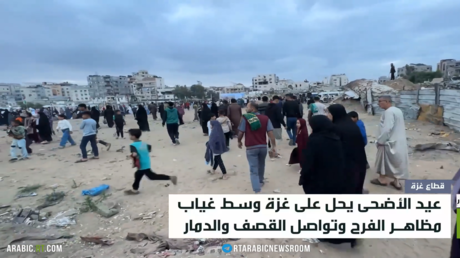
This year's Eid al-Adha in the Gaza Strip arrives under severe humanitarian conditions, significantly diminishing traditional celebrations. The difficult circumstances faced by residents limit their ability to commemorate this religious occasion.
As Eid approaches, the suffering of Gaza's residents intensifies, with markets lacking essential goods and the joyful expressions typically associated with the holiday absent. Many families are under substantial economic pressure, making it challenging for them to purchase sacrificial animals or even secure festive meals.
Event Details
This year's Eid al-Adha celebrations coincide with the ongoing humanitarian crises plaguing the Gaza Strip, where the blockade has persisted for years. Reports indicate that the unemployment rate in Gaza has exceeded 50%, exacerbating the daily struggles faced by the population.
Moreover, the region is experiencing a severe shortage of food and medicine, negatively impacting the health of its residents. Under these circumstances, many find it difficult to meet their basic needs, depriving them of the opportunity to celebrate the holiday as they traditionally would.
Background & Context
Historically, Eid al-Adha has been a time for celebration and social connection in Gaza, where families would gather to share joyful moments. However, with the escalation of political and economic crises, these traditions have significantly declined. The blockade imposed by the Israeli occupation, along with internal conflicts, has contributed to the worsening humanitarian situation.
Additionally, recurring crises in the region, including armed conflicts and military operations, have led to a deterioration of the economic and social conditions in Gaza. In recent years, the area has witnessed a notable decline in infrastructure and basic services, greatly affecting the lives of its residents.
Impact & Consequences
The repercussions of the humanitarian situation in Gaza extend beyond the territory itself, influencing regional stability as a whole. The escalating crises in Gaza could exacerbate tensions in the region, threatening security and stability in neighboring countries.
Humanitarian organizations are striving to provide assistance, but logistical and political challenges hinder their efforts. Under these conditions, the residents of Gaza remain hopeful for an improvement in their situation, yet such hopes seem distant at present.
Regional Significance
The conditions in Gaza serve as an indicator of the humanitarian crises affecting other areas in the Arab world. Calls from the international community for support and assistance are increasing, yet the response remains insufficient.
The humanitarian conditions in Gaza require urgent attention from Arab nations and the international community, as improving the living conditions of the population could contribute to achieving stability in the region. Hope for change necessitates collective efforts and effective international cooperation.