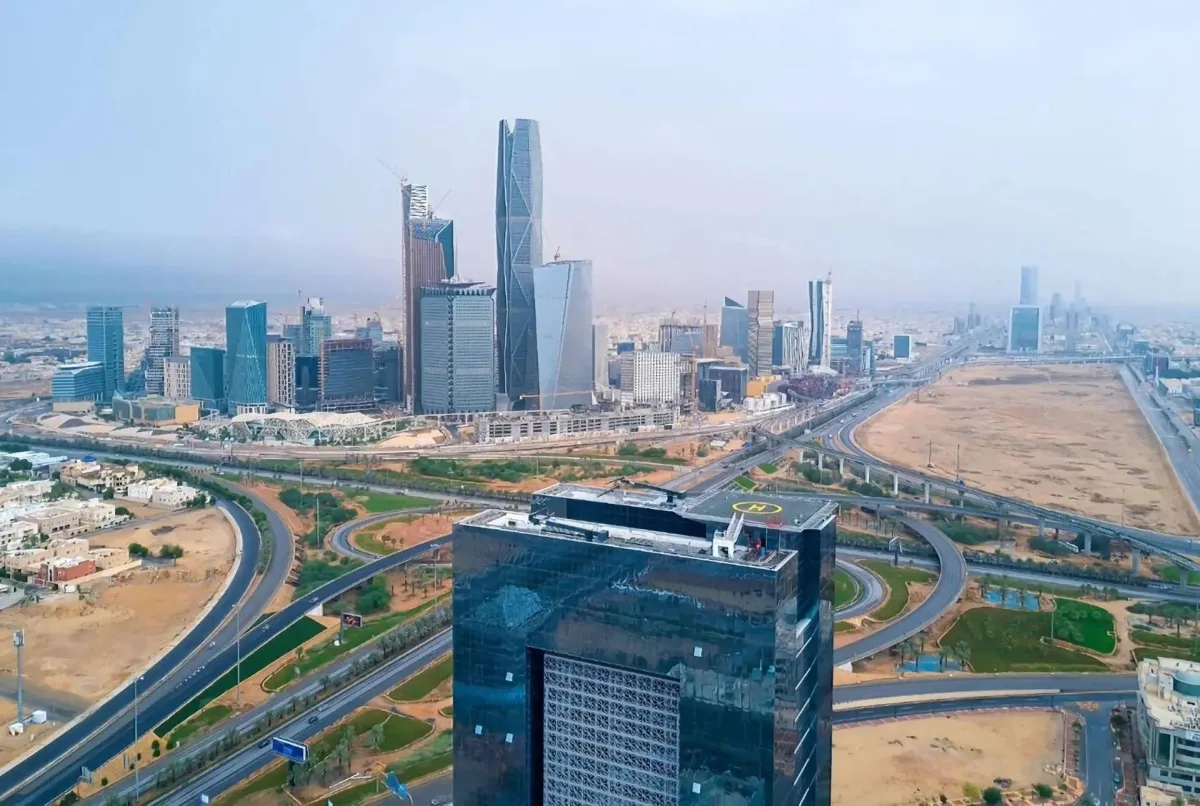
Eight Saudi cities have achieved a remarkable milestone in the IMD Smart Cities Index for 2026, released by the International Institute for Management Development. These results reflect the accelerated pace of development in the Kingdom and the improvement of quality of life in its cities, as part of the objectives of "Vision 2030."
The city of Riyadh advanced to 24th place globally, up from 27th, while Makkah ranked 50th, Jeddah 55th, and Medina 67th. The city of Khobar achieved 64th place, and AlUla witnessed a qualitative leap, moving from 112th to 85th, indicating rapid development in its tourism and development projects.
Event Details
For the first time, the cities of Hail and Hafar Al-Batin were included in this index, achieving 33rd and 100th places respectively among 148 cities worldwide. This global index measures the extent to which cities have adopted modern technologies by evaluating residents' perceptions of service quality and digital infrastructure, and its impact on improving daily life patterns.
This notable progress reflects Saudi Arabia's ongoing efforts to enhance urban services and build smart, sustainable cities that contribute to improving quality of life and enhancing global competitiveness, especially as the country celebrates "Artificial Intelligence Year 2026."
Background & Context
These results come at a time when the Kingdom is undergoing radical transformations across various sectors, as the government aims to achieve the objectives of "Vision 2030," which seeks to diversify the economy and improve quality of life. This includes developing digital infrastructure and enhancing the use of modern technologies across various fields.
Smart cities are a fundamental part of this vision, focusing on improving public services, facilitating daily life for citizens, and enhancing environmental sustainability. Previous reports have shown that smart cities contribute to improving economic efficiency and providing better services to citizens.
Impact & Consequences
The benefits of smart cities extend beyond merely improving quality of life; they also contribute to attracting foreign investments and boosting the local economy. Additionally, the digital transformation in cities can lead to the creation of new job opportunities and enhance innovation across various sectors.
Moreover, improving public services and digital infrastructure enhances cities' ability to face future challenges, such as climate change and population growth. This positions the Kingdom competitively on both regional and international levels.
Regional Significance
The experience of smart cities in Saudi Arabia serves as a model for the Arab region, potentially inspiring other countries to adopt similar strategies. With the increasing interest in modern technology and digital transformation in the Arab world, the success of Saudi cities in this field could encourage more regional cooperation in developing smart cities.
In conclusion, these results represent an important step towards achieving sustainable development goals in the Kingdom, reflecting the government's commitment to improving the quality of life for citizens and enhancing global competitiveness.