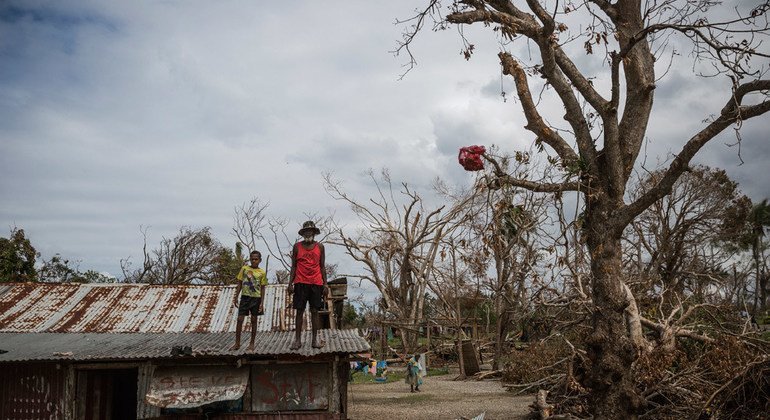
Recent reports indicate that El Niño, one of the most significant climate influencers, is likely to return with an 80% probability in the upcoming fall. This phenomenon is known for causing global temperature increases and exacerbating extreme weather events such as floods and droughts.
The effects of El Niño extend across various regions of the globe, with tropical areas potentially facing more intense storms and hurricanes, while some countries may contend with severe droughts. This news heightens concerns about how this phenomenon will affect food security and water resources in many countries worldwide.
As the world grapples with escalating climate crises, understanding El Niño is crucial for adapting to climate changes. Governments and relevant organizations must take proactive measures to respond to the negative repercussions that may arise from this phenomenon.
The current situation necessitates intensified efforts to reduce carbon emissions and combat climate change, as scientific studies confirm that climate change has far-reaching implications for the environment and the economy, putting everyone in a shared responsibility to preserve our planet.
For Arab countries, the spread of El Niño may exacerbate existing water and agricultural challenges. Countries like Egypt and Sudan, which heavily rely on agriculture, may face greater difficulties in providing irrigation water, directly impacting food security and renewable energy.
Moreover, desert regions may experience rising temperatures, increasing the severity of climate changes and putting pressure on local communities. In the end, Arab countries and the international community must collaborate to find effective solutions for adapting to climate changes and mitigating their impacts.