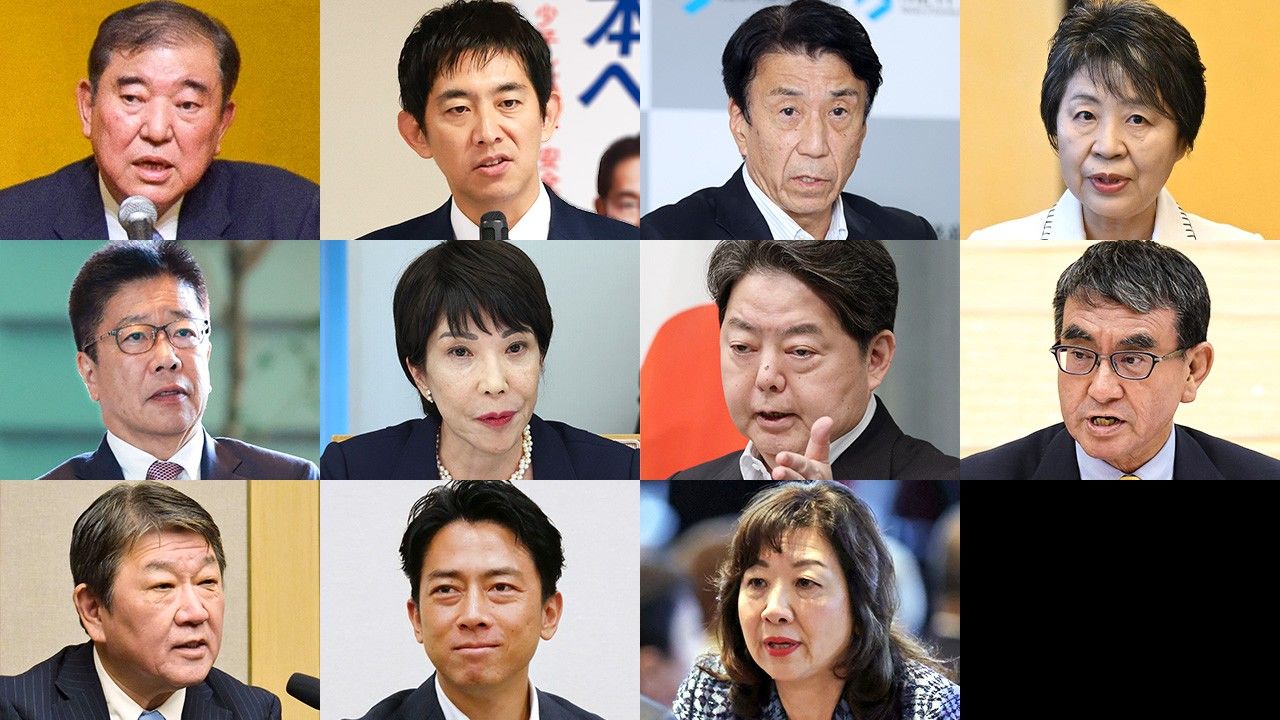
Kiko Takayashi has been elected as Japan's first female Prime Minister, marking a historic step towards enhancing women's representation in leadership roles. This election followed a decisive vote in the Japanese parliament, where Takayashi received broad support from members of the ruling party, reflecting a shift in Japan's political culture.
This moment is a turning point in Japan's history, as the country has been one of the laggards in women's representation in high political positions. Although women make up about 50% of Japan's population, their representation in parliament has always been low, making this election a significant milestone in the journey towards gender equality.
Event Details
During the voting session, Takayashi received substantial backing from parliament members, securing 250 votes out of 465. She expressed her deep gratitude to the voters and the members who supported her candidacy, emphasizing the importance of working towards justice and equality in Japanese society.
This step comes after years of efforts to increase the number of women in politics, with numerous initiatives launched to support women in running for public office. These efforts have contributed to changing the stereotype surrounding women's roles in Japanese society.
Background & Context
Historically, Japan has struggled with a lack of women's representation in politics, where high positions were considered the domain of men. However, things have gradually begun to change in recent years, with increased awareness of the importance of women's participation in decision-making. Women's movements have pushed the government to take concrete steps to promote women's rights.
Takayashi is one of Japan's prominent political figures, having held several government positions before her election as Prime Minister. She is known for her strong stances on women's rights issues, making her a symbol of hope for many women in Japan.
Impact & Consequences
Takayashi's election is expected to have a significant impact on Japanese politics, as she will work to promote policies that support women's rights and equality. This step is also anticipated to inspire more women to run for political positions, potentially leading to a radical change in the Japanese political landscape.
On the international stage, Takayashi's election is viewed as a positive step towards enhancing diversity and representation in governments. This move could serve as a model for other countries seeking to improve women's status in politics.
Regional Significance
Takayashi's election represents an opportunity to reflect on how to enhance women's roles in politics in the Arab world. Despite the significant challenges faced by women in many Arab countries, Takayashi's success can be an inspiration for Arab women to achieve their political ambitions.
Enhancing women's representation in leadership positions is not just a local issue; it is a global concern that requires international cooperation and the exchange of experiences. Successful experiences like Takayashi's can contribute to fostering dialogue about women's rights in the Arab world.