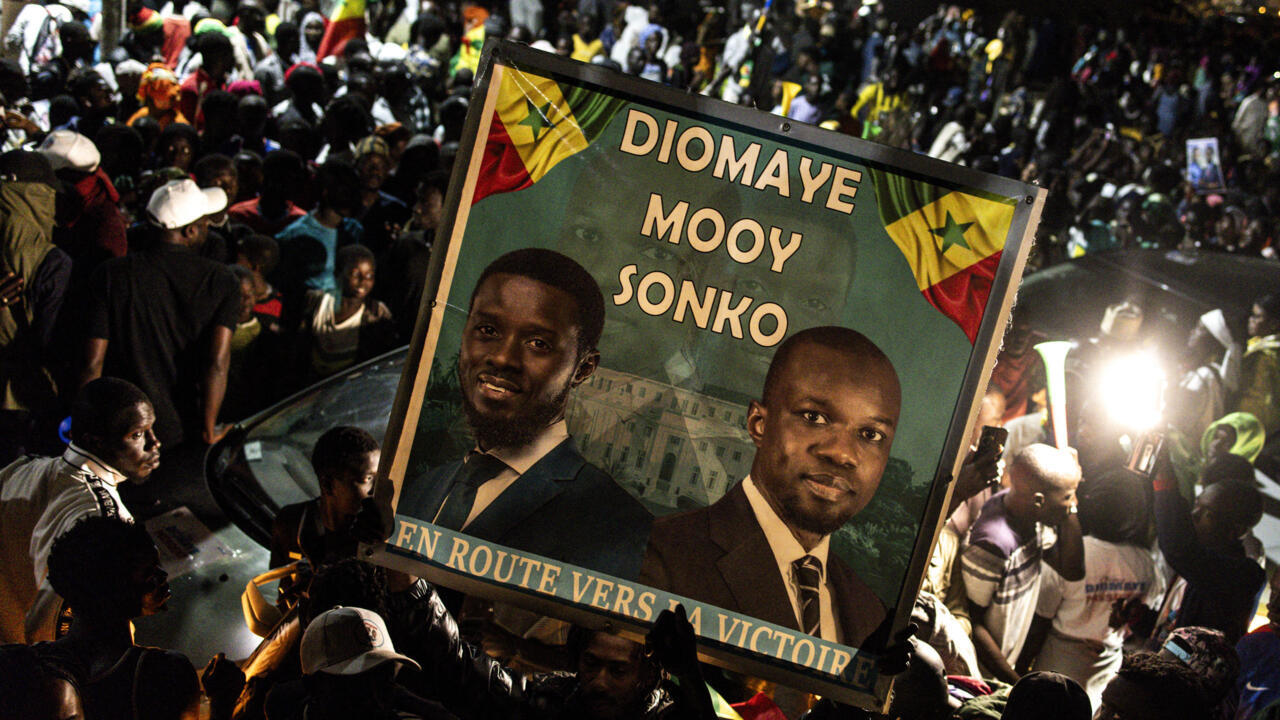
Osman Sonko, who was recently dismissed from his role as Prime Minister, has been elected as the President of the Senegalese National Assembly, just four days after his removal by President Bassey Diumai Faye. This election took place in a celebratory atmosphere, as Sonko received widespread support within the parliament, reflecting the strength of his leftist African National Party, "Pastef," which holds 130 out of 165 seats.
However, opposition deputies left the hall in protest against Sonko's reintegration into parliament, deeming it illegal. In his inauguration speech, Sonko emphasized that he would not use his new position for personal gain, stressing the importance of the National Assembly's role in overseeing government actions.
Details of the Event
In his speech, Sonko indicated that he aims to enhance "popular sovereignty," asserting that the National Assembly should be more than just a chamber for recording votes. Babacar Ndiaye, the research director at the "Wati" Center, described Sonko's speech as "very aggressive," although he expressed a willingness to engage in dialogue with the president.
The political rift between Sonko and Faye had been anticipated after months of tensions, as Sonko had long been a political mentor to Faye but later became merely a collaborator. This shift led to escalating disputes, particularly regarding corruption investigations and negotiations with the International Monetary Fund over debts.
Background & Context
The roots of the tension between Sonko and Faye trace back to the 2024 presidential election period, during which Sonko was barred from competing due to a criminal conviction. This situation prompted Faye to select Sonko as an alternative candidate, leading them to jointly assume power. However, increasing disagreements over economic and political issues affected their relationship.
In March 2026, Faye launched the "Diumai President" alliance, which was seen as a departure from Sonko and his party. Sonko expressed dissatisfaction with the "lack of power" in the country, further escalating tensions between the two parties.
Impact & Consequences
Sonko's election as President of the National Assembly significantly alters the balance of power within the government. He now enjoys greater political independence, granting him an enhanced ability to influence government decisions. According to Saliou Ngom, a political science professor, this change could impact the relationship between the executive and legislative branches.
Sonko also denied any desire to "obstruct," expressing his readiness to discuss matters responsibly. However, the formation of the next government will be a crucial indicator of both sides' ability to find common ground.
Regional Significance
This development in Senegal signals political transformations in the region, reflecting the strained relationships among political leaders and the larger challenges faced by African nations. The upcoming elections will serve as a true test of the ability to achieve political stability.
In conclusion, the question remains whether Sonko and Faye can overcome their differences, especially with elections approaching. The relationship between ethics and politics in this context will be pivotal in determining Senegal's political future.