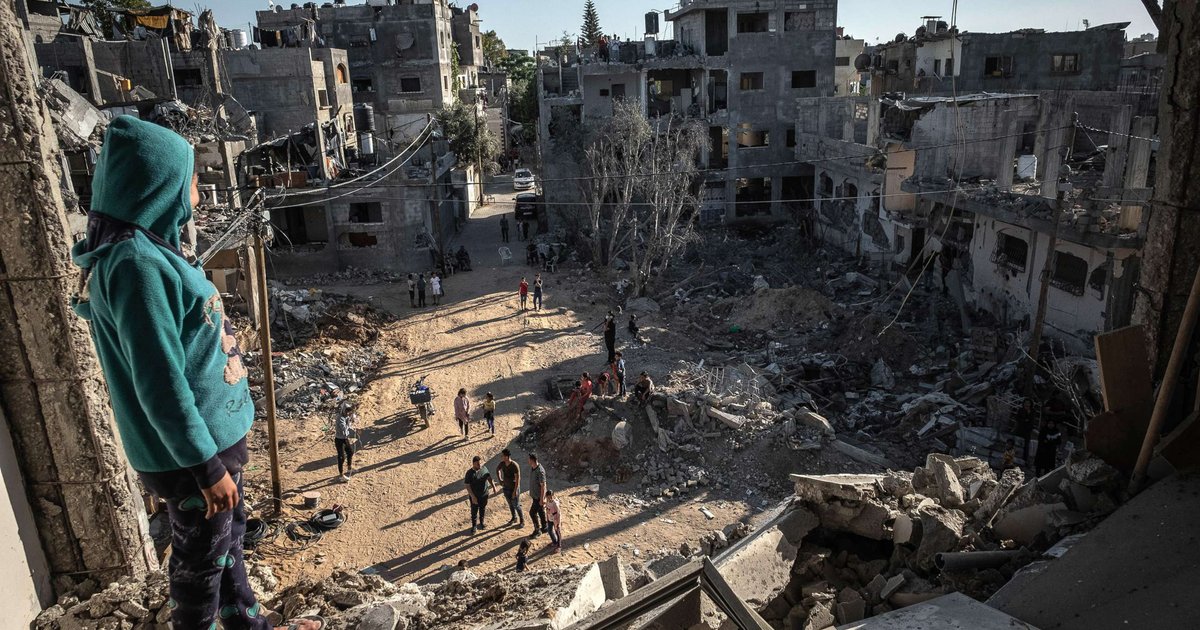
Eleven Palestinians were killed in airstrikes carried out by Israeli forces across various areas in Gaza, prompting a wave of international and local condemnation. This escalation comes at a sensitive time as the region faces worsening humanitarian crises.
The Israeli bombardment targeted residential areas and civilian facilities, resulting in dozens of injuries, further exacerbating the suffering of residents who have lived under a suffocating blockade for years. Local sources confirmed that the strikes specifically targeted areas in Gaza City and Rafah, where the attacks concentrated on residential neighborhoods.
Details of the Incident
According to the Palestinian Ministry of Health, the airstrikes resulted in the deaths of eleven Palestinians, including women and children, reflecting the scale of the humanitarian disaster faced by the residents of the enclave. Images and videos circulated on social media depicted the extensive destruction inflicted on homes and public facilities, intensifying the already dire humanitarian situation.
Eyewitnesses reported that the bombardment followed a series of escalating tensions in the area, where clashes had occurred between Israeli forces and Palestinian factions near the borders. These events come at a time when international calls for a ceasefire and the initiation of peace talks are increasing.
Background & Context
The history of the Israeli-Palestinian conflict spans several decades, marked by numerous wars and clashes. Since 2007, the Gaza Strip has been under a strict blockade imposed by Israel, leading to a deterioration of economic and social conditions. Repeated wars have resulted in the destruction of infrastructure and the spread of poverty and unemployment.
In recent years, Gaza has witnessed an escalation in Israeli bombardments, particularly amid rising popular protests against the occupation. These events have elicited strong reactions from the international community, with many countries calling for the protection of civilians and an end to hostilities.
Impact & Consequences
The repercussions of the Israeli bombardment extend beyond humanitarian dimensions, affecting stability in the region as a whole. With the increasing number of casualties, pressures mount on the Israeli government from the international community, potentially leading to renewed calls for a ceasefire.
Moreover, the military escalation could lead to greater tensions between Palestinian factions and Israeli forces, threatening to ignite a new round of violence. Human rights organizations have warned that the continuation of this situation could exacerbate the humanitarian crises in the enclave.
Regional Significance
The events in Gaza have significant implications for the Arab region as a whole, as Palestinian issues evoke feelings of solidarity and support in many Arab countries. Numerous Arab capitals have witnessed protests against the Israeli bombardment, reflecting the widespread public support for the Palestinian cause.
Furthermore, the ongoing violence in Gaza could impact relations between Arab states and Israel, as calls for a comprehensive and just solution to the conflict grow louder. Many observers consider the situation in Gaza a true test of international efforts aimed at achieving peace in the region.
In conclusion, the situation in Gaza remains complex, with humanitarian and political dimensions deeply intertwined. As the escalation continues, hope rests on the international community to exert pressure for a cessation of hostilities and the achievement of lasting peace.