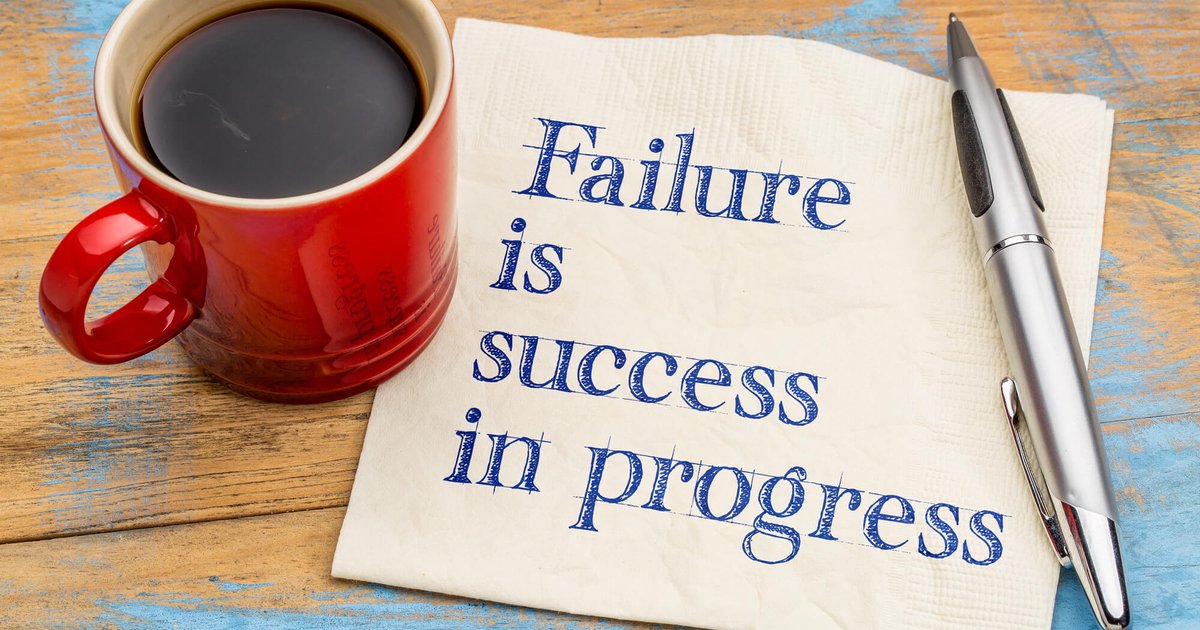
Failure is an inseparable part of life, contributing to the formation of success pathways. Often viewed as the end of the road, the truth is that it can be a new beginning filled with opportunities.
Failure teaches us a lot about ourselves and helps us understand our strengths and weaknesses. Through failed experiences, we gain valuable insights that enhance our ability to face future challenges.
Event Details
There are numerous examples of failure leading to significant successes. For instance, many well-known entrepreneurs faced multiple setbacks before achieving their successes. These experiences demonstrate that failure is not an obstacle but a necessary step towards reaching our goals.
When we fail, we acquire important lessons on how to improve our strategies. Failure stimulates creativity and encourages critical thinking, helping individuals develop new and innovative solutions.
Background & Context
In societies that encourage risk-taking, failure is seen as a natural part of the learning process. Education and training enhance individuals' ability to deal with failure positively. In many cultures, failure is viewed as a sign of courage, showcasing individuals' willingness to try new things.
Historically, failure was considered a flaw, but with the evolution of modern thought, people have begun to reevaluate the concept of failure. It is now seen as an opportunity for learning and growth, enhancing individuals' ability to adapt to rapid changes in the world.
Impact & Consequences
The impact of failure extends to all aspects of life, including professional and personal spheres. When individuals learn how to cope with failure, they become more resilient and stronger. This resilience helps them face future challenges with greater confidence.
Moreover, failure can affect social relationships. Individuals who accept failure are often more understanding and supportive of others during crises. This dynamic strengthens social bonds and contributes to building more cohesive communities.
Regional Significance
In the Arab region, failure is a sensitive topic, sometimes viewed as a stigma. However, there is an urgent need to change this perception. By fostering a culture that accepts failure, Arab communities can achieve remarkable progress in various fields, including education and innovation.
Encouraging individuals to try new things, even when outcomes are uncertain, can contribute to creating a more creative environment. This shift in mindset can help drive economic and social development in the region.
In conclusion, failure is not the end of the road but a part of the journey to success. By understanding failure as an opportunity for learning and growth, individuals and communities can achieve greater accomplishments. We must all embrace failure as part of our lives and use it as a motivation to achieve our goals.