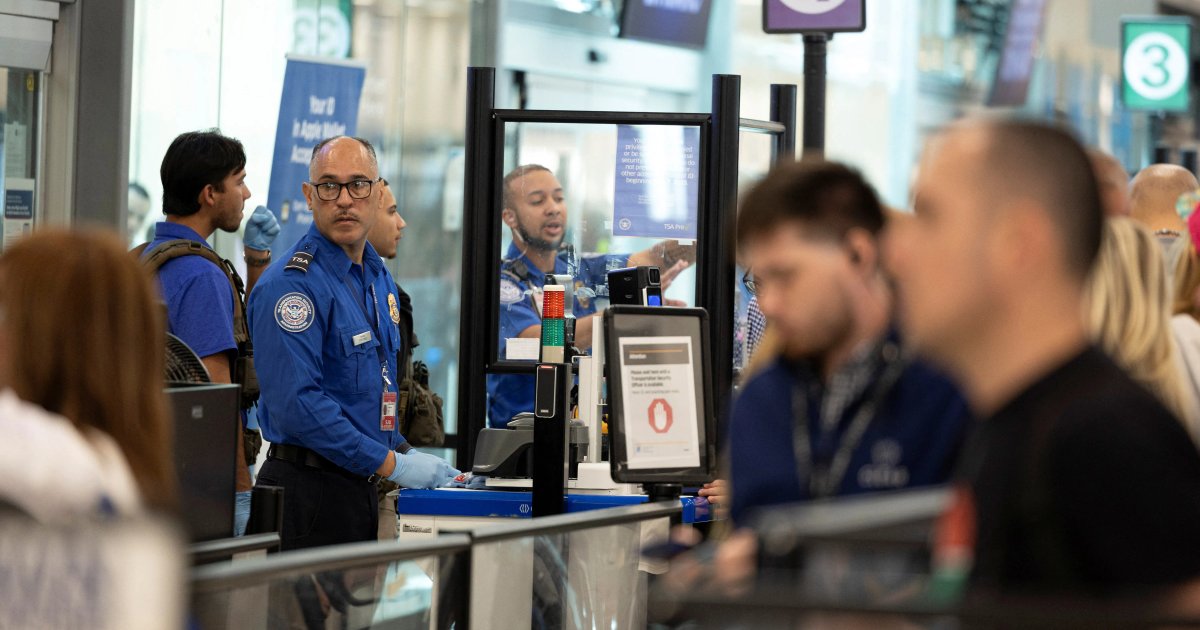
The U.S. Department of Homeland Security (DHS) has announced emergency measures to pay approximately 50,000 airport workers, aiming to address the financial crises faced by these employees. This decision comes at a critical time as economic pressures on the aviation sector, which has been significantly affected by the COVID-19 pandemic, continue to rise.
The department seeks to provide immediate support to workers suffering from delayed wages due to the financial challenges faced by airlines. This decision arises amidst growing concerns about job stability in the aviation sector, which is considered one of the vital sectors in the U.S. economy.
Details of the Announcement
The measures announced by the DHS include the payment of overdue wages, with amounts due to be disbursed immediately. This decision encompasses all workers at airports, including security personnel, maintenance workers, and customer service staff. The decision was made following increasing pressure from labor unions representing these workers, who have demanded improved working conditions and financial security.
This step comes after a series of crises that have plagued the aviation sector, including a reduction in flight numbers and rising operational costs, leading to staff reductions in many companies. This decision is seen as a swift response from the U.S. government to mitigate the impacts of these crises on workers.
Background & Context
The U.S. aviation sector has faced numerous challenges in recent years, from global economic crises to the COVID-19 pandemic, which resulted in the closure of many airports and the suspension of flights. As flights resume, workers have encountered new challenges related to psychological and financial pressures.
Historically, the aviation sector has relied heavily on seasonal labor, making workers vulnerable to economic fluctuations. This has led to increasing demands from labor unions for improved working conditions and financial security for workers, which the government is now attempting to address through these emergency measures.
Impact & Consequences
This decision is expected to have a positive impact on the morale of workers in the aviation sector, as it will help alleviate the financial pressures they are experiencing. Additionally, it may contribute to stabilizing the labor market in this vital sector, enhancing companies' ability to recover after crises.
On the other hand, the government may face new challenges in funding these measures, especially amid financial pressures on the public budget. This decision serves as a test of the government's ability to manage financial crises effectively.
Regional Significance
The situation in the U.S. aviation sector is particularly significant for the Arab region, as many Arab airlines have partnerships with U.S. airlines. Any changes in this sector could affect air transport between Arab countries and the United States.
Furthermore, the stability of the U.S. aviation sector could enhance tourism and travel between Arab countries and the United States, benefiting local economies in the region.
In conclusion, these emergency measures from the U.S. Department of Homeland Security reflect the government's commitment to supporting workers in the aviation sector, which may contribute to the stability of this vital sector in the future.