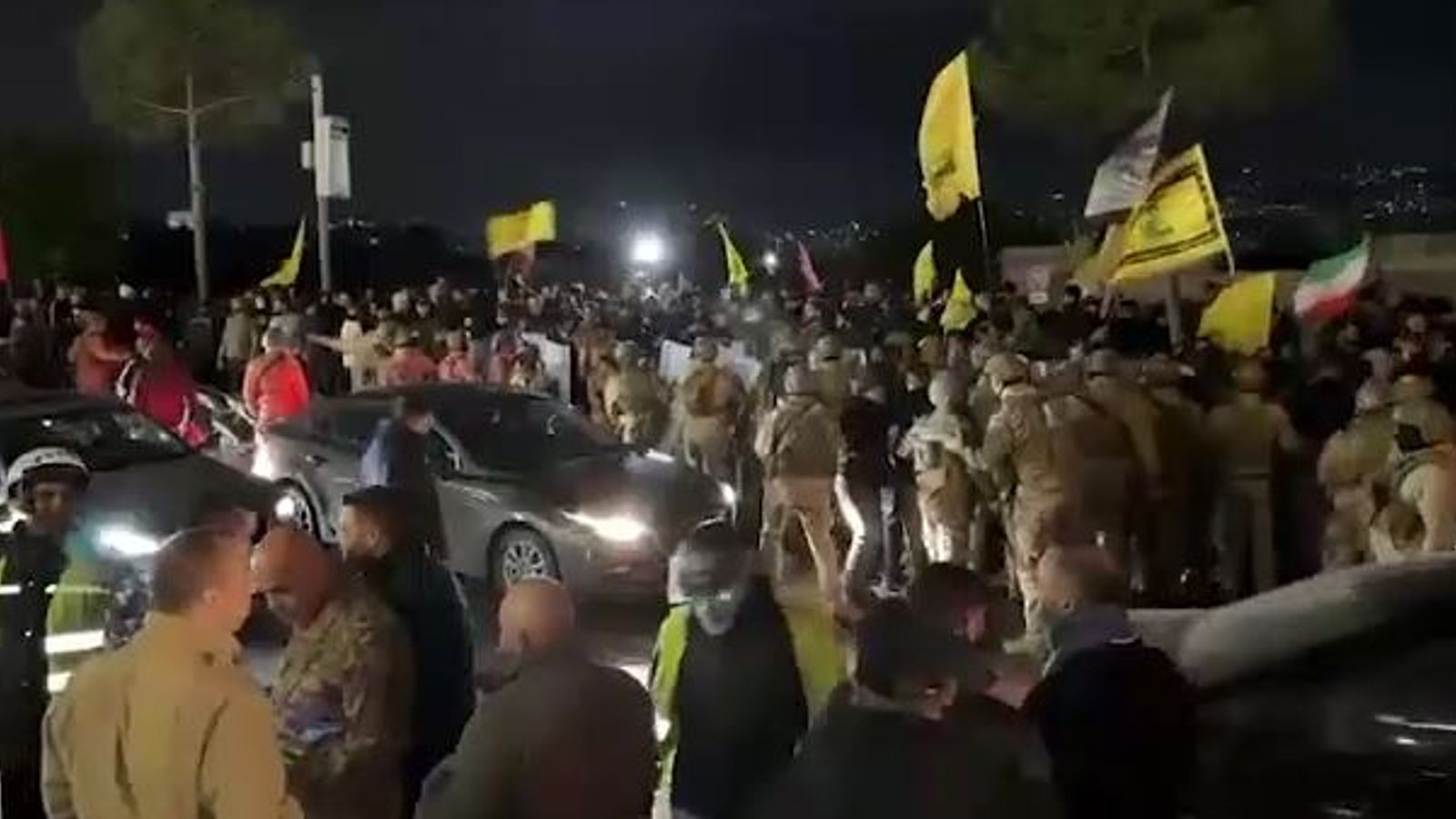
The United Nations Security Council convened an emergency session to discuss the situation in Lebanon, following the tragic killing of several peacekeeping forces in an unfortunate incident. The event, which occurred in a sensitive area, has raised international concerns regarding the stability of the region and the safety of UN missions.
This session comes at a critical time, as Lebanon is experiencing increasing political and security tensions, complicating the security situation in the country. Many observers have noted that this incident could negatively impact peace and stability efforts in the region.
Details of the Incident
In detail, reports indicate that peacekeeping forces were attacked while carrying out their duties in a troubled area of Lebanon. The attack resulted in the deaths of several soldiers, leading to widespread condemnation from the international community. Several countries expressed their condolences to the victims' families, emphasizing the importance of protecting peacekeeping forces while they carry out their missions.
There has also been a strong call for an investigation into the incident and for the perpetrators to be brought to justice. The UN Secretary-General has urged for enhanced security measures to protect UN missions in hot zones.
Background & Context
Historically, Lebanon has been a theater for numerous conflicts and disputes, making the presence of peacekeeping forces essential for maintaining stability. Since the end of the Lebanese Civil War in the 1990s, international forces have been deployed to monitor the situation and prevent the resurgence of conflict. However, the security situation in Lebanon remains fragile, with rising tensions among various political and sectarian factions.
In recent years, the country has witnessed an escalation of violence, leading to a deterioration of economic and social conditions. This attack on peacekeeping forces is part of a series of events that reflect the significant challenges Lebanon faces in maintaining security and stability.
Impact & Consequences
This incident serves as a wake-up call for the international community regarding the dangers faced by peacekeeping missions in conflict zones. It may lead to a reassessment of security and protection strategies for these forces, potentially affecting the effectiveness of peacekeeping operations in the future.
The killing of peacekeeping personnel could also contribute to increased tensions among the conflicting parties in Lebanon, which may exacerbate the security situation. Observers fear that these events could escalate violence, complicating peace efforts in the region.
Regional Significance
The repercussions of this incident extend beyond Lebanon, affecting regional security overall. Events in Lebanon often have implications for neighboring countries, especially given the tense conditions in the region. This incident may heighten concerns in neighboring nations about the potential spillover of violence and tensions into their territories.
The international community is called upon to play an active role in supporting Lebanon's stability by enhancing peace efforts and providing necessary support to peacekeeping forces. The stability of Lebanon is considered a crucial part of the overall stability of the Arab region.
In conclusion, the situation in Lebanon requires ongoing international attention, as any deterioration in conditions could negatively impact security and stability in the region. Protecting peacekeeping forces and ensuring their safety must be a priority for the international community.