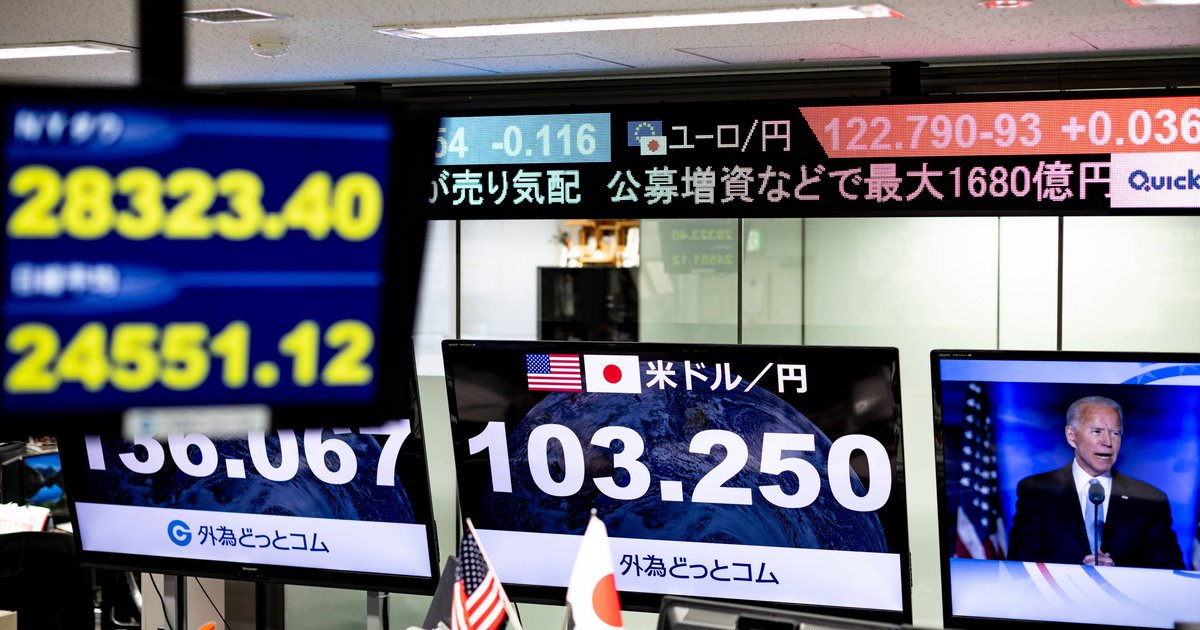
Emerging markets are encountering unprecedented challenges due to escalating geopolitical crises and fluctuations in the global economy. Reports indicate that emerging market debts, once considered popular investment choices, are now under significant pressure as conflicts and wars escalate.
While investors were previously eager to buy local currency bonds, these options are now turning into burdens amid continuous disputes, raising questions about the viability of these investments in the near future.
According to financial reports, many countries that rely on the lifecycle of local debt have been significantly affected, with remarkable declines in investor confidence observed in emerging markets. This decline can be seen in financial market data, especially in markets that have long been considered safe havens for investors seeking high returns.
On the other hand, a state of uncertainty has emerged that is detrimental to many investors, as their investment perceptions toward local bonds often clash with deteriorating global economic conditions. Moreover, geopolitical and economic tensions leave little room for optimism, complicating the ability to make investment decisions based on reliable information.
Historical contexts highlight the impact of economic crises and military conflicts on emerging markets. Over the decades, these countries have witnessed significant economic fluctuations due to wars and political tensions. It appears that external factors play a pivotal role in driving local investments toward unknown and uncertain territories.
The potential repercussions of this situation are evident. Investors are shifting towards safer investment portfolios, replacing emerging market bonds with U.S. dollars or even government bonds from countries with strong economies. This shift serves as a clear warning to both investors and governments, indicating that the era of prosperity may be coming to an end.
In the Arab context, many Arab countries are also experiencing similar pressures due to political and economic conditions. The ongoing crises in the Middle East and the rising conflicts in countries such as Syria, Libya, and Yemen are significantly impacting the sustainability of economic growth. The challenges these countries face in attracting foreign investments pose a major concern amid increasing competition for financial flows from emerging markets worldwide.
Recent innovations in the economy provide economic leaders in Arab countries with an opportunity to reassess their strategies. They can diversify their investment portfolios by leveraging modern technologies to attract new investments and seek sustainable partnerships with European and Asian markets.
In summary, the future of local debt in emerging markets appears uncertain, necessitating innovative strategies from governments and investors to navigate the current crisis. Therefore, the upcoming phase should be filled with deep analysis and thoughtful planning to enhance growth opportunities, especially under shifting global conditions.