Emerging markets witnessed a significant decline on Tuesday, distancing themselves from the record levels achieved earlier. This downturn was prompted by extensive sell-offs in technology stocks, coupled with rising oil prices that negatively affected investor sentiment.
These movements in the financial markets indicate increasing anxiety among investors, as major emerging market indices fell after a series of strong gains in recent weeks. This decline reflects concerns over potential negative impacts on global economic growth.
Details of the Event
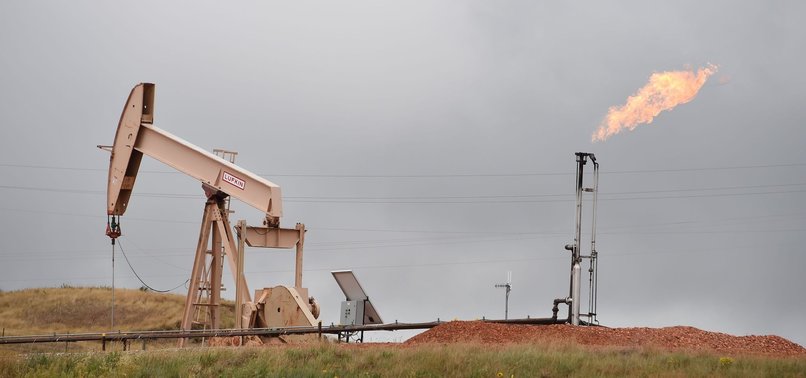
Emerging markets dropped significantly, particularly affected by sell-offs in the technology sector. Shares of major technology companies experienced sharp declines, impacting overall market performance. Simultaneously, oil prices recorded a notable increase, adding pressure to financial markets.
This decline comes after a period of record highs in emerging markets, where there was hope for continued positive momentum. However, sudden changes in oil prices and uncertainty in global markets have led to a decrease in confidence among investors.
Background & Context
Historically, emerging markets have experienced significant volatility due to various economic and political factors. In recent years, there has been a notable increase in foreign investments in these markets, contributing to their rising values. However, any downturn in global markets or spike in commodity prices, such as oil, can significantly impact these markets.
Emerging stock markets are sensitive to global economic changes, heavily relying on foreign investments. Thus, any decline in investor confidence can lead to negative capital flows, increasing pressure on these markets.
Impact & Consequences
The decline in emerging markets can have widespread implications for the global economy. When these markets falter, economic growth in developing countries may be affected, potentially leading to a slowdown in overall global economic growth. Additionally, rising oil prices can increase production costs, negatively impacting both companies and consumers.
Moreover, a decline in confidence in emerging markets may lead to increased volatility in global financial markets, potentially affecting the stability of the global financial system. Therefore, investors and analysts are closely monitoring these developments.
Regional Significance
The Arab region is part of the emerging markets, and thus any decline in these markets could impact its economies. Many Arab countries rely on foreign investments and growth in financial markets; therefore, a downturn in emerging stocks may lead to negative capital flows, increasing pressure on their economies.
Furthermore, rising oil prices can have a dual impact on the region. On one hand, it may lead to increased revenues for oil-producing countries, but on the other hand, it could raise production costs for oil-importing countries, affecting economic growth.
The decline in emerging markets due to technology sell-offs and rising oil prices reflects a state of concern in financial markets. Investors and analysts must closely follow these developments to understand their potential impacts on the global economy and Arab markets.