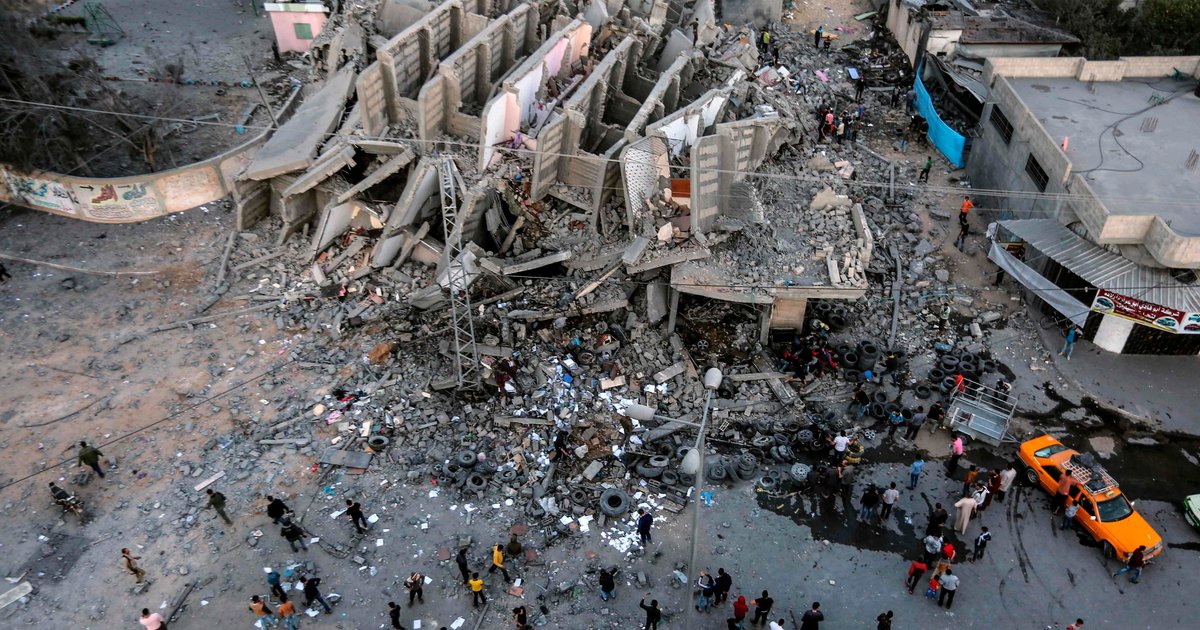
Emerging market assets have shown significant improvement during holiday trading, with stock and currency prices rising amid growing optimism among investors about the possibility of a ceasefire in the ongoing conflict in the Middle East. This optimism arises during a time of economic uncertainty worldwide, making investors more sensitive to any positive news.
Reports indicate that financial markets in developing countries have benefited from this news, as local currencies have appreciated against the US dollar, reflecting investor confidence in the stability of political and economic conditions. In this context, a ceasefire is seen as a crucial step towards achieving stability in the region, which could positively impact economic growth.
Details of the Event
These gains come as investors look for any signs of improvement in the Middle East, especially following recent escalations in tensions. Many analysts have expressed cautious optimism, noting that any progress towards peace could open doors for new investments in the region.
On the other hand, global markets continue to monitor the situation closely, as any negative developments could affect investor confidence. However, positive news regarding a ceasefire could enhance recovery prospects in emerging markets, as evidenced by rising stock indices.
Background & Context
Historically, the region has experienced numerous armed conflicts that have adversely affected the economy. Nevertheless, any steps towards peace could lead to improved economic conditions, providing developing countries with opportunities for growth and development. In recent years, there have been multiple attempts to reach peace agreements, but tensions have resurfaced repeatedly.
Emerging markets are among the most affected by political events, as political stability is a crucial factor in attracting investments. Therefore, any positive news regarding a ceasefire could enhance growth prospects in these markets.
Impact & Consequences
These developments carry significant implications for the global economy, as stability in the Middle East could contribute to improved trade relations between countries. Additionally, a stable situation in the region may lead to increased foreign investments, further boosting economic growth.
Moreover, emerging markets could witness a greater influx of capital, helping to bolster economic growth in these nations. Amid global economic challenges, any improvement in political conditions could have positive effects on financial markets.
Regional Significance
For Arab countries, any progress towards peace in the Middle East represents an opportunity to enhance economic and trade cooperation. A ceasefire could improve relations among Arab nations, contributing to stability and growth.
Furthermore, stability in the region could open doors for new investment projects, fostering economic development. Thus, hope for a ceasefire represents a genuine opportunity for Arab countries to achieve growth and prosperity.
In conclusion, hope remains pinned on the possibility of reaching a ceasefire agreement in the Middle East, as this could bring new opportunities for growth and development in emerging markets, positively impacting the global economy.