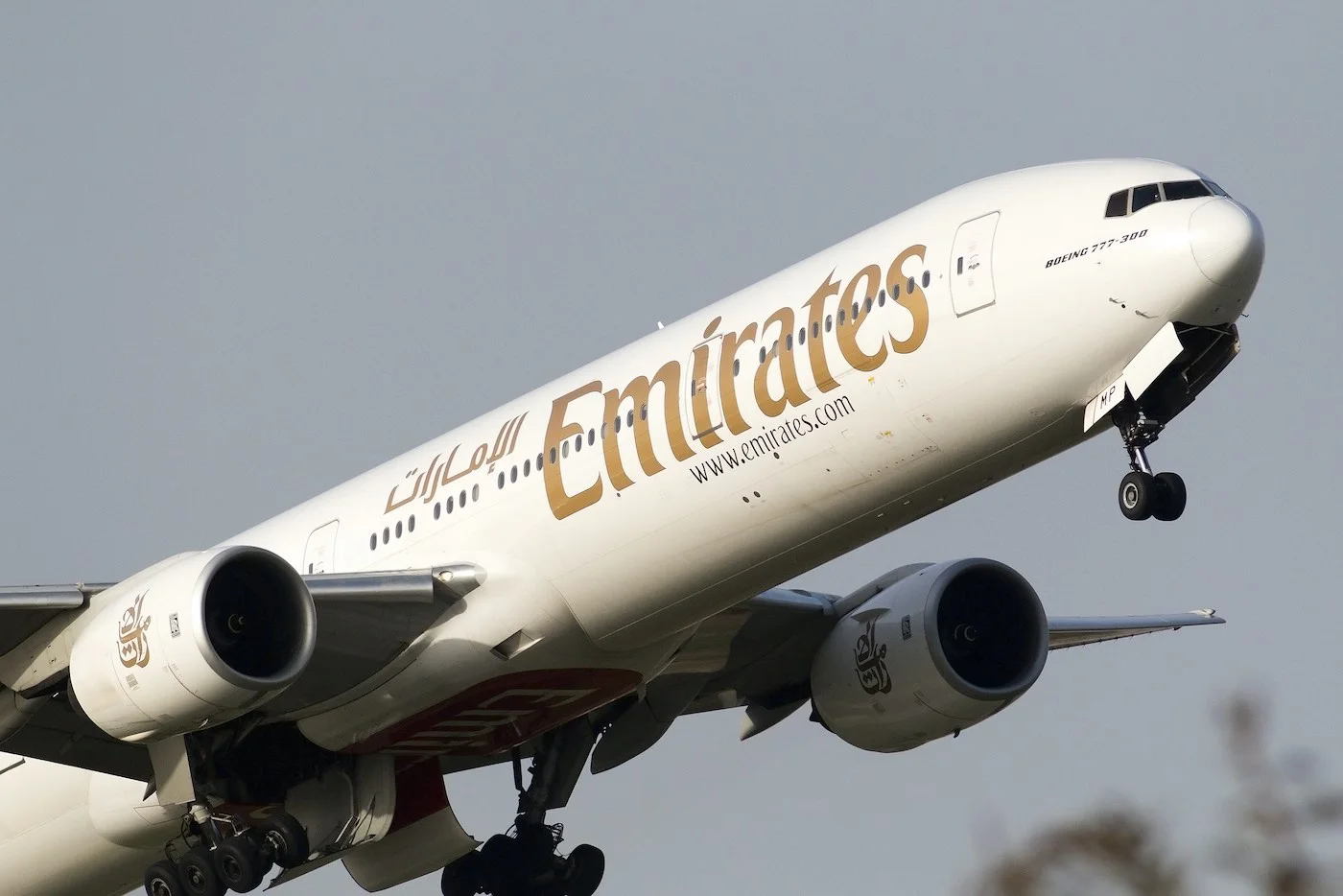
Emirates Airlines is experiencing increasing financial pressure due to soaring war insurance costs, currently paying an additional $100,000 weekly to insure its flights. While other airlines face significantly higher costs, this raises questions about how these expenses will impact the aviation industry in the region.
As one of the largest airlines in the world, Emirates plays a crucial role in connecting the Middle East to the rest of the globe. With rising geopolitical tensions, particularly in areas such as the Middle East and Eastern Europe, airlines are forced to confront new challenges related to flight insurance.
Details of the Situation
Under the current circumstances, it appears that insurance companies have begun to raise aircraft insurance prices due to the increasing risks associated with armed conflicts. Emirates, based in Dubai, is currently paying an additional $100,000 weekly, which is considered a significant amount compared to other airlines that may face much higher costs.
This increase in costs comes at a sensitive time for the aviation industry, which is still trying to recover from the impacts of the COVID-19 pandemic. This has exacerbated the financial burdens on companies, making it difficult for them to maintain competitive pricing.
Background & Context
Historically, airlines have relied on war insurance as part of their risk mitigation strategies. However, recent geopolitical events, including conflicts in Ukraine and the Middle East, have led to an increase in risks, prompting insurance companies to take more cautious steps in pricing.
In recent years, the region has witnessed a rise in military tensions, directly affecting the aviation industry. These conditions have heightened concerns about flight safety, leading insurance companies to reevaluate their policies and pricing.
Impact & Consequences
The increase in insurance costs could have negative effects on the aviation industry as a whole. Airlines may be forced to raise ticket prices to cover these costs, potentially leading to a decline in demand for air travel. This could also impact expansion and growth plans that companies were pursuing.
Furthermore, this rise in costs may exacerbate the financial challenges faced by airlines, especially amid fierce market competition. Companies may find themselves compelled to make tough decisions regarding cost-cutting or reducing the services offered.
Regional Significance
The aviation industry in the Arab region is a vital sector contributing to the economy. With rising tensions and increasing insurance costs, travel and tourism flows may be significantly affected. This could lead to a decline in the number of tourists coming to the region, adversely impacting local economies.
Additionally, the increase in insurance costs may deter investments in the aviation sector, impacting job opportunities and economic growth in the region. Therefore, it is crucial for Arab countries to collaborate to alleviate these pressures and improve the business environment in this vital sector.