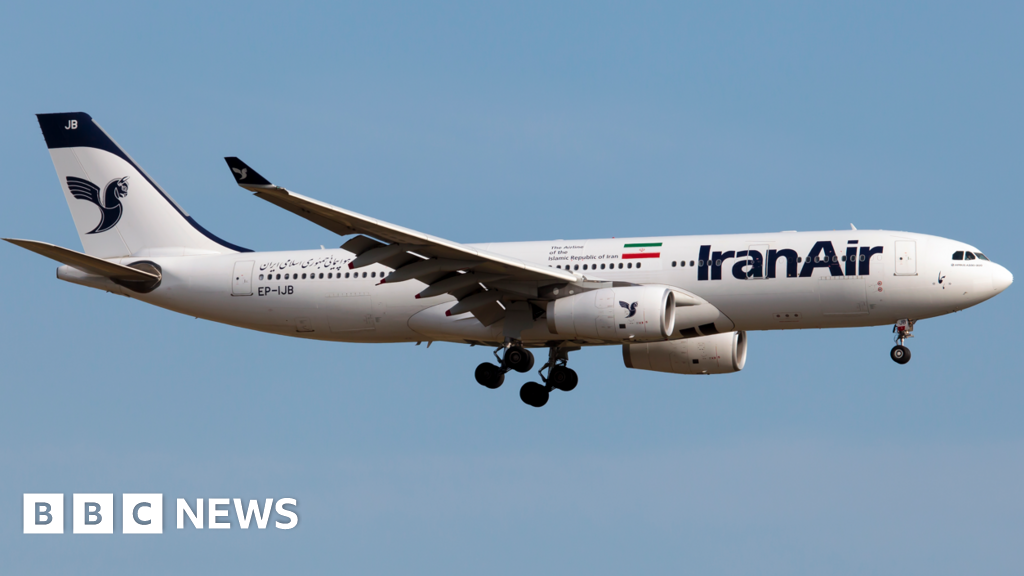
Emirati airlines have recently announced a decision that prohibits the entry of Iranians or allows them to transit through their territories. This step comes as part of the rising political tensions in the region, where the security situation in the Middle East is rapidly evolving.
These measures are part of the UAE's policy towards Iran, which has seen increasing tensions in recent years, especially following the United States' withdrawal from the Iranian nuclear deal and the imposition of economic sanctions on Tehran. These policies have affected the relations between the UAE and Iran, prompting airlines to take precautionary measures.
Details of the Decision
The policy of Emirati airlines includes preventing Iranians from traveling to international destinations via UAE territories, meaning that any Iranian traveler wishing to fly to other countries must seek alternative options. This decision raises questions about its impact on travel and trade between Iran and the UAE, which is considered one of the major commercial hubs in the region.
This move comes at a time when relations between the two countries are increasingly strained, as they exchange accusations regarding support for armed groups in the region. The UAE has expressed concern over Iranian activities in the Arabian Gulf, further intensifying tensions.
Background & Context
Historically, relations between the UAE and Iran have been tense, particularly following Iran's occupation of three islands in the Arabian Gulf. These islands, which the UAE considers part of its territory, have been a major source of disputes between the two countries. Additionally, political events in the region, such as the conflicts in Yemen and Syria, have contributed to widening the gap between the UAE and Iran.
Moreover, regional and international alliances play a significant role in shaping these relations. The UAE, as part of the Arab coalition, supports efforts to counter Iranian influence in the region, complicating the situation further.
Impact & Consequences
This step could lead to a reduction in travel and trade between Iran and the UAE, negatively affecting both economies. The UAE is a crucial commercial center for many Iranian companies, and these restrictions may result in a decline in Iranian investments in the UAE.
Furthermore, this decision could contribute to escalating tensions between the two countries, potentially leading to reciprocal reactions. If Iran takes similar steps, it could exacerbate security conditions in the region.
Regional Significance
This move serves as an indicator of the increasing tensions in the Gulf region and may affect relations between Arab countries and Iran in general. Other Arab nations might adopt similar policies, increasing Iran's isolation on the regional stage.
This situation could negatively impact peace and stability efforts in the region, as countries need to cooperate to face common challenges. Additionally, these tensions may affect regional security, necessitating international community intervention for mediation.
In conclusion, the decision by Emirati airlines to ban the entry of Iranians or their transit through their territories reflects the escalating tensions in the region and raises questions about the future of UAE-Iran relations. Under these circumstances, there remains hope that the concerned parties can find diplomatic solutions to ease tensions.