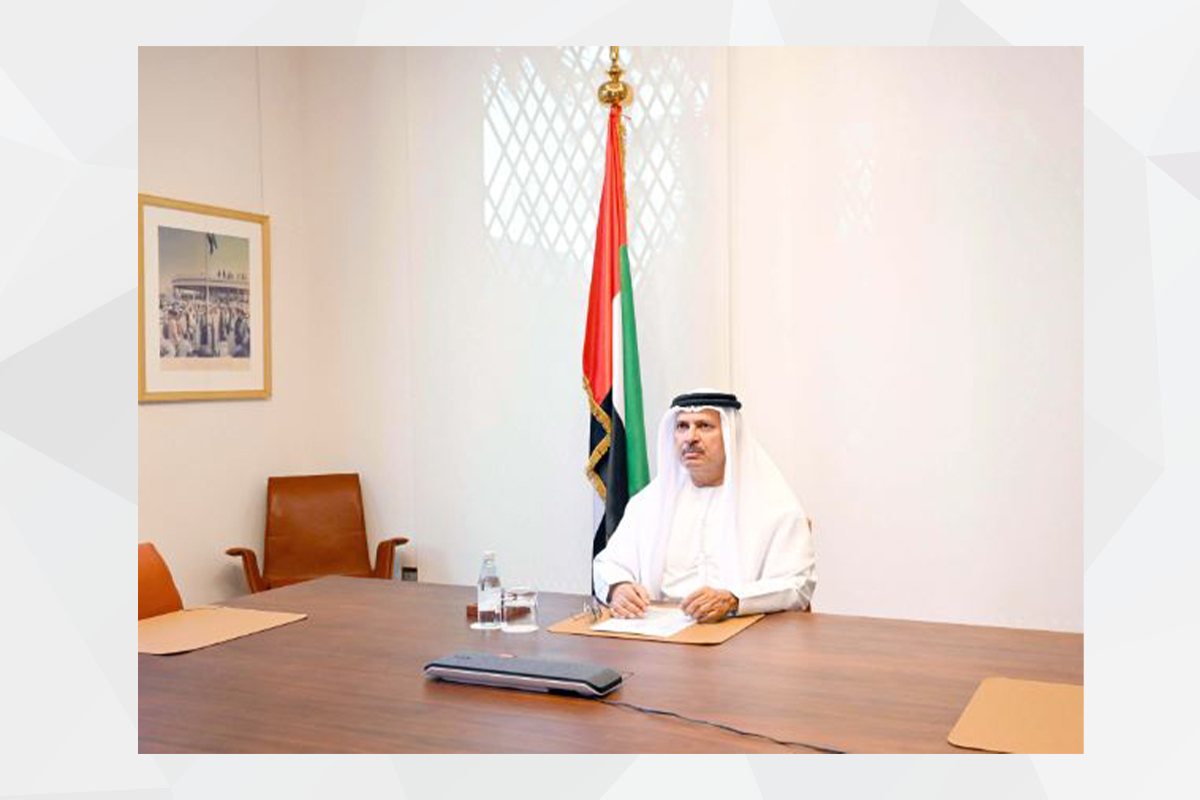
Emirati Minister of State for Foreign Affairs, Anwar Gargash, confirmed that Iranian media relies on outdated propaganda that no longer fits the contemporary reality. These statements were made during a press conference in Abu Dhabi, where Gargash discussed the impact of this propaganda on regional and international relations.
Gargash pointed out that Iran continues to use outdated propaganda methods, reflecting its inability to adapt to current geopolitical changes. He noted that this strategy does not contribute to enhancing security and stability in the region but rather exacerbates existing tensions.
Details of the Event
During the conference, Gargash addressed several key points regarding the context of Iranian discourse, indicating that Iran's use of old propaganda reflects its lack of understanding of the new challenges facing the region. He also mentioned that this propaganda does not reflect the actual reality of events but aims to promote a specific image of the Iranian regime.
Gargash emphasized the importance of enhancing regional and international cooperation to address the challenges posed by Iran, stressing the need for Arab countries to adopt a unified approach in dealing with these issues. He clarified that the UAE is always striving to promote dialogue and understanding among countries in the region.
Background & Context
Historically, Iran has used media as a tool to enhance its regional influence, relying on strong propaganda to market its policies and ideas. However, these strategies are no longer as effective as they once were, especially with the emergence of new media and changing news consumption patterns.
These statements are part of the UAE's efforts to strengthen its position in the region, as it seeks to build strong alliances with other countries to face common challenges. Additionally, these remarks come at a sensitive time when the region is experiencing increasing tensions, particularly with the rise of Iranian military activities in various areas.
Impact & Consequences
Gargash's statements indicate a growing concern among Arab countries regarding Iranian policies, which are perceived as a threat to regional security. The use of outdated propaganda by Iran may exacerbate existing crises, necessitating a response from Arab nations.
These statements could potentially lead to enhanced cooperation among Arab countries to address security challenges, as there may be calls for greater coordination in defense policies. Furthermore, these remarks could open the door for more discussions on how to effectively deal with Iran.
Regional Significance
These statements serve as an indicator of the increasing tensions between Iran and Arab countries, as each party seeks to strengthen its position in the region. At the same time, these remarks may motivate Arab nations to enhance their security and economic cooperation to confront shared challenges.
In conclusion, Gargash's statements reflect the urgent need to adopt new strategies to deal with Iran, as the current situation requires a coordinated response from Arab countries to address the security and political challenges posed by Iran.