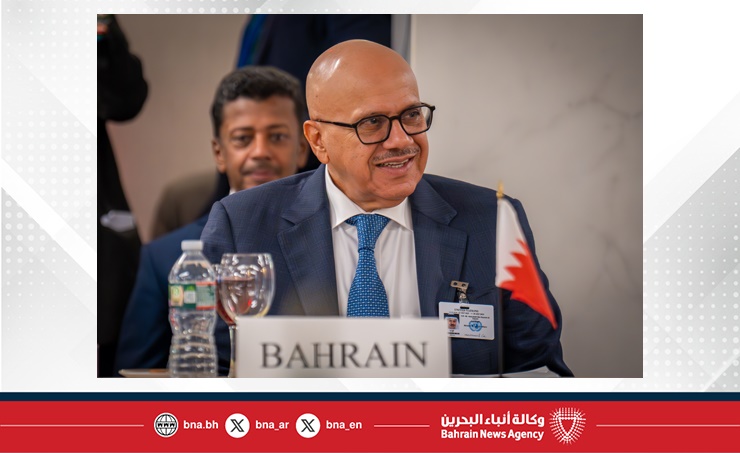
Egyptian Foreign Minister Sameh Shoukry affirmed that dialogue is the fundamental means to avoid regional chaos, highlighting the importance of cooperation among countries to achieve stability in the region. These statements were made prior to a quadrilateral meeting that will bring together the foreign ministers of Egypt, Jordan, Iraq, and Saudi Arabia, aimed at discussing the current conditions in the Middle East.
Shoukry stressed the necessity of enhancing coordination among Arab countries to confront increasing challenges, such as armed conflicts and humanitarian crises affecting several nations. He also noted that constructive dialogue could contribute to finding peaceful solutions to disputes and bolster opportunities for peace and stability.
Details of the Upcoming Meeting
The upcoming quadrilateral meeting is set to take place at a highly sensitive time, as the region is witnessing numerous crises, including the Israeli-Palestinian conflict and the situations in Syria and Libya. The meeting aims to explore ways to enhance cooperation among the four countries and coordinate efforts to tackle common challenges.
Ministers are also expected to address security and economic issues during the meeting, as well as how to strengthen relations among Arab nations under the current circumstances. This meeting presents an opportunity to exchange views on how to enhance regional security and activate the role of Arab states in resolving conflicts.
Background & Context
Historically, the Arab region has experienced numerous crises that have led to widespread chaos and instability. Since the onset of the Arab Spring in 2011, armed conflicts have escalated in several countries, exacerbating humanitarian conditions. In this context, the importance of dialogue emerges as a means to reach peaceful solutions and enhance cooperation among Arab nations.
Moreover, relations among Arab countries have been significantly affected by recent events, necessitating the rebuilding of trust among these nations. Previous experiences have shown that dialogue can have a positive impact on situations, as seen in some cases where peace agreements were reached.
Impact & Consequences
If the quadrilateral meeting succeeds in achieving its objectives, it could lead to enhanced stability in the region and provide a renewed impetus for peace efforts. Additionally, cooperation among Arab countries could contribute to addressing security and economic challenges, strengthening these nations' ability to confront crises.
On the other hand, failure to achieve tangible results from the meeting may exacerbate conditions and increase tensions among countries. Therefore, the success of the dialogue depends on the political will of the involved states and their ability to overcome differences.
Regional Significance
The situations in the Arab region are closely interconnected, as any crisis in one country can affect neighboring nations. Thus, enhancing dialogue and cooperation among Arab countries is essential for achieving regional stability.
Furthermore, the success of the quadrilateral meeting could pave the way for further meetings and Arab initiatives, enhancing the capacity of countries to work together to face challenges. If positive outcomes are achieved, this could contribute to improving humanitarian conditions in conflict-affected nations.
In light of the current circumstances, dialogue remains the optimal choice to avoid regional chaos. The success of this dialogue relies on the political will of the involved states and their ability to transcend differences for a better future for the region.