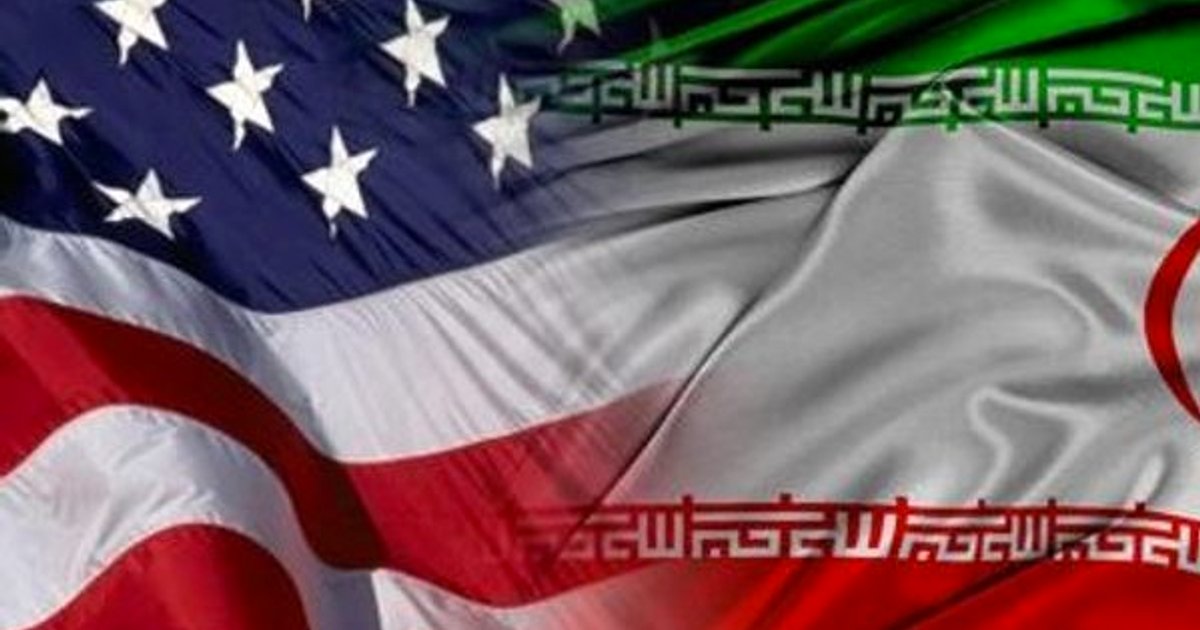
Rafael Grossi, the head of the International Atomic Energy Agency, stated that the damage inflicted on Iranian nuclear facilities due to the U.S.-Israeli attack is "not critical." He pointed out that the Iranian nuclear program was not the primary target of the attacks, unlike what occurred during the 12-day war in June of last year.
In an interview with the Italian newspaper Corriere della Sera, Grossi explained that Iran possesses approximately 400 kilograms of uranium enriched to 60%, primarily concentrated in the facilities at Isfahan and Natanz. This level of enrichment is close to military use, which he described as "concerning," as no non-nuclear state enriches at this level.
Details of the Event
Grossi emphasized that the solution must be diplomatic rather than military, highlighting the possibility of talks this week between Tehran and Washington in Islamabad. He anticipated that the upcoming negotiations would be broader in scope, not limited to the nuclear file but also including missiles and "Iranian allied militias" and security guarantees. He also suggested that the Americans might enter the negotiations with a more hardline stance, potentially demanding "zero enrichment."
Grossi noted that three weeks of war have had significant repercussions on Iran, causing damage to its economic infrastructure and the energy and production sectors, which could influence the nature of the upcoming negotiations.
Background & Context
Since February 28, Israel and the United States have been conducting attacks on Iran, resulting in the deaths of hundreds, including Supreme Leader Ali Khamenei and security officials. In response, Tehran has launched missiles and drones towards Israel and targeted what it claims are American interests in the region. However, these attacks have led to casualties and damage to civilian facilities, which have been condemned by the targeted countries.
Concerns are growing over escalating tensions in the region, especially as Iran's nuclear program continues to develop, presenting new challenges for the international community that require a swift and effective response.
Impact & Consequences
The repercussions of these events extend beyond Iranian borders, affecting regional stability and increasing tensions between major powers. The continued advancement of Iran's nuclear program in this manner could lead to an arms race in the region, threatening regional security and peace.
Moreover, military escalation could reshape alliances in the Middle East, as countries may be forced to reassess their security and defense strategies in light of increasing threats.
Regional Significance
Neighboring Arab countries find themselves in a sensitive position, as they are directly affected by the ramifications of these tensions. Any military escalation could negatively impact security and stability in the region, necessitating Arab nations to enhance their security cooperation and develop joint strategies to confront the challenges.
In conclusion, diplomatic solutions remain the optimal choice to avoid further escalation, and the international community must work diligently to achieve this goal.