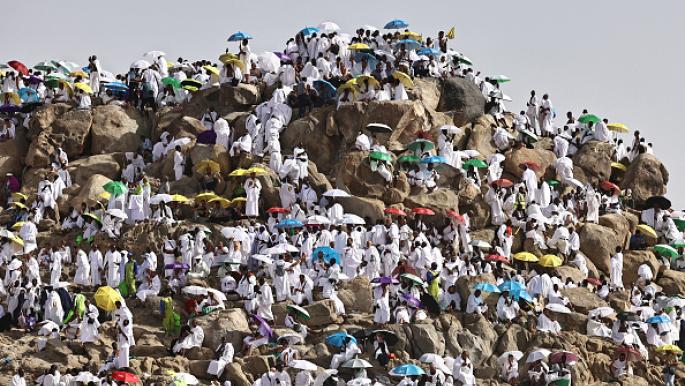
In his sermon on the Day of Arafah, Sheikh Ali Al-Hudhaifi stated that "Hajj is a pure obligation to Allah, with no room for political slogans or party calls." These remarks come at a sensitive time when Muslims around the world are facing issues related to rights and justice.
The Day of Arafah sermon is one of the most significant religious occasions that gathers Muslims from various nationalities in Mecca. Pilgrims are accustomed to listening to the sermon, which addresses important religious and social topics. However, Sheikh Al-Hudhaifi's words highlighted the necessity of preserving the spirit of Hajj as a pure act of worship.
Details of the Event
Sheikh Al-Hudhaifi spoke about the importance of Hajj as a spiritual act that requires Muslims to focus on their relationship with Allah, away from any political affiliations. He emphasized that Hajj should be an occasion for drawing closer to Allah, not a battleground for political conflicts or party expressions.
This stance reflects a traditional view held by some scholars who believe that religion should remain separate from politics, especially during major religious occasions. This statement has elicited mixed reactions among Muslims, with some arguing that it is essential to address political and social issues during such gatherings.
Background & Context
Historically, the sermons on the Day of Arafah have varied in the topics addressed, ranging from spiritual and ethical issues to social and political matters. With the increasing challenges facing the Islamic world, including conflicts and wars, it has become essential to discuss these issues during such occasions.
In recent years, some Day of Arafah sermons have tackled issues such as human rights, social justice, and equality among Muslims. Nevertheless, Sheikh Al-Hudhaifi's remarks reinforce the necessity of separating worship from politics, reflecting a traditional perspective that may be contentious in the current context.
Impact & Consequences
Sheikh Al-Hudhaifi's statements may influence how political issues are addressed in religious discourse, particularly during major events. These remarks could prompt some scholars and preachers to reconsider how to integrate social and political issues into their sermons.
On the other hand, some political and religious groups may view these statements as an opportunity to bolster their positions, potentially leading to further divisions among Muslims regarding how to handle contemporary issues.
Regional Significance
Amid the multiple crises facing Arab countries, there may be an urgent need to discuss political and social issues during religious occasions. However, Sheikh Al-Hudhaifi's statements may reflect a desire to maintain spiritual unity among Muslims, away from political divisions.
Preserving the spirit of Hajj as a pure act of worship could positively impact enhancing unity among Muslims, especially in light of the challenges they face. However, ignoring political issues may exacerbate the problems Muslims encounter worldwide.