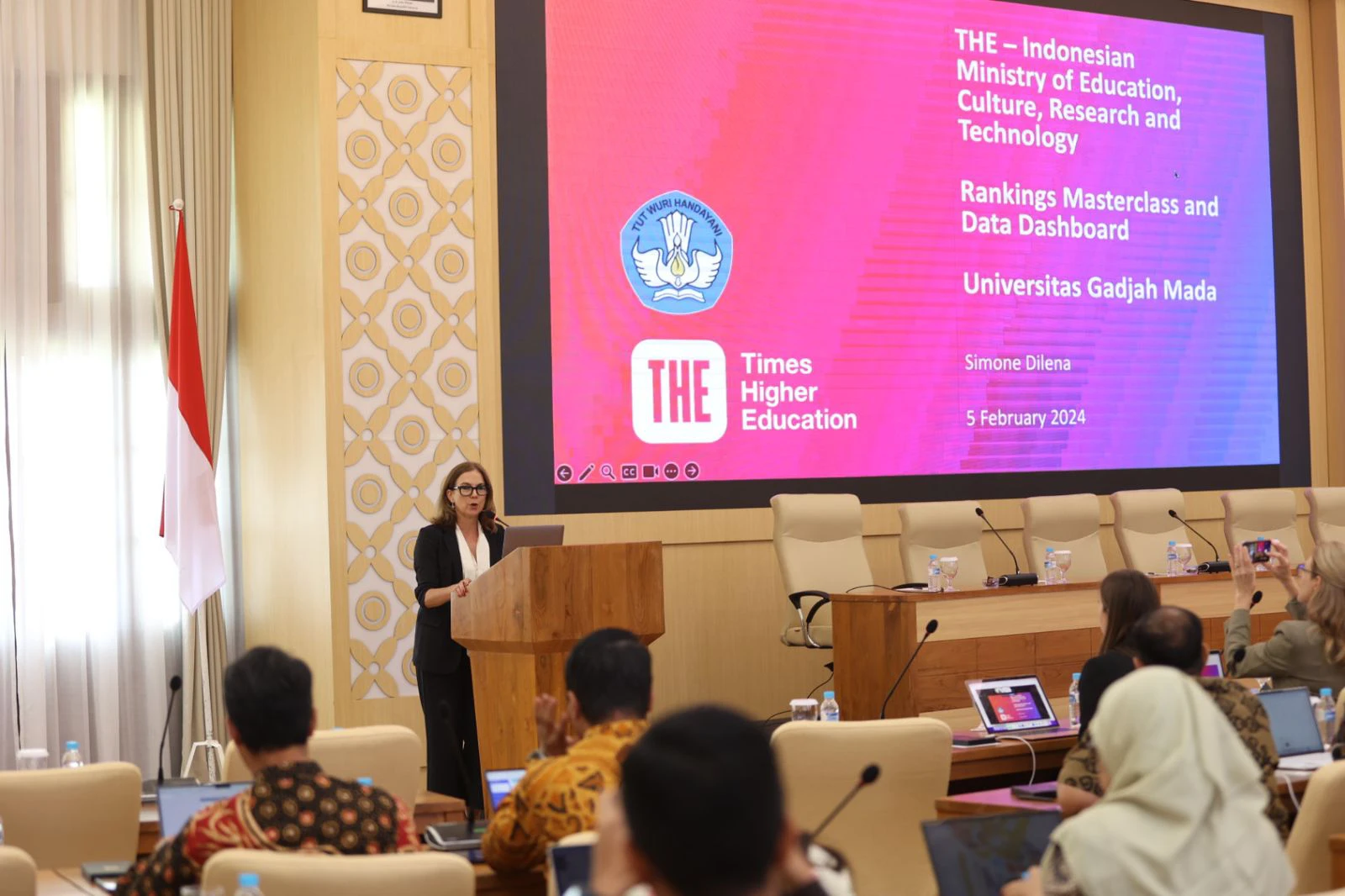
Yosharto Hentuyongo, head of the Indonesian Agency for Internal Policy Strategies, emphasized the importance of strengthening cooperation between the central and local governments and universities to ensure effective implementation of public policies. This statement was made during a national seminar held in Jakarta, where he pointed out that the Indonesian government is working on implementing priority national programs.
Hentuyongo explained that the success of these programs heavily relies on strong coordination between central planning and local execution. He affirmed that the government aims to achieve the Indonesia 2045 vision, which includes enhancing food and energy security, improving the quality of human resources, and achieving inclusive economic growth.
Event Details
Hentuyongo's remarks came during a seminar titled "Bridging the Gap in Local Public Policies: Coordination Between the Center and Provinces, Budget Efficiency, and Enhancing Implementation Capacities," organized by Singaperbangsa Karawang University. The seminar addressed the challenges faced by the government in coordinating policies between the center and the provinces, including inefficiencies in coordination standards and the quality of data used in decision-making.
He noted that there are gaps in capabilities between policymakers and implementers, which affects the effectiveness of field execution. He stressed the need to enhance evidence-based policies by providing reliable data and developing analysts' capabilities in the regions.
Background & Context
Indonesia is one of the largest countries in Southeast Asia, facing significant challenges in economic and social development. Since its independence, the Indonesian government has implemented a series of policies aimed at improving living standards and promoting economic growth. However, there remain substantial gaps between central policies and local implementation.
The Indonesia 2045 vision, which aims to transform the country into a developed nation, requires concerted efforts from all stakeholders, including the government and universities. Previous experiences have shown that cooperation between these entities can contribute to enhancing the effectiveness of public policies.
Impact & Consequences
The current challenges in Indonesia require a swift and effective response from both central and local governments. Strengthening cooperation between these entities can lead to improved budget efficiency and increased effectiveness of government programs. Additionally, the involvement of universities in this cooperation can contribute to providing accurate data and scientific analyses that support decision-making.
Moreover, innovation in local policies can help bridge the gaps between the center and provinces, enhancing the government's ability to respond better to citizens' needs. Improving budget management and providing a conducive investment environment can strengthen the government's capacity to achieve its developmental goals.
Regional Significance
Indonesia's experience in enhancing cooperation between the government and universities can serve as a model for Arab countries. Many Arab nations face similar challenges in coordinating policies between the center and provinces. Strengthening cooperation between government entities and universities can contribute to improving the effectiveness of public policies and achieving sustainable development.
In conclusion, cooperation between the government and universities represents a crucial step toward achieving developmental goals. Enhancing this cooperation can improve the quality of life for citizens and strengthen countries' abilities to face future challenges.