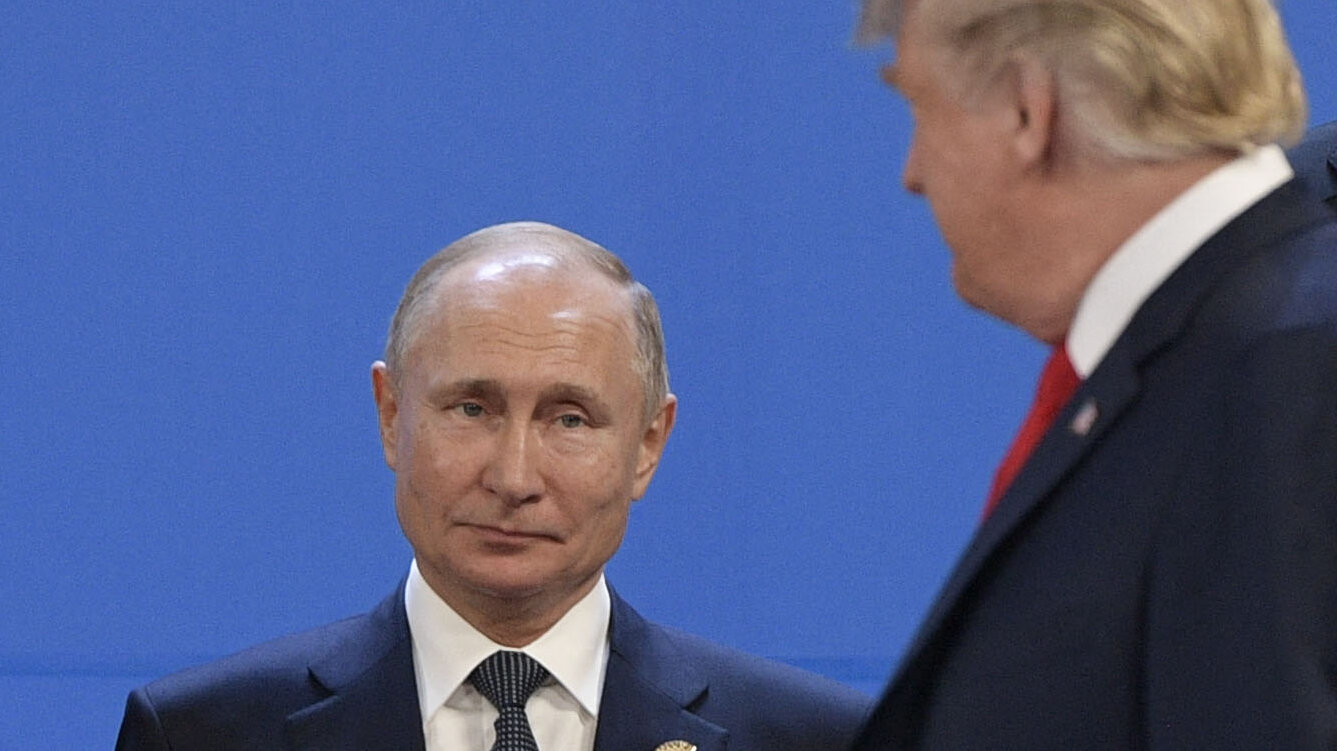
Egyptian President Abdel Fattah el-Sisi emphasized the importance of de-escalation in the Middle East during a phone call with his Russian counterpart, Vladimir Putin. This call comes at a time when the region is witnessing increasing tensions, necessitating international cooperation to ensure stability and peace.
El-Sisi pointed out the need for effective steps to calm the situation, especially in light of the multiple crises affecting the region, including the Israeli-Palestinian conflict and the situations in Syria and Libya. He also stressed the importance of dialogue as a means to resolve conflicts and achieve regional security.
Details of the Event
This phone call comes at a sensitive time, as many countries in the Middle East are experiencing rising tensions, threatening security and stability. El-Sisi and Putin discussed ways to enhance cooperation between their countries in various fields, including security and counter-terrorism.
The conversation also touched upon the humanitarian situations in conflict-affected areas, where El-Sisi called for urgent support for civilians affected by these crises. Putin, for his part, expressed Russia's support for Egypt in its efforts to achieve stability in the region.
Background & Context
Historically, the Middle East has witnessed numerous crises that have exacerbated humanitarian and political conditions. The Israeli-Palestinian conflict, for example, is one of the most pressing issues that requires a comprehensive and just solution. Additionally, the situations in Syria and Libya represent significant challenges to regional security.
Egypt has always sought to play a mediating role in these crises, believing that dialogue and understanding are the best ways to resolve conflicts. Cairo has proven its ability to bring together different parties in talks aimed at achieving peace.
Impact & Consequences
De-escalation in the Middle East has positive implications for both regional and international security. As tensions rise, so do the risks to the national security of neighboring countries. Therefore, cooperation between major powers like Egypt and Russia can contribute to achieving stability.
This cooperation may also open the door to new initiatives aimed at addressing lingering issues, thereby enhancing the prospects for peace in the region. It is crucial that these communications between leaders continue to build trust and establish strategic partnerships.
Regional Significance
This call between El-Sisi and Putin is an important step towards enhancing Arab-Russian cooperation, which could contribute to achieving a balance of power in the region. Furthermore, Russia's support for Egypt in its stabilization efforts can positively reflect on the relationships between Arab countries and Russia.
In the current circumstances, Arabs need more cooperation and solidarity to face common challenges. Strengthening relations with major powers like Russia can provide additional support for Egypt and other Arab countries in their pursuit of security and development.
In conclusion, the phone call between El-Sisi and Putin reflects the importance of international cooperation in addressing the challenges facing the Middle East. It is essential that these efforts continue to achieve peace and stability in the region.