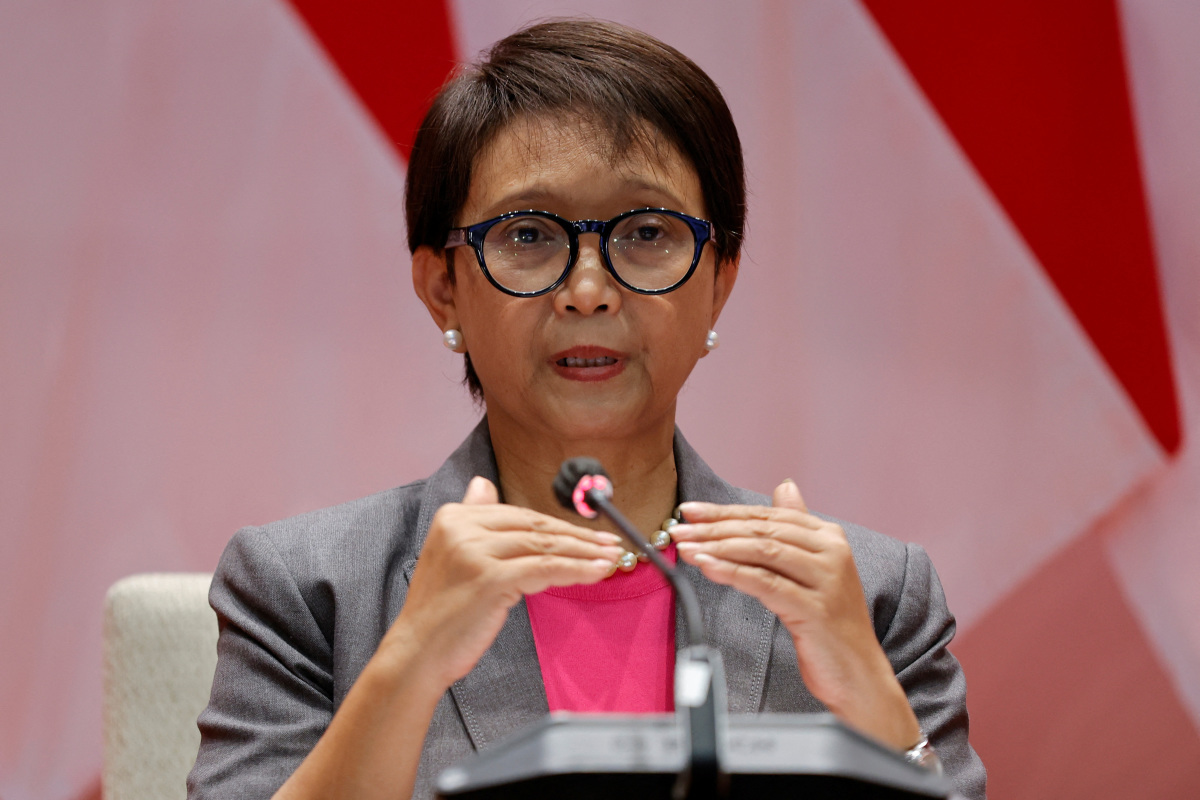
Indonesian Minister of Women's Empowerment and Child Protection, Arifa Fauzi, emphasized the necessity of providing a safe educational environment for children in schools, highlighting the importance of protecting children from bullying and negative practices that may affect their growth and development. This statement was made during her visit to a childcare school in Ponorogo, where she reaffirmed the significance of education as a fundamental right for every child.
The minister stated: "Schools must be safe places that support children in their learning and development and help build their characters positively. I hope that students benefit from the educational opportunities available in childcare schools."
Event Details
During her visit, the minister inspected various educational facilities at the Integrated Childcare School 5 in Ponorogo, located in East Java. She reviewed facilities such as dormitories and classrooms used for educational activities.
The minister confirmed that the educational environment at the childcare school in Ponorogo is child-friendly and supports their growth ideally. She added: "The location is comfortable, the air is clean, and the facilities are good. Children can learn comfortably, as they receive three meals a day along with two snacks. The facilities in this school represent a good model."
Background & Context
The childcare school is a free educational program dedicated to children from poor families and those suffering from extreme poverty. This program aims to break the cycle of poverty and provide an educated and qualified generation through high-quality education equivalent to primary and secondary education.
This initiative is part of the Indonesian government's efforts to provide education for all, which began under the auspices of the Indonesian president, who pays great attention to children's rights. The minister expressed her pride in witnessing the enthusiasm of the children in this school, noting that child-friendly and community-based education can be highly effective.
Impact & Consequences
This initiative highlights the importance of education as a means of social and economic development, as providing a safe and healthy educational environment for children can contribute to improving the quality of education and enhance future success opportunities. These efforts also reflect the Indonesian government's commitment to protecting children's rights and providing equal opportunities for them.
These steps are part of a broader strategy aimed at enhancing education in Indonesia, which could positively impact society as a whole by reducing poverty rates and increasing job opportunities.
Regional Significance
Education and child protection issues are also vital in the Arab region, where many countries face similar challenges related to quality and safe education for children. Indonesia's experience in establishing child-friendly schools can serve as a model for Arab countries, as it may contribute to improving educational environments and enhancing children's rights.
In conclusion, this news represents a call to reflect on how to improve education and protect children worldwide, including in the Arab world, where investing in education is an investment in the future.