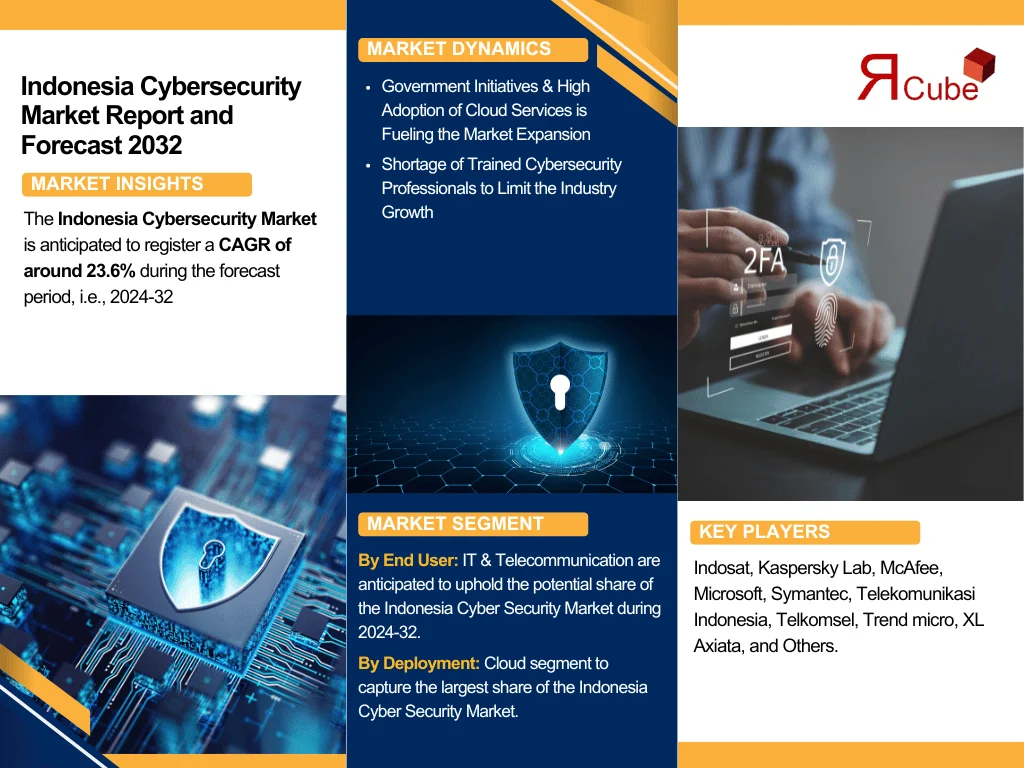
Kaspersky's director in Indonesia, Devi Novitra, emphasized that training human resources is vital for strengthening cybersecurity in the country. He pointed out a shortage of specialized digital talents in this field, posing a threat to companies amid rising cyberattacks.
During a press conference in Jakarta, Novitra explained that Indonesia faces significant challenges in cybersecurity, as the number of specialists in this field remains limited. He affirmed that education in this area needs substantial development to meet the growing market demands.
Event Details
Novitra reported that Indonesia lacks a sufficient number of universities offering specialized cybersecurity programs, with Telkom University in Bandung being one of the few that provide this specialization. He also noted that most professionals in this field come from educational backgrounds unrelated to cybersecurity, such as electrical or mechanical engineering, which undermines their ability to tackle the increasing challenges in this area.
According to Kaspersky reports, the number of new malware appearing daily worldwide reaches 370,000 programs, and this number is expected to rise to 500,000 by 2025. In Indonesia, more than 14 million cyberattacks were recorded in 2025, reflecting the urgent need to enhance local capabilities in this field.
Background & Context
Historically, Indonesia has witnessed a notable increase in cyberattacks, making cybersecurity a top priority for both the government and businesses. With the growing reliance on digital technology, cyber threats have become more complex, necessitating a swift and effective response from educational and industrial institutions.
Indonesia is one of the largest economies in Southeast Asia; however, the weakness of its cybersecurity infrastructure could negatively impact economic growth. Therefore, enhancing education and awareness in this area is essential to ensure data safety and protect companies from attacks.
Impact & Consequences
The current challenges in cybersecurity require a comprehensive response from all stakeholders, including the government and the private sector. Educational institutions must collaborate with companies to develop training programs that meet market needs. Additionally, public awareness regarding the importance of cybersecurity must be enhanced.
If these issues are not addressed, Indonesia may face severe consequences, including the loss of sensitive data and increased costs resulting from cyberattacks. Thus, investing in training human resources is a strategic step to ensure information security in the future.
Regional Significance
Cybersecurity issues are global challenges facing all countries, including Arab nations. With the increasing reliance on digital technology in the region, enhancing local capabilities in this field is vital for protecting sensitive data and information.
Arab countries can benefit from positive experiences in Indonesia by developing specialized educational programs in cybersecurity, contributing to strengthening digital security in the region and reducing the risks of cyberattacks.