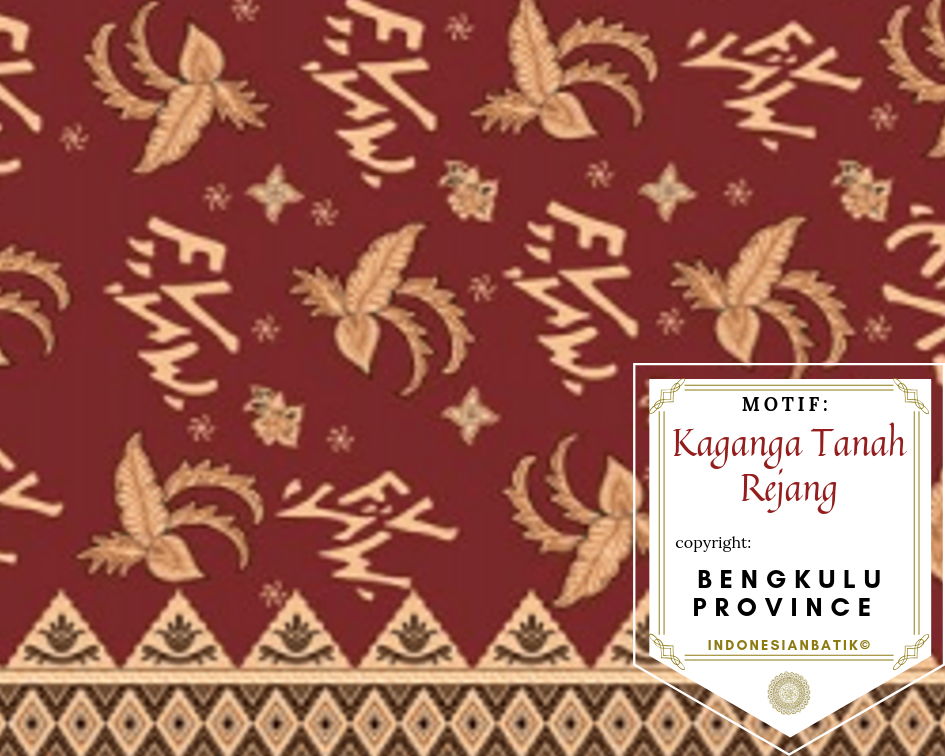
In Regang Lebong, Indonesia, women are harnessing the potential of batik as an economic opportunity within the growing creative industry rooted in local culture. This sector not only enhances cultural identity but also opens new avenues for economic participation.
The batik industry is one of the sectors that has witnessed significant growth, no longer confined to specific areas but spreading across various regions while maintaining the characteristics and cultural identity of each area. In Bengkulu Province, batik is part of efforts to preserve culture and promote local identity through the development of unique local patterns.
Event Details
The province of Regang Lebong is distinguished by the development of batik based on Kaganga letters, traditional characters that belong to the Regang community. These letters are not just a historical means of communication but have become a symbol of the cultural identity preserved by local communities. Kaganga is used in various cultural contexts, reflecting the richness of local heritage.
Historically, Kaganga is considered one of the oldest scripts used in South Sumatra, and despite technological advancements, its use continues among the elderly, ensuring the continuity of this cultural heritage.
Background & Context
The use of Kaganga letters has been documented in several studies since the Dutch colonial period and beyond independence. Researchers such as William Marsden in his book The History of Sumatra (1785) and Van Hasselt in Medan Sumatra (1881) documented these letters. In 1964, M.A. Jaspan renamed the letters from Ulo letters to Kaganga letters, reflecting the importance of this cultural heritage.
Efforts to preserve Kaganga letters are part of the cultural identity that local communities strive to enhance, as they are used in traditional writings by tribes such as Regang, Serawai, Limbak, and Basimeh.
Impact & Consequences
The development of the batik industry in Regang Lebong not only enhances cultural identity but also contributes to strengthening the local economy. By opening new fields for women in the workforce, they can contribute to improving their families' living standards. Additionally, this industry helps create new job opportunities and fosters a spirit of cooperation among community members.
These initiatives serve as a model for how to utilize cultural heritage as a means of achieving economic development. By promoting women's participation in this industry, the community can benefit from women's skills and creativity.
Regional Significance
The experience of Regang Lebong can be seen as a model for the Arab world, where Arab countries can benefit from their rich cultural heritage to enhance creative industries. Strengthening the role of women in these industries can contribute to achieving sustainable development and enhancing cultural identity.
In many Arab countries, there is a rich cultural heritage that can be leveraged to develop similar creative industries, thereby enhancing job opportunities and contributing to strengthening the local economy.