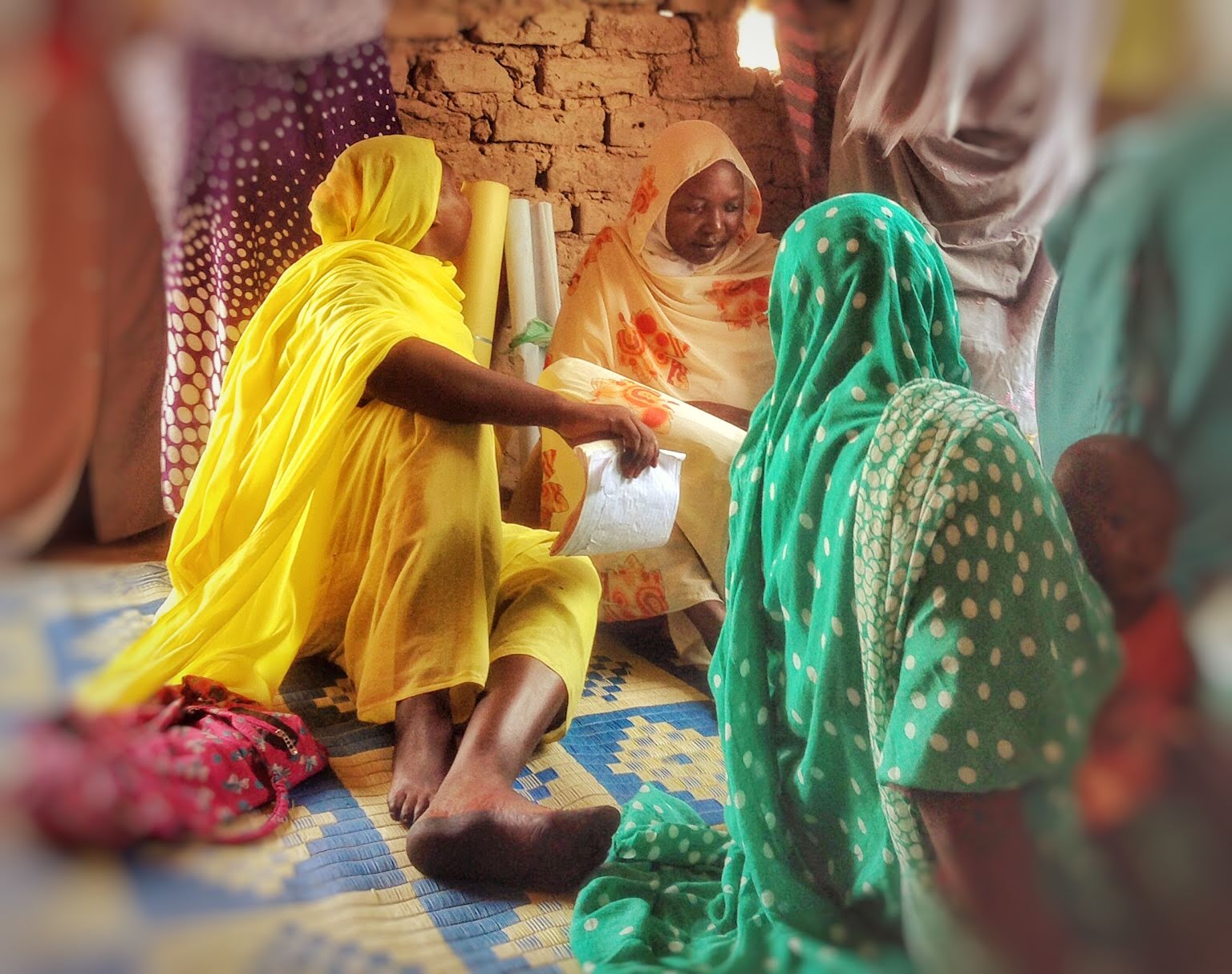
The Republic of South Sudan is striving to enhance the aspirations of women working in security and military sectors through an ambitious educational program aimed at breaking the chains of illiteracy that impede their professional progress and prevent them from reaching leadership positions.
This program is funded by the United Nations Peacebuilding Fund and spans three years, focusing on teaching English literacy and computer training, with the participation of approximately 800 women from the police, army, forest guards, and civil defense.
Event Details
In a report by the French newspaper La Croix, correspondent Augustin Pasley noted that this program comes at a critical time when the country faces the specter of a return to civil war. Educating women is considered a strategic tool for achieving equality and contributing to community stability while preventing armed conflicts.
Statistics show that literacy rates in the world's newest country reach record levels, with the percentage of literate adults not exceeding 34%, and this figure drops to only 29% among women, making their rise in military leadership structures nearly impossible.
Background & Context
Women in South Sudan face significant challenges, as Major Mary Nyayok expresses the reality of her colleagues by saying, "How can I become an officer if I cannot read or write?" Nyayok, who wears her military insignia and dreams of obtaining a university degree, hopes to be a role model to prove that age is not a barrier to learning.
Angelina Teny, the wife of Vice President Riek Machar, is a rare example of women in leadership positions, having held the posts of Minister of Defense and Minister of Interior, demonstrating that there is potential for changing the current situation.
Impact & Consequences
Recruit Jocelyn Onsemo, who works at a police clinic, points out that the absence of women in decision-making centers may be one reason for the continuation of authoritarian conflicts. She adds that women, due to their roles in childcare, are more inclined to avoid wars that take lives.
Women also face economic challenges, as many employees have not received their salaries for months due to the worsening security and economic crisis. Onsemo believes that education will be a "lifeline" that enables her to seek better job opportunities if the situation in the public sector continues to deteriorate.
Regional Significance
This initiative is an important step towards enhancing the role of women in society, as it can contribute to improving mechanisms for addressing gender-based violence issues, which typically increase in armed conflict conditions. Empowering women in South Sudan could serve as a model for other countries experiencing similar conflicts.
In conclusion, this program highlights the importance of education as a means to achieve peace and stability and underscores the urgent need to support women in all fields, especially in countries suffering from conflicts.