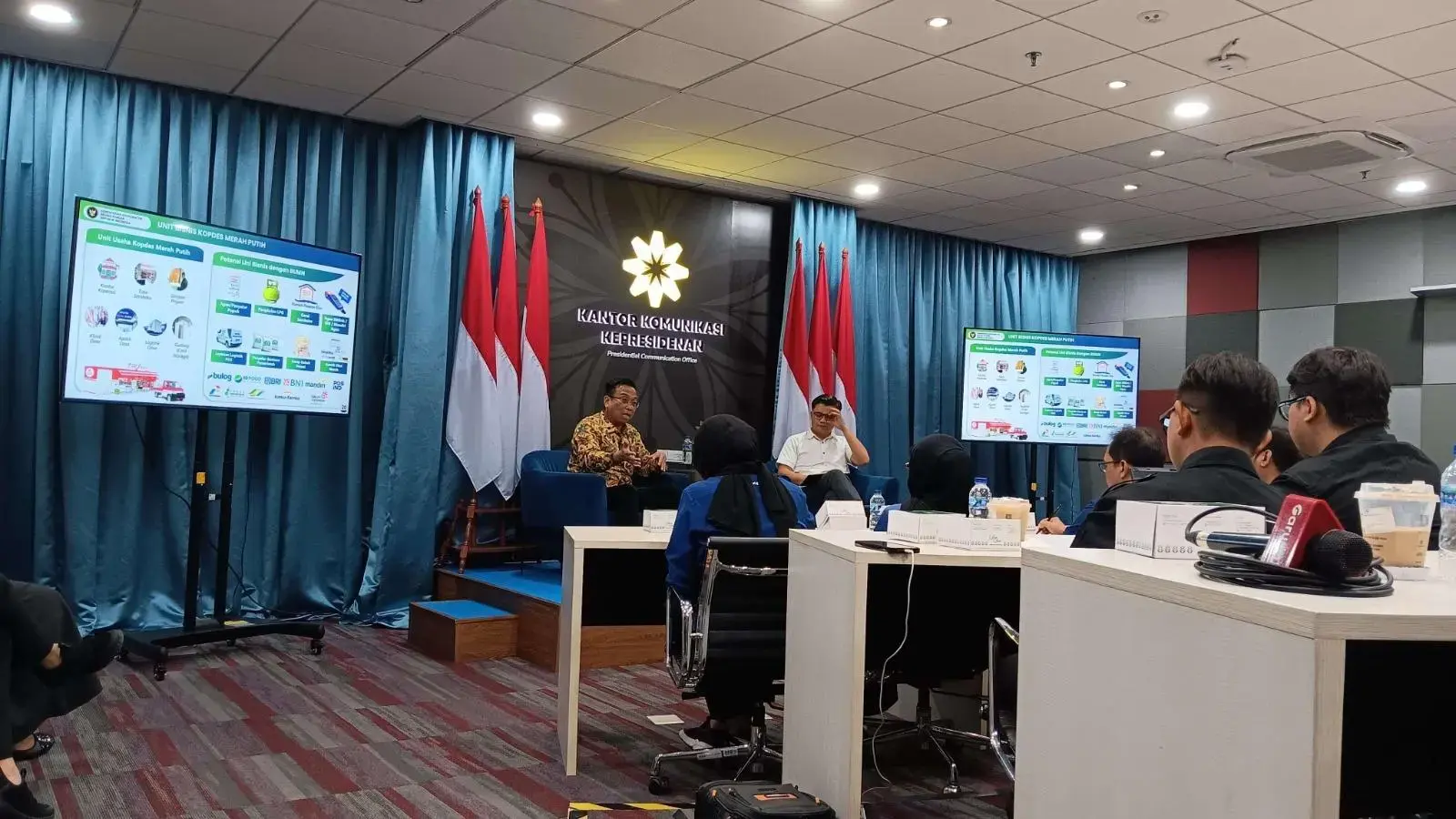
Pema Yudhistira, the director of the Economic and Legal Studies Center in Indonesia, has called on the Merah Putih cooperatives (KDMP) to prioritize the aggregation of products instead of competing with small and medium enterprises in the villages. This statement was made during his remarks to Antara News Agency in Jakarta, where he emphasized the crucial role these cooperatives play in supporting the local economy.
Yudhistira pointed out that there is potential for overlap between the activities of cooperatives and small businesses, which could lead to unhealthy competition. He explained that cooperatives should function as platforms for aggregating products from small enterprises, facilitating their sale in broader markets.
Event Details
In his address, Yudhistira stressed that cooperatives should focus on adding value to products through packaging processes, which helps improve product quality and increases marketing opportunities. He also highlighted the importance of expanding market access, where cooperatives can play a vital role in connecting local producers with buyers in other regions.
He emphasized the necessity of designing the cooperative business model to go beyond mere sales, incorporating the development of local producers' capabilities. This requires investments in training and technical support to ensure the success of small enterprises.
Background & Context
These statements come at a time when the Indonesian government is seeking to enhance the role of cooperatives in supporting the local economy. The government plans to establish approximately 80,000 units of Merah Putih cooperatives across the country, with a goal of building 20,000 to 30,000 units by June 2026 as a first phase.
Cooperatives are considered a fundamental part of the Indonesian economy, playing an important role in providing job opportunities and promoting economic development in rural areas. However, the success of these cooperatives depends on how they are managed and directed effectively.
Impact & Consequences
If the recommendations are implemented effectively, it could enhance the ability of small and medium enterprises to compete in the market. This could also contribute to improving the economic situation of many families in rural areas, thereby enhancing social and economic stability.
However, there are potential risks related to the management of financing and resources. Yudhistira warned that poor management could lead to project failures, negatively impacting the local economy and increasing pressures on the financial system.
Regional Significance
Indonesia's experience in enhancing the role of cooperatives serves as a model that many Arab countries can benefit from as they seek to support the local economy and promote small enterprises. Arab nations could leverage this experience to develop similar models to bolster their local economies.
Ultimately, enhancing the role of cooperatives in supporting the local economy requires good coordination between the government, the private sector, and civil society to ensure that the desired objectives are achieved.