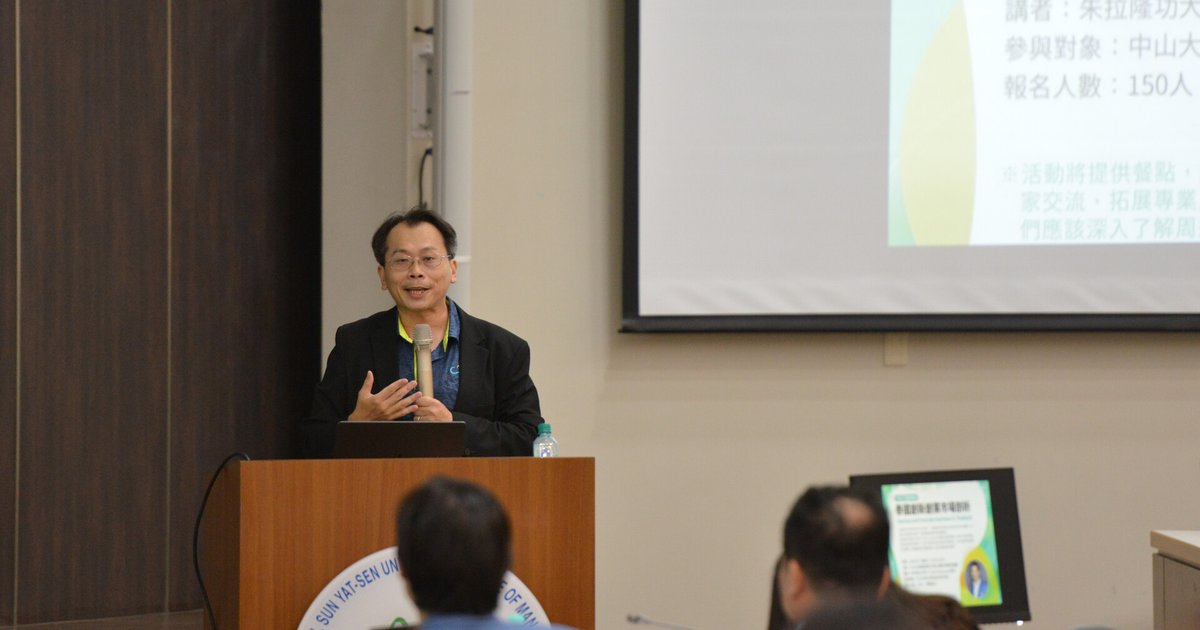
Indonesian Deputy Minister of Higher Education and Science and Technology, Fawzan, emphasized the necessity for students to adopt a global mindset to enhance their ability to compete in the international job market. This appeal was made during a special event aimed at strengthening career development centers in the capital, Jakarta, where he highlighted the importance of Indonesian graduates being able to compete with foreign labor.
Fawzan confirmed that many high-tech jobs in Indonesia and around the world are dominated by workers from other countries, such as India, due to their expansionist spirit and self-confidence necessary for success in global markets. He pointed out that local culture may hinder some Indonesian students from seeking job opportunities abroad, as leaving their families is perceived as a threat to family stability.
Event Details
During his speech, Fawzan stressed that students should not merely be spectators in the age of globalization, but must become active participants in this context. He explained that universities should play a larger role than just graduating students; they must also contribute to developing their career paths on an international level.
Fawzan also called on universities to become centers for services related to overseas employment, which would help change the prevailing culture that views working abroad as a respectable achievement. He noted that this transformation requires a shift in mindset, which is not easy but essential.
Background & Context
Historically, Indonesia has undergone a significant transformation in its higher education system, focusing on developing the skills necessary to meet the challenges of the job market. With the increasing reliance on technology, it has become essential for students to adopt a mindset that aligns with the demands of the modern era.
It is noteworthy that Fawzan referred to a previous successful experience in a nursing program between Indonesia and Japan, where students were able to learn a foreign language from the beginning of their studies, enabling them to find job opportunities abroad. This experience is considered a model to be emulated in enhancing the global competitiveness of Indonesian students.
Impact & Consequences
The rapid changes in the global job market require Indonesian students to be prepared to face new challenges. Enhancing language and technical skills can open new doors for them in international job markets. Additionally, boosting students' self-confidence and initiative can contribute to increasing their chances of securing prestigious jobs.
Moreover, working abroad can be seen as a means to improve the economic status of families, as students can support their families by remitting money from abroad. This can have a positive impact on the local economy.
Regional Significance
Indonesia's experience in enhancing the global competitiveness of students can serve as an important lesson for Arab countries. With the growing need for advanced skills in the job market, Arab universities should also adopt similar strategies to develop their students' skills and enhance their opportunities for international employment.
Strengthening cooperation between Arab countries and Indonesia in the fields of education and employment can contribute to improving job opportunities and knowledge exchange, benefiting all parties involved.