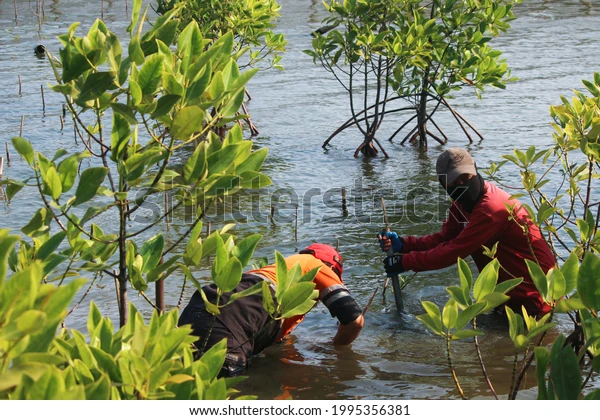
Indonesian Public Works Minister, Dodi Hangoduo, has urged the need to improve areas surrounding dams in Indonesia by implementing afforestation projects aimed at preserving the environment and ensuring the sustainability of dam operations. This statement came during his visit to the Karanganyar region in Central Java, where he highlighted the importance of addressing sedimentation issues that negatively impact the efficiency of dams.
Hangoduo pointed out that neglecting the upper areas of dams could lead to increased sedimentation, which necessitates additional costs for cleaning operations. He explained that the available options are either to hire boats for sediment cleaning or to invest time and resources in tree planting, reflecting the importance of taking effective steps to protect the environment.
Event Details
During his address, the minister emphasized the necessity of cooperation between the central and local governments to tackle the sedimentation problem, indicating that this issue requires a coordinated and practical response. He clarified that sediment management should be conducted in an organized and comprehensive manner to ensure the desired results are achieved.
Hangoduo also stressed the importance of preserving areas that are considered water sources, emphasizing that development projects must take environmental needs into account. He confirmed that the Ministry of Public Works is committed to collaborating with relevant stakeholders in local governments to resolve sedimentation issues in dams.
Background & Context
Dams are vital infrastructure in Indonesia, playing a crucial role in providing water for agriculture, drinking, and energy generation. With increasing environmental challenges, it has become essential to improve the management of these dams to maintain their efficiency. Historically, Indonesia has witnessed numerous major dam projects, but it now faces challenges related to sedimentation and climate change.
These challenges require new strategies that include reforestation and environmental conservation. Studies have shown that planting trees in areas surrounding dams can significantly reduce sedimentation and enhance water quality.
Impact & Consequences
Improving the areas surrounding dams through afforestation can lead to significant environmental and economic benefits. In addition to reducing sedimentation, these projects can contribute to enhancing biodiversity and improving air and water quality. Furthermore, these efforts may help raise environmental awareness among local communities, leading to greater participation in environmental protection.
Moreover, cooperation between the central and local governments can enhance the effectiveness of these projects, as knowledge and expertise can be exchanged among various stakeholders. This could lead to improved overall water resource management, positively impacting sustainable development in the country.
Regional Significance
Although this news pertains to Indonesia, environmental issues and water resource management are common challenges faced by many Arab countries. With increasing pressures on water resources due to climate change and population growth, it becomes essential to adopt similar strategies to improve water management and environmental conservation.
Arab countries can benefit from Indonesia's experience in promoting afforestation and improving the surroundings of major projects, contributing to sustainable development and ensuring the sustainability of water resources.