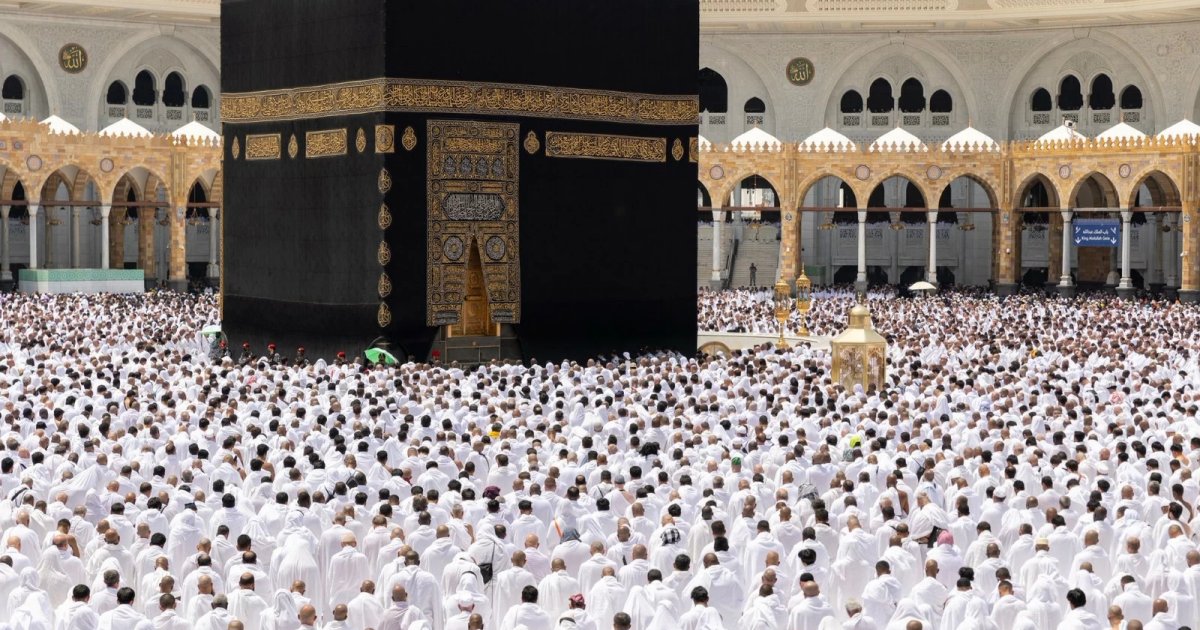
Sheikh Dr. Faisal bin Jamil Ghazawi, the Imam of the Grand Mosque, urged Muslims to fear God, emphasizing the importance of distinguishing between truth and falsehood in the life of a believer. This message was delivered during his Friday sermon today, where he discussed the dangers of heart deviation and the necessity of adhering to faith.
Sheikh Ghazawi affirmed that those who fear God will be granted the ability to discern between truth and falsehood, and will be provided with what they desire in goodness. He pointed out that one of the gravest trials a person can face is the deviation of the heart, which renders them unable to distinguish between matters, leading them to perceive the ugly as beautiful, the beautiful as ugly, falsehood as truth, and truth as falsehood.
Details of the Sermon
In his sermon, Sheikh Ghazawi referenced numerous examples from the Holy Quran of those who were seduced by Satan and fell into his traps, where he adorned for them misguidance and made evil and deviation appear appealing. He recounted the story of Adam and his wife, highlighting how Satan whispered to them to eat from the forbidden tree, resulting in their disobedience to their Lord's command.
He further explained that the adornment that Satan employs to tempt humans is divided into two types: the beautification of the ugly and the uglification of the beautiful. He provided an example of the beautification of the ugly through the verse: "And thus have the partners of many polytheists made pleasing to them the killing of their children, in order to bring about their destruction and confuse them in their religion," indicating that this act is exceedingly repugnant.
Context and Background
This sermon comes at a time when Muslims need to be reminded of the importance of adhering to faith and truth, especially in light of the challenges facing Islamic communities. The sermon reflects the urgent need to guide Muslims towards commitment to the teachings of their religion and to steer clear of the trials that may mislead them.
Sheikh Ghazawi also pointed out that one of the most significant consequences of the beautification of evil deeds is that a person may prefer falsehood over truth and choose misguidance over guidance, leading to their deviation from the straight path.
Impact and Consequences
Sheikh Ghazawi's words underscore the necessity for Muslims to be aware and vigilant in facing the challenges that may confront them. Sound thinking and the ability to distinguish between truth and falsehood are fundamental principles that Muslims should rely on in their daily lives.
Moreover, the emphasis on the importance of prayer and turning to God in difficult times reflects the spiritual connection that Muslims must maintain with their Lord, which enhances their faith and strengthens their resolve.
Significance for the Arab Region
This sermon serves as a call for Muslims across the Arab world to uphold their religious values, particularly in light of the current circumstances faced by some countries. The emphasis on fearing God and avoiding trials can contribute to strengthening unity among Muslims and fortifying their stance in facing challenges.
In conclusion, Sheikh Ghazawi's call for Muslims to fear God and uphold the truth represents a powerful message that reflects the importance of faith in the life of the individual and the community.