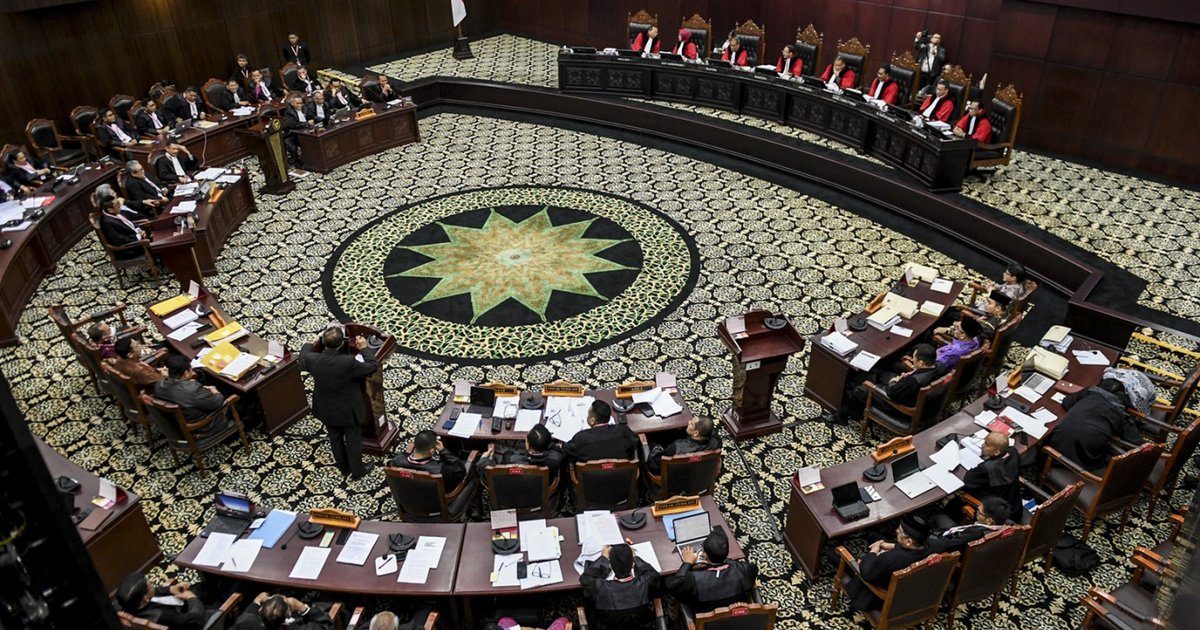
The Indonesian Judicial Commission (KY) has urged the public to actively participate in monitoring the justice process and the conduct of judges by opening channels for submitting complaints and feedback. This call was made during statements by Abhan, head of the judge monitoring and investigation department of the commission, in Palu, Central Sulawesi, where he emphasized the importance of community involvement in enhancing transparency and accountability in the judicial system.
Abhan mentioned that the commission has launched two pathways for submitting complaints: the first relates to potential violations of the code of conduct, and the second pertains to requests for monitoring court sessions. Citizens can submit their complaints through the commission's official channels, including the call center 187 or via email at [email protected], in addition to the commission's official website.
Event Details
Abhan clarified that the Judicial Commission aims to improve its response to citizens' complaints, noting that there have been reports that were not adequately addressed in previous periods. He affirmed that there are ongoing efforts to enhance internal processes, including expediting complaint handling to ensure that none are left unanswered.
The Judicial Commission is an independent body aimed at maintaining judicial integrity by proposing competent judges and enforcing codes of conduct. Abhan stressed that public participation in monitoring judges' behavior is essential, especially in cases that concern citizens' interests.
Background & Context
The Judicial Commission was established in Indonesia as part of the state's efforts to promote transparency and accountability in the judicial system. In recent years, Indonesia has witnessed a notable increase in judges' salaries, rising by as much as 280%, leading to heightened community expectations regarding judges' professionalism and integrity.
These steps come amid the Indonesian government's efforts to improve the judicial system, which has long faced criticism for a lack of transparency and corruption. By enhancing the role of the public in monitoring, the Judicial Commission hopes to restore trust in the judicial system.
Impact & Consequences
This initiative is a positive step towards enhancing transparency in the Indonesian judicial system. Engaging the public in monitoring judges' conduct can contribute to reducing corruption and increasing trust in justice. Furthermore, this move may lead to improved overall performance among judges, as they will face increased pressure to adhere to professional conduct standards.
Moreover, having official channels for submitting complaints can encourage citizens to report any misconduct, thereby enhancing the commission's ability to take necessary actions against any judge found guilty of violations.
Regional Significance
Indonesia's experience in promoting transparency and accountability in its judicial system serves as a model for many Arab countries. Some Arab nations face similar issues related to corruption and a lack of trust in the judicial system. Arab countries can benefit from this experience by enhancing community roles in monitoring judges' behavior and providing official channels for reporting violations.
In conclusion, the Indonesian Judicial Commission's call for public participation in monitoring the judiciary represents an important step towards enhancing transparency and accountability, which can contribute to improving the judicial system in the country and fostering trust between citizens and state institutions.