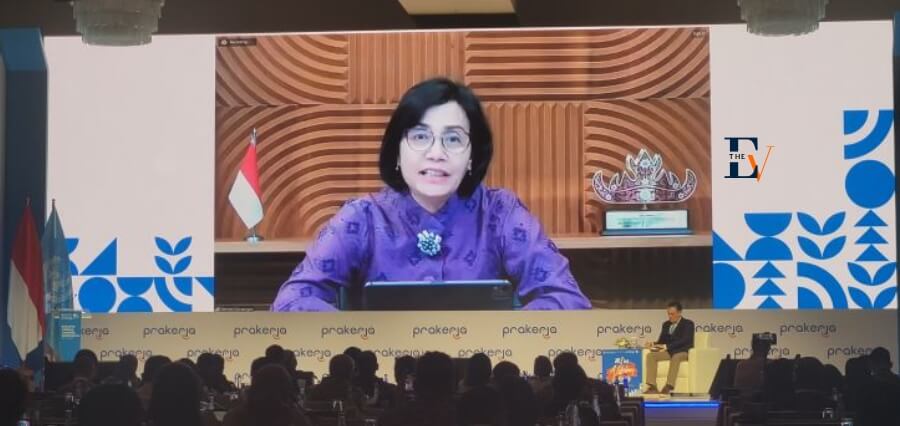
Indonesian Minister of Education, Abdul Matty, has called on students to take advantage of bicycles and walk to school, especially those living close to their educational institutions. This initiative is part of the Indonesian government's efforts to promote energy efficiency, launched by President Joko Widodo in light of global economic challenges.
Abdul Matty emphasized that returning to habits like cycling, which thrived during the COVID-19 pandemic, is a positive step that should be continued. He noted that this habit not only promotes public health but also contributes to environmental preservation and reduces energy consumption.
Event Details
The minister's remarks came during an event held at the Ministry of Education building in Jakarta, where he highlighted the need to encourage students to use sustainable transportation methods. He also urged schools to organize activities for recycling waste, contributing to turning waste into environmentally friendly energy sources.
Abdul Matty added that there is an urgent need to improve public transportation services, which would enable students to use public transport instead of relying on motorcycles, which have become the preferred choice for many students due to the lack of public transport options.
Background & Context
This call comes at a time when Indonesia and the world are facing an increasing energy crisis, resulting from political and economic tensions in the Middle East. The Secretary-General of the Presidency, Teddy Indra Wijaya, confirmed that President Joko Widodo has directed ministers to develop effective strategies to address these crises.
Historically, Indonesia has witnessed significant shifts in its educational and environmental policies, focusing on raising environmental awareness among youth as part of the government's vision for sustainable development.
Impact & Consequences
This initiative carries positive implications for public health and the environment, as it could lead to reduced carbon emissions and improved air quality in cities. Encouraging students to bike and walk promotes a healthy lifestyle and decreases reliance on fossil fuels.
However, the biggest challenge remains improving public transportation infrastructure, which requires substantial investments from local government. If these plans are effectively implemented, Indonesia could become a model for sustainable transportation.
Regional Significance
In light of the environmental and economic challenges facing Arab countries, this initiative could serve as an inspiration. Many Arab nations struggle with air quality and energy consumption issues. Similar policies could enhance environmental awareness and improve public health.
In conclusion, the Indonesian Education Minister's call is a significant step towards achieving sustainable development, highlighting the importance of collaboration between the government and the community to promote a healthy and environmentally friendly lifestyle.