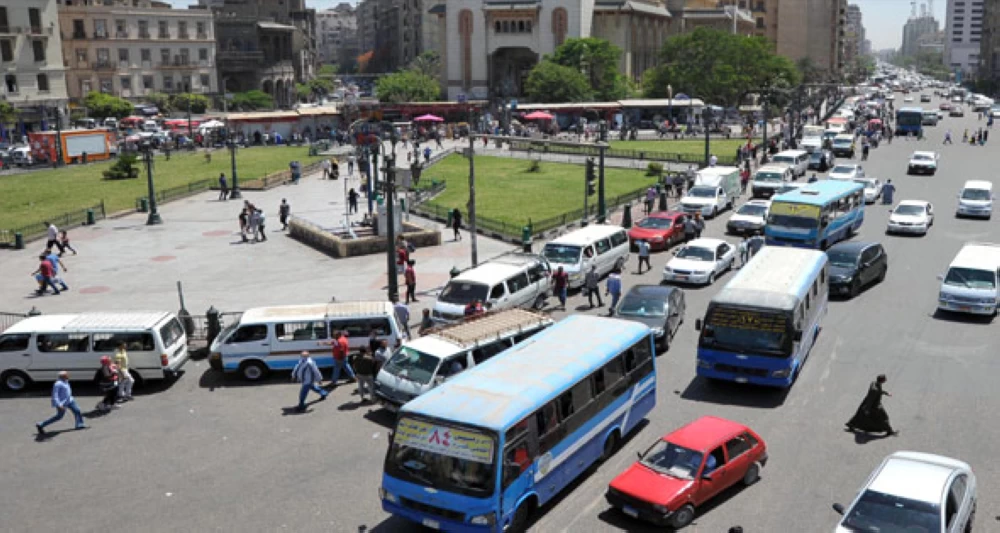
Egypt's Minister of Transport, Engineer Kamel al-Wazir, has called on citizens to transition towards using public transport options, such as mini buses, rather than relying on private cars. This appeal was made during an extensive meeting held with heads of the ministry's affiliated agencies and companies, attended by deputies and assistants to the minister, where the working mechanism was reviewed under the slogan of reducing expenses and maximizing revenues.
The meeting, part of the ministry's efforts to encourage citizens to use public transport, aims to decrease fuel consumption and alleviate financial burdens on citizens. The minister emphasized the importance of replacing buses with low occupancy rates, which are below 50%, with modern mini buses that provide the highest levels of service.
Details of the Meeting
During the meeting, the necessity of adhering to the Cabinet's decisions regarding rationalizing public spending and achieving optimal resource utilization was stressed. The minister directed the passenger transport companies affiliated with the ministry to improve the quality of service provided to citizens, contributing to enhancing the culture of using public transport.
Future plans for developing the public transport network in Egypt were also discussed, aligning with the requirements of population growth and increased traffic in major cities. The minister considered these steps part of a comprehensive strategy aimed at improving the quality of life in Egypt.
Background & Context
This call comes at a time when Egypt is facing multiple economic challenges, as officials seek to reduce public spending and enhance revenues. Public transport is considered one of the effective solutions to address these challenges, as it can help alleviate traffic congestion and reduce carbon emissions.
Over the years, Egypt has witnessed increasing efforts to develop public transport, including the introduction of new systems such as mini buses and high-speed trains. These efforts aim to improve service levels and make transport options more attractive to citizens.
Impact & Consequences
If the ministry succeeds in implementing these plans, it could lead to a reduced reliance on private cars, contributing to alleviating traffic congestion and improving air quality in cities. Additionally, using public transport can help reduce financial costs for families, thereby improving living standards.
Moreover, these steps could boost the national economy by lowering operating costs and increasing revenues from public transport. This transformation is part of a broader vision aimed at enhancing the transport infrastructure in Egypt.
Regional Significance
Egypt's experience in promoting public transport serves as a model that other Arab countries facing similar transport challenges can benefit from. With the growing population in Arab cities, developing effective and sustainable transport systems becomes essential.
These initiatives can inspire neighboring countries to adopt similar policies, contributing to improving the quality of life and reducing financial burdens on citizens. Furthermore, regional cooperation in the transport sector can enhance economic integration among Arab countries.
In conclusion, the Egyptian Minister of Transport's call represents an important step towards improving the transport system in the country and providing more efficient options for citizens. The success of this initiative depends on the commitment of all stakeholders to implement the outlined plans and achieve the desired objectives.